

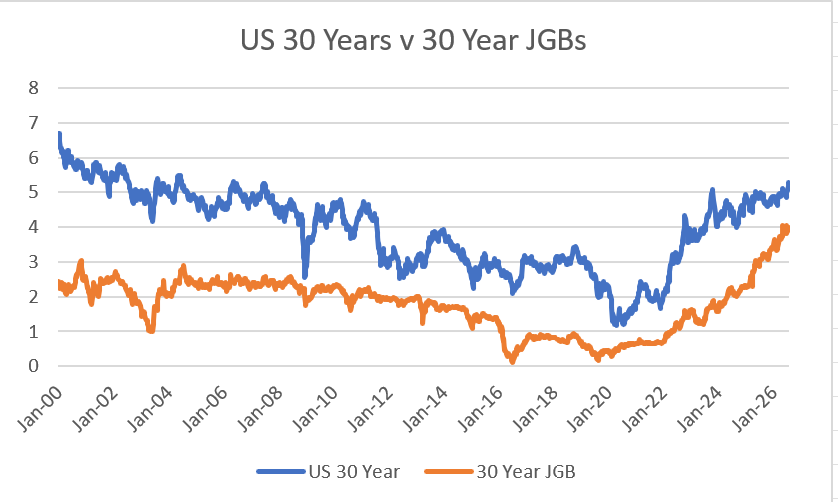
The thing about the US/Japan Yen intervention is that it is less about currencies and more about bond yields. Japanese bond yields have led US bond yields lower for more than half a century. And since 2020, they have been leading US bond yields higher.
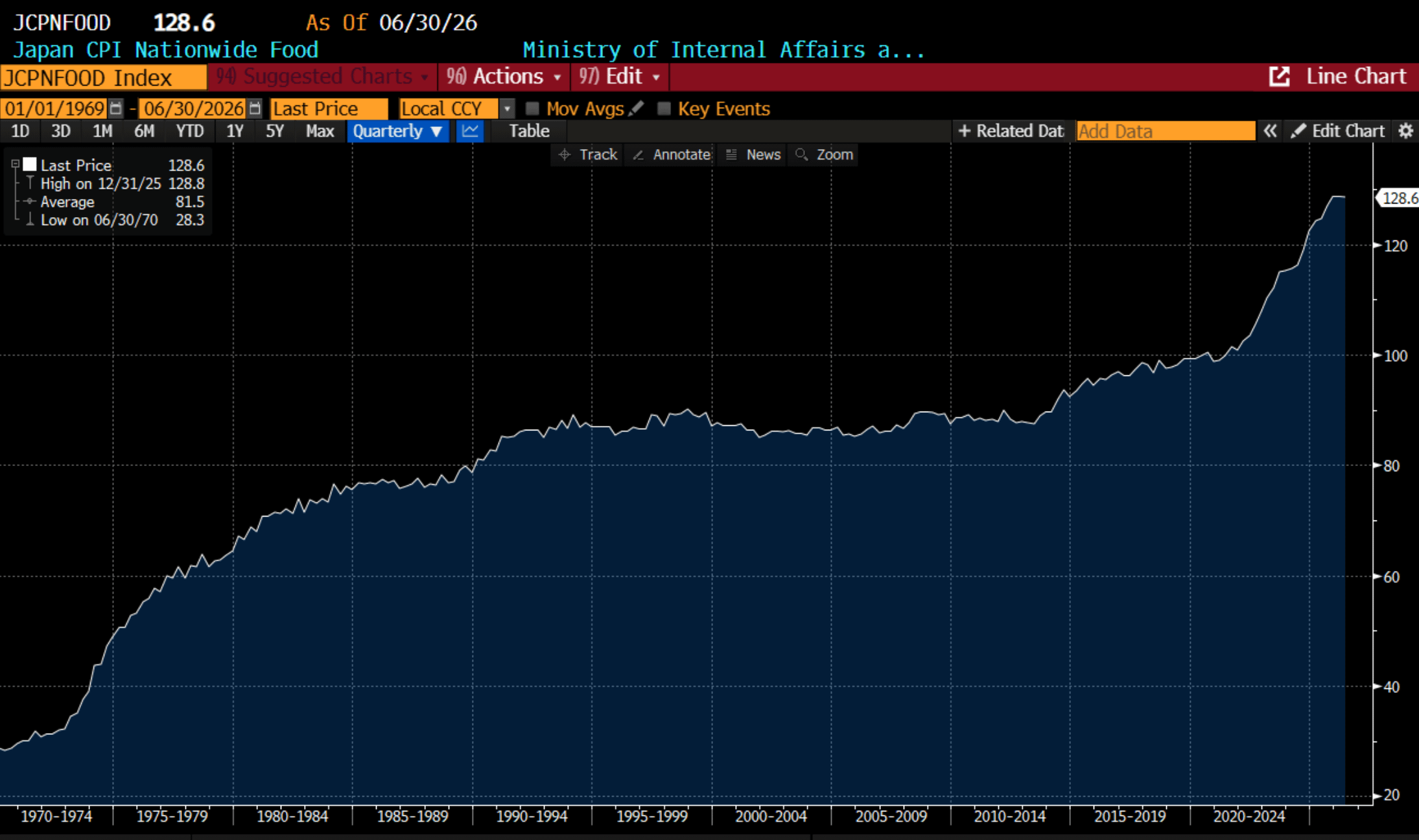
The sell off in the long end is basically saying that Japanese short rates remain too low, and should be higher if the BOJ is serious about curtailing inflation. You can see this most clearly in food inflation in Japan. Japan had no food inflation form 1990 to 2013 or so. I think in that period, low interest rates make total sense. But in a period of rising food inflation, loose monetary policy is a political and economic mistake.
The BOJ has not been TOTALLY negligent. Interest rates have risen from lows. But still remain at below 1%.
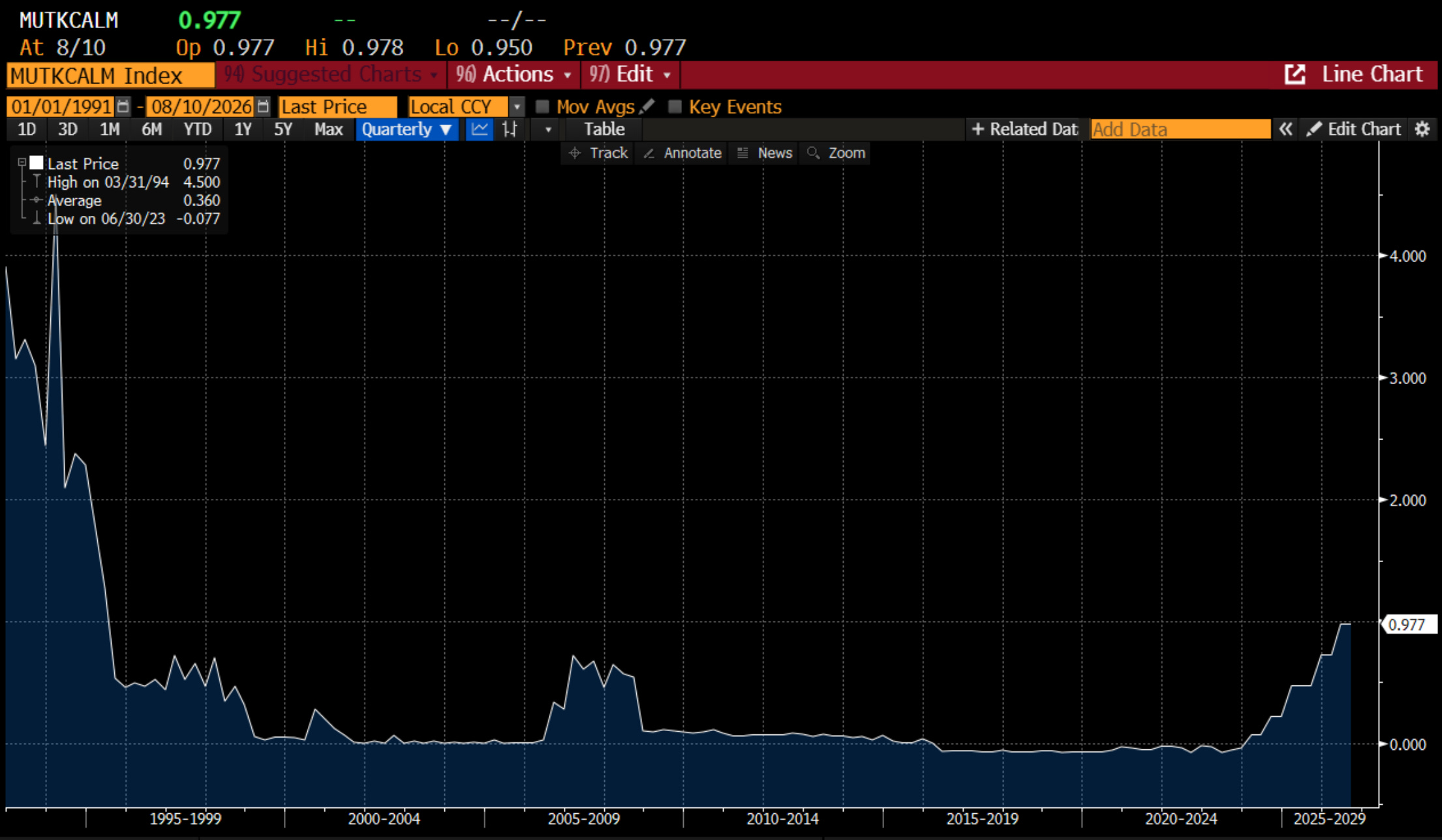
But plainly this is not enough to stop food inflation or Yen weakness. The obvious answer it to raise interest rates to slow down growth, or strengthen the Yen or both. The Japanese yield curve is a bit odd - it only really inverted in the late 80s, early 90s. Even then, getting back to 50bp spread seems a reasonable target. This would imply raising BOJ rates another 70bps.
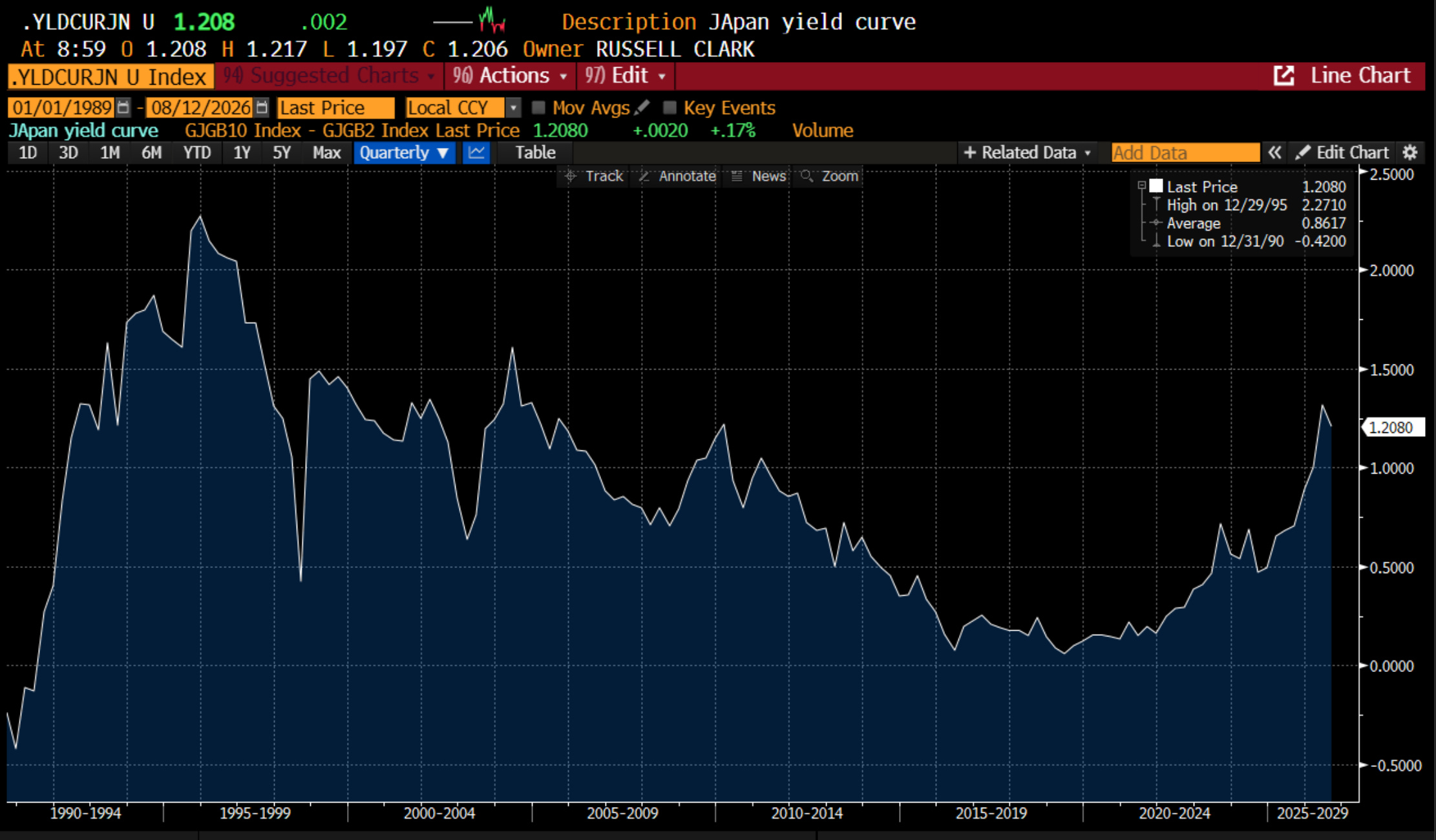
Plainly the US treasury and BOJ want to avoid that - hence the FX intervention. Yen appreciation would help deal with inflation - and particularly food inflation. Its not hard to understand why the US doesn’t want Japan to raise interest rates. The US treasury is already at the upper limits of Bill issuance. Having more competition for issuance at the short end would be a problem.
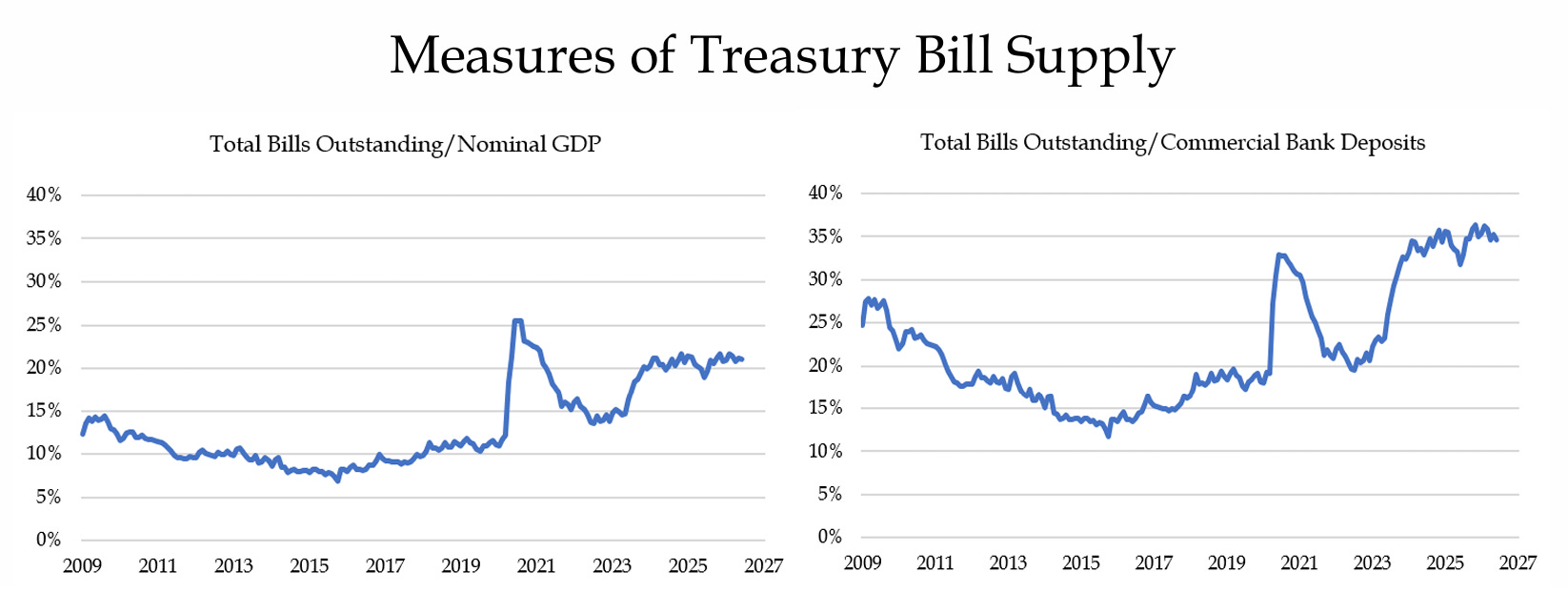
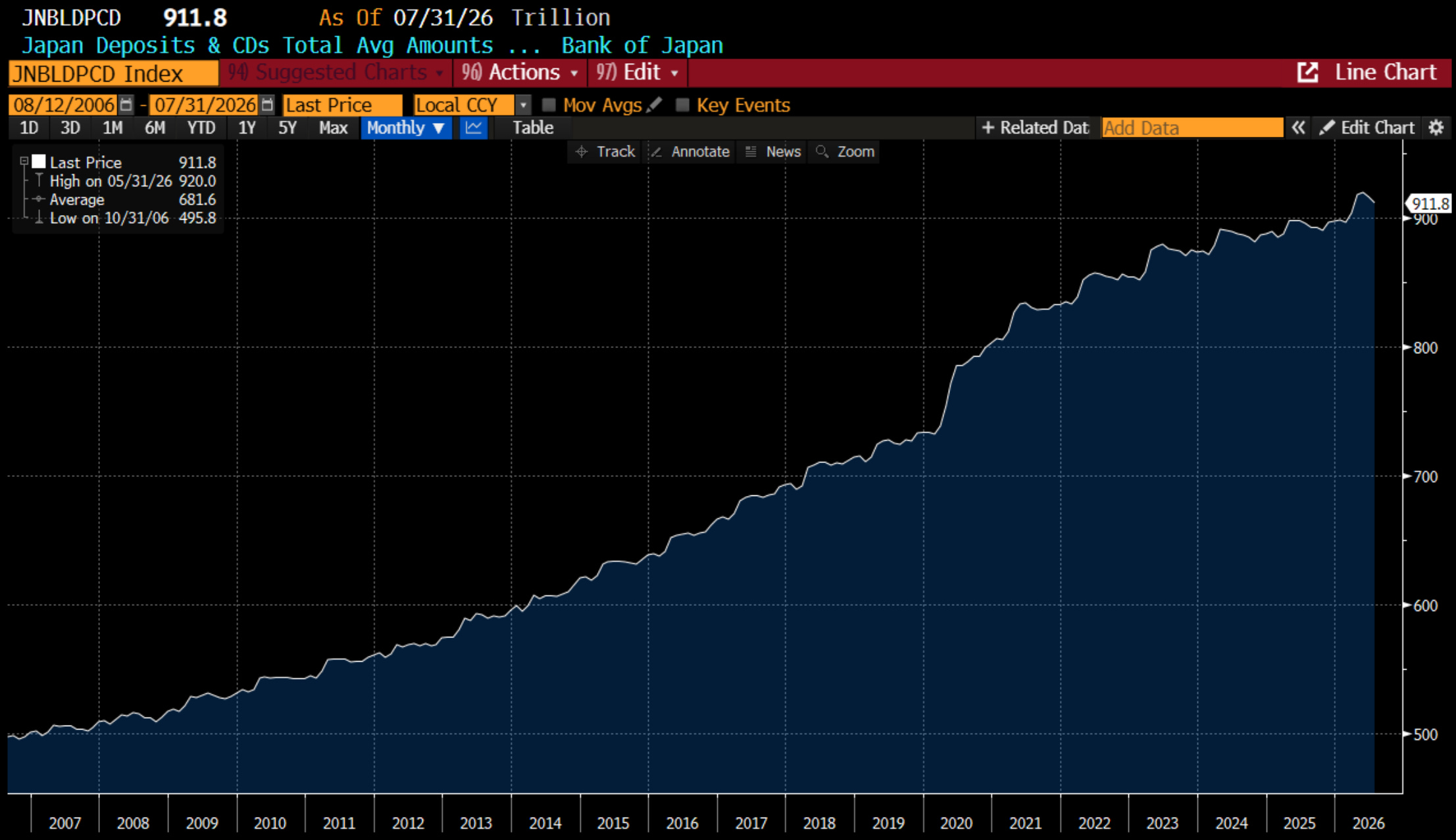
It is easy to see this is a a borrowing problem. US and Japanese governments are borrowing too much, and trying to keep interest rates down. I see it differently. The growth outlook for Japan is now so good, deposit flows are starting to slow.
While loan growth is accelerating.
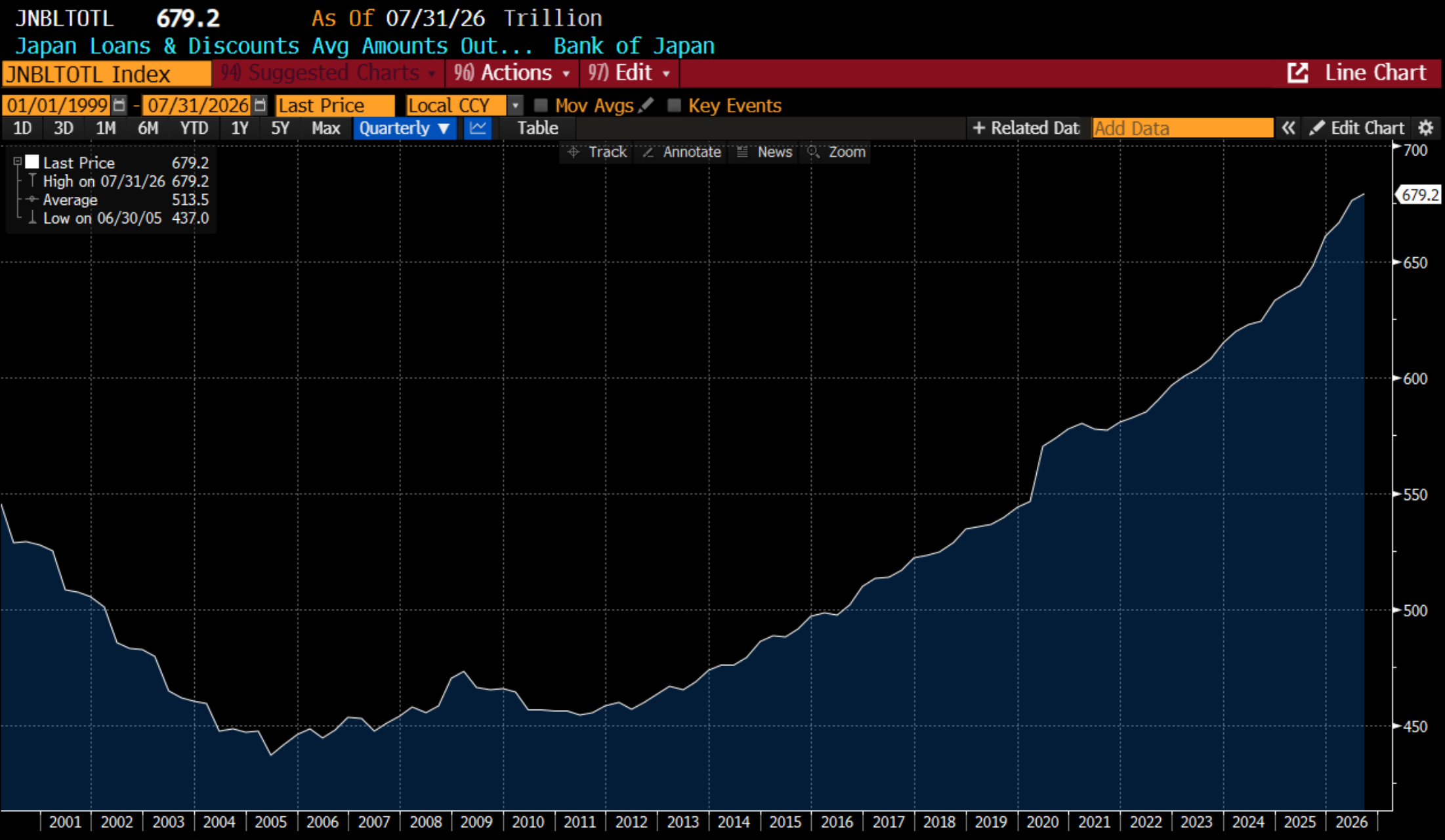
In essence, the pool of available money to invest in to JGBs is declining. And if there is less money for JGBs, then there must be less money for Japanese to buy Treasuries as well.
The Yen intervention could help with Japanese inflation, and maybe the BOJ would not need to raise rates. But the real problem is growth is so strong now, the pool of capital for governments to borrow from is shrinking. And Yen intervention will not help with that - only a recession. But that is not on the cards either. I think the greater risk is that Japanese start bringing money home to invest domestically. Then the Americans will really be in trouble. Then the Yen will surge and Treasuries will collapse - but that is a problem for another time.


