
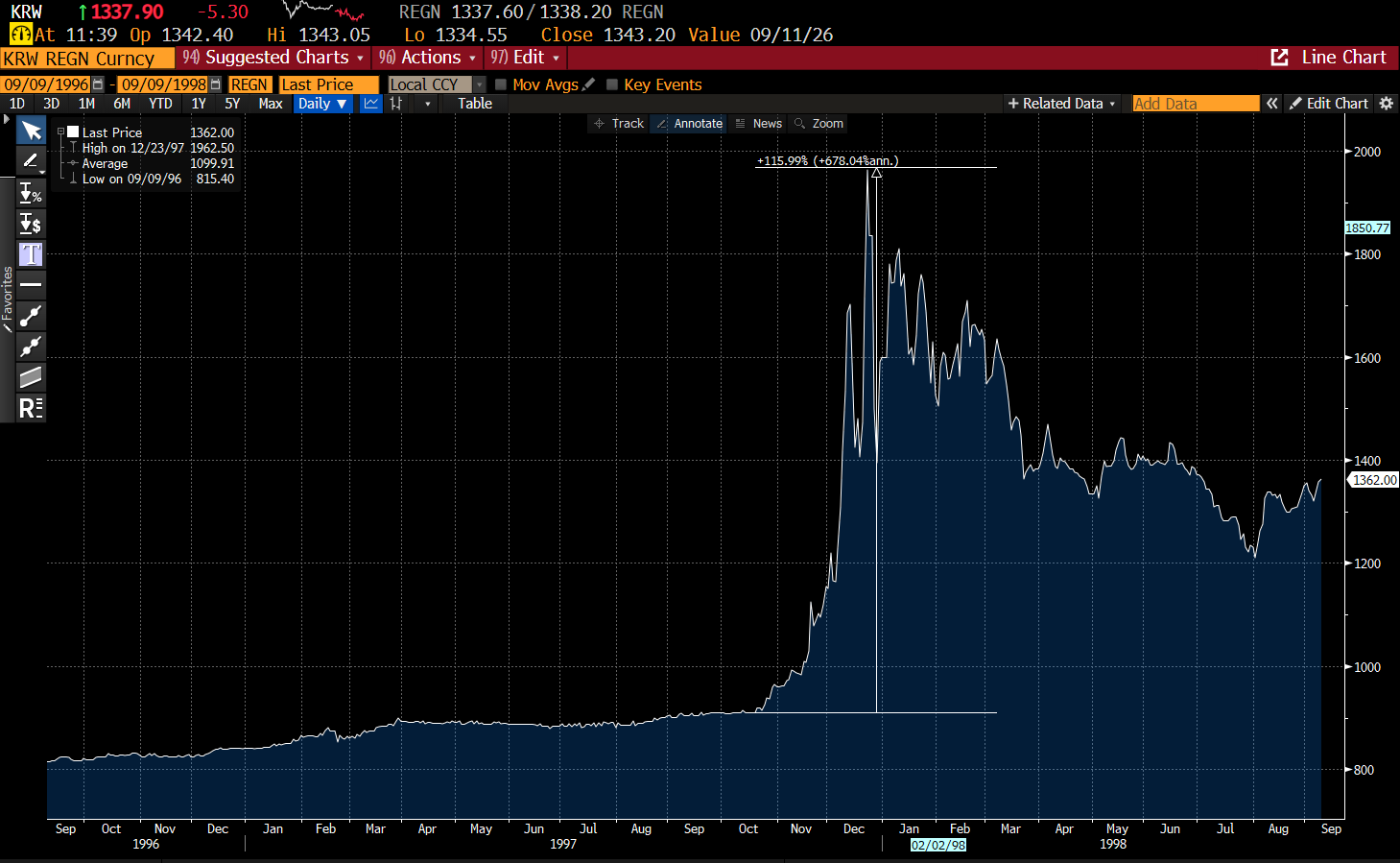
I decided to get in to finance in 1998, when living in HK. I was fascinated at how currencies, interest rates and equities were so tightly bound, and this fascination led me to a hedge fund career. You can read about it my book. In my experience, politicians often intervene in the value of their own currencies. Either to weaken it or strengthen it. Plaza Accord was a multinational accord to weaken the USD for example. And then you have currencies pegs, which governments promise to defend, but often find the cost prohibitive. Getting a break in a peg right can be incredibly lucrative. The move in the Korean Won in 1998 was huge.
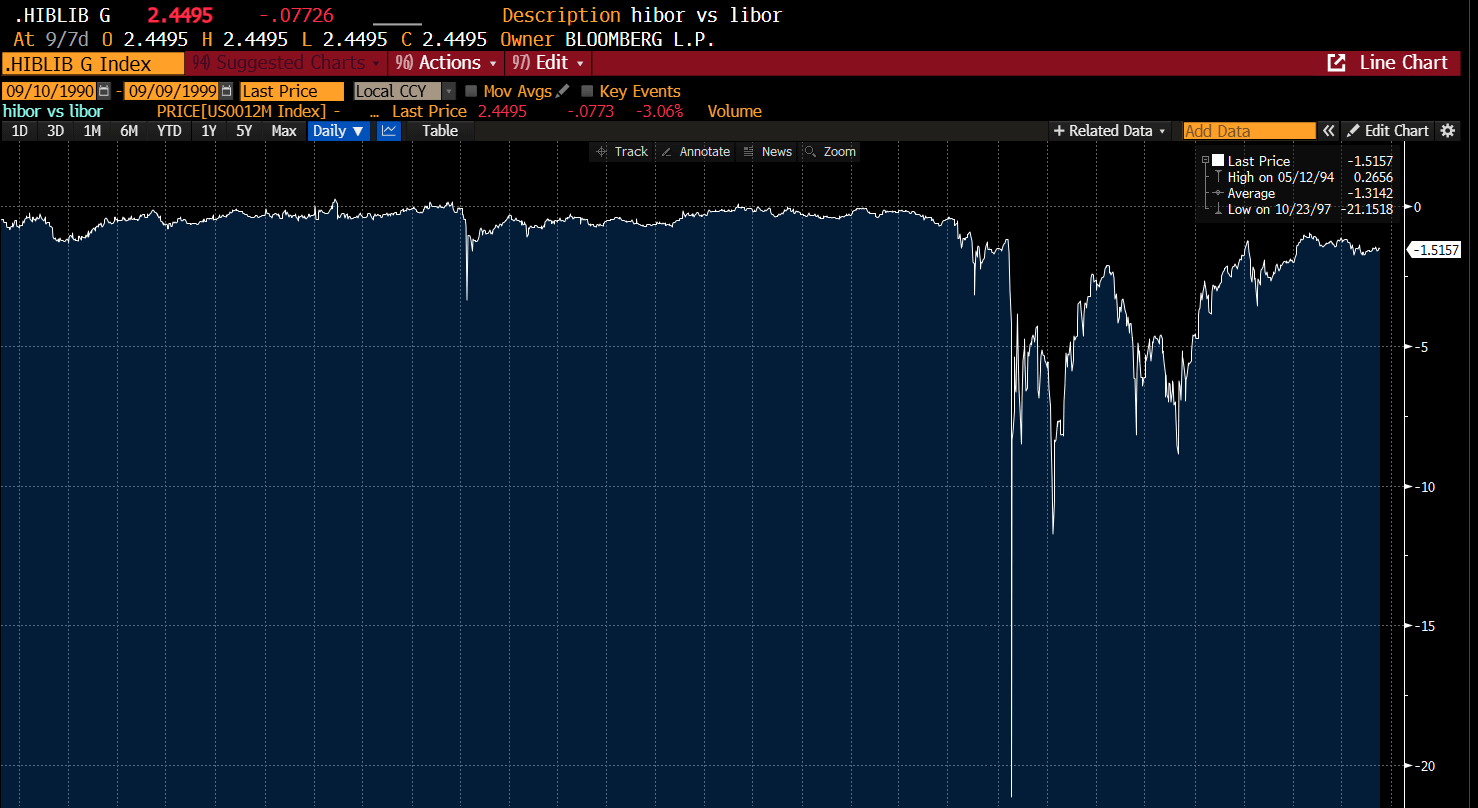
In HK, they were only able to defend the peg by offering much higher interest rates than in the US. At one point, HIBOR was 20% higher than Libor.
But to devalue or not to devalue was a domestic decision. What seems to have happened in Trump 2.0 is that other nations exchange rates have become a US policy choice. We first saw this in Argentina, where the Trump administration came into set an exchange rate of around 1400 to 1475 for the Argentinian peso. This was to help the administration of Milei in elections. Currently the exchange rate is beyond that level, but depreciation has slowed since the intervention.
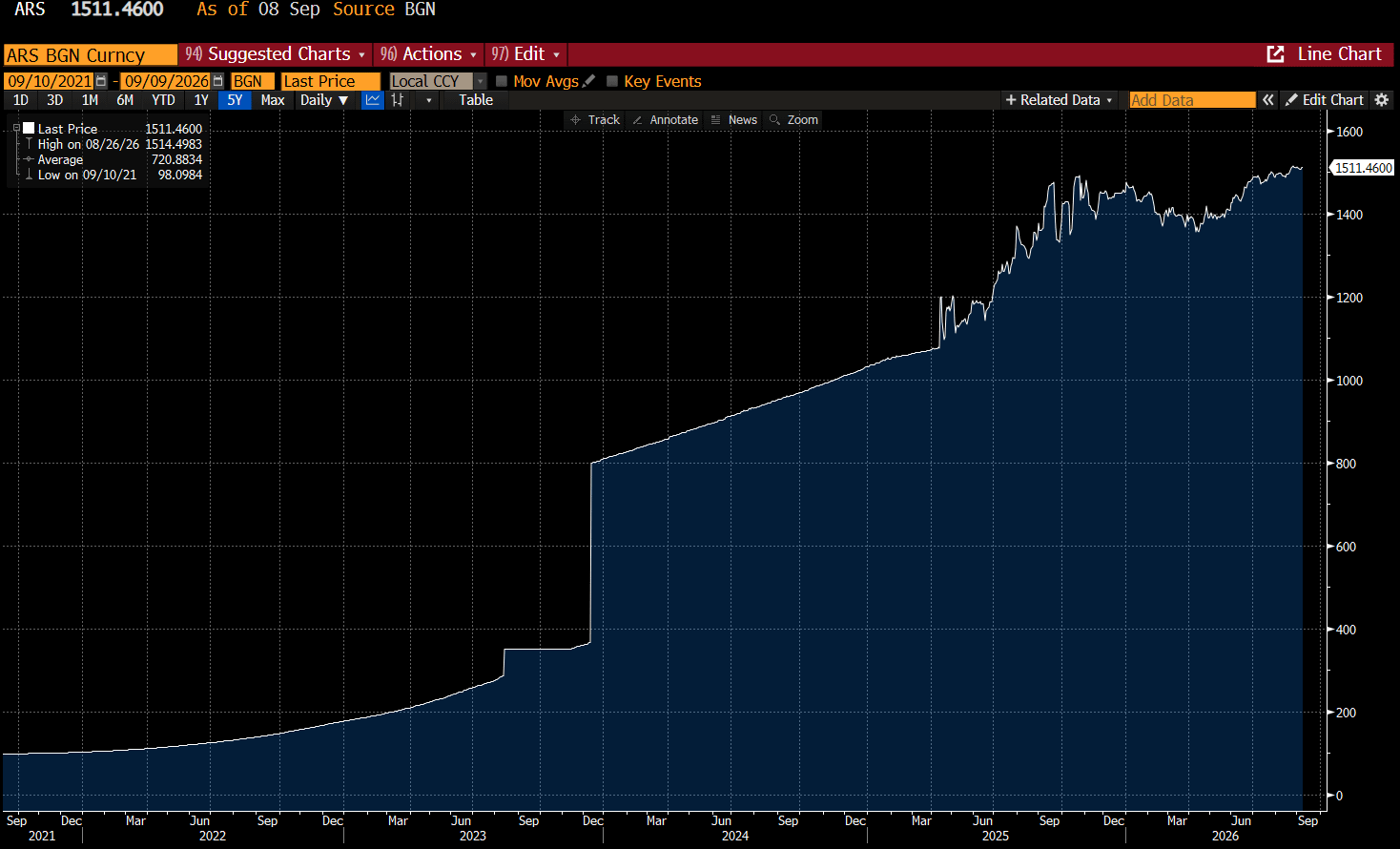
But borrowing costs have fallen in Argentina - so in many ways the intervention could be considered a success.
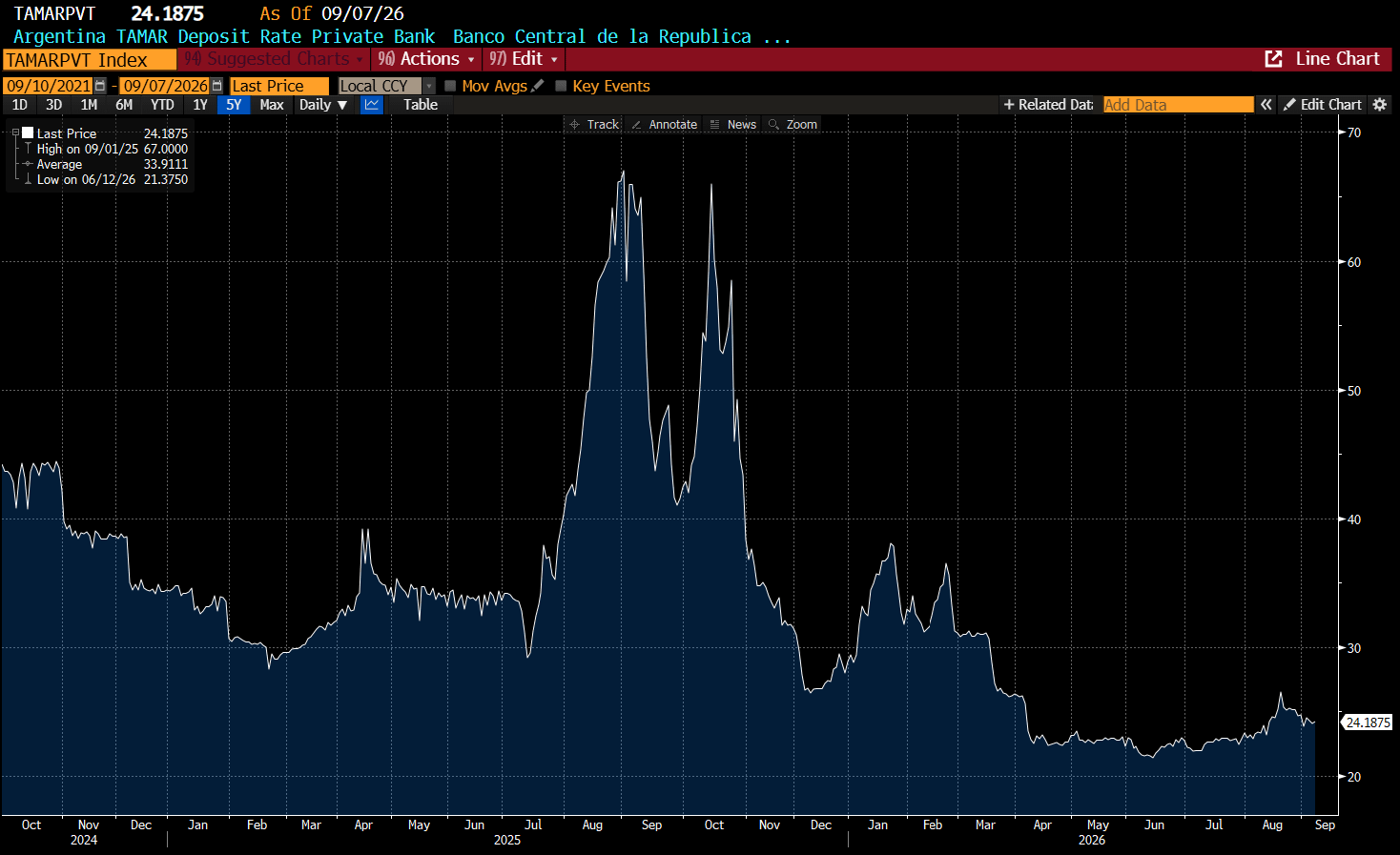
After the “success” in Argentina, the Trump administration now wants to strengthen the Yen.
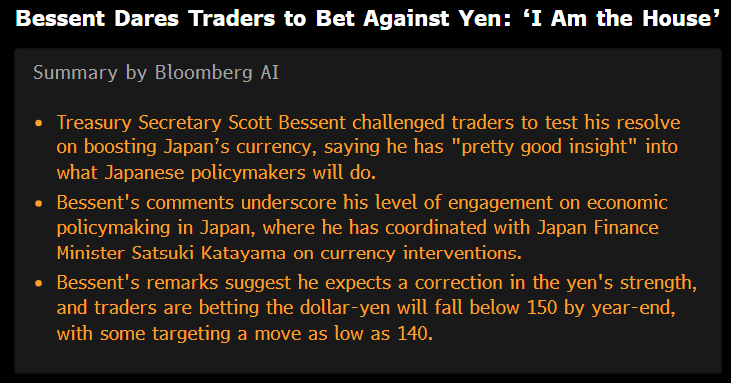
I find this gives me very mixed feelings.


