

My investment process is built around looking at how other investors have made mistakes from time to time, and then building a process to avoid that mistake, and if possible to profit it from it (which is big driver of my shorting process). In my first half of my career, I was heavily macro, as I found currencies were the main driver of investor mistakes. I did my best to quantify this process by formalising the use of NIIP and BIS cross country data. I think I was one of the first investors to do this. But during Covid and in 2021, I discovered that politics was a far more effective in predicting market moves. And a move to populist politics made me suggest GLD/TLT (long gold/short treasuries) was a good trade.
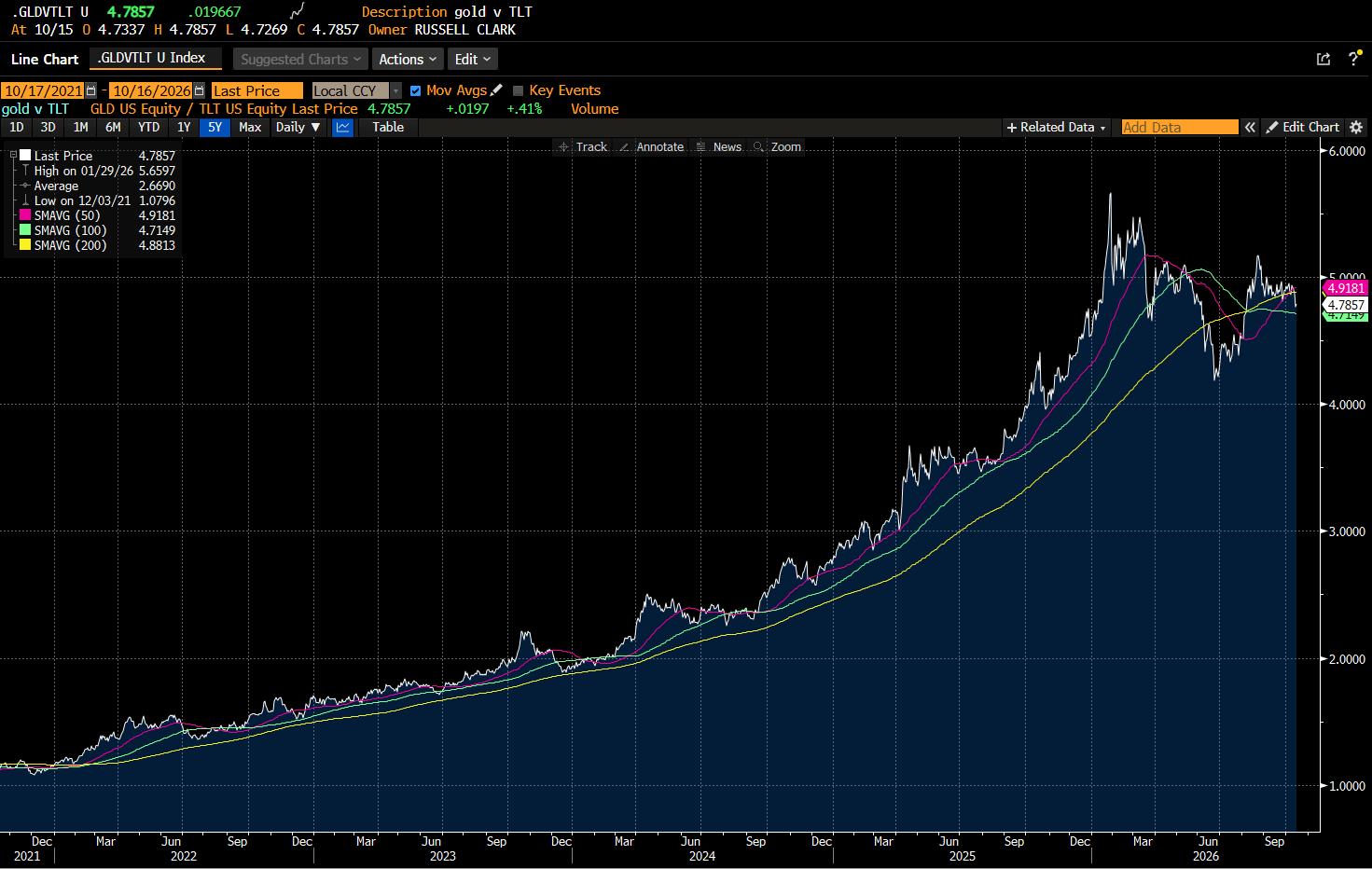
But when I was researching politics as a driver of markets, I learnt a very awkward fact. Politics can change 5 to 10 years BEFORE markets react. That is the gap between politics changing and markets reacting can be quite long (a lifetime in modern fund management). I will start with most recent examples and work backwards.
CHINESE TECH - 2021
The Chinese tech index, Hang Seng Tech index has been in a prolonged bear market since 2021. For most US investors, they may have been exposed to this via a BABA US or KWEB US long position.
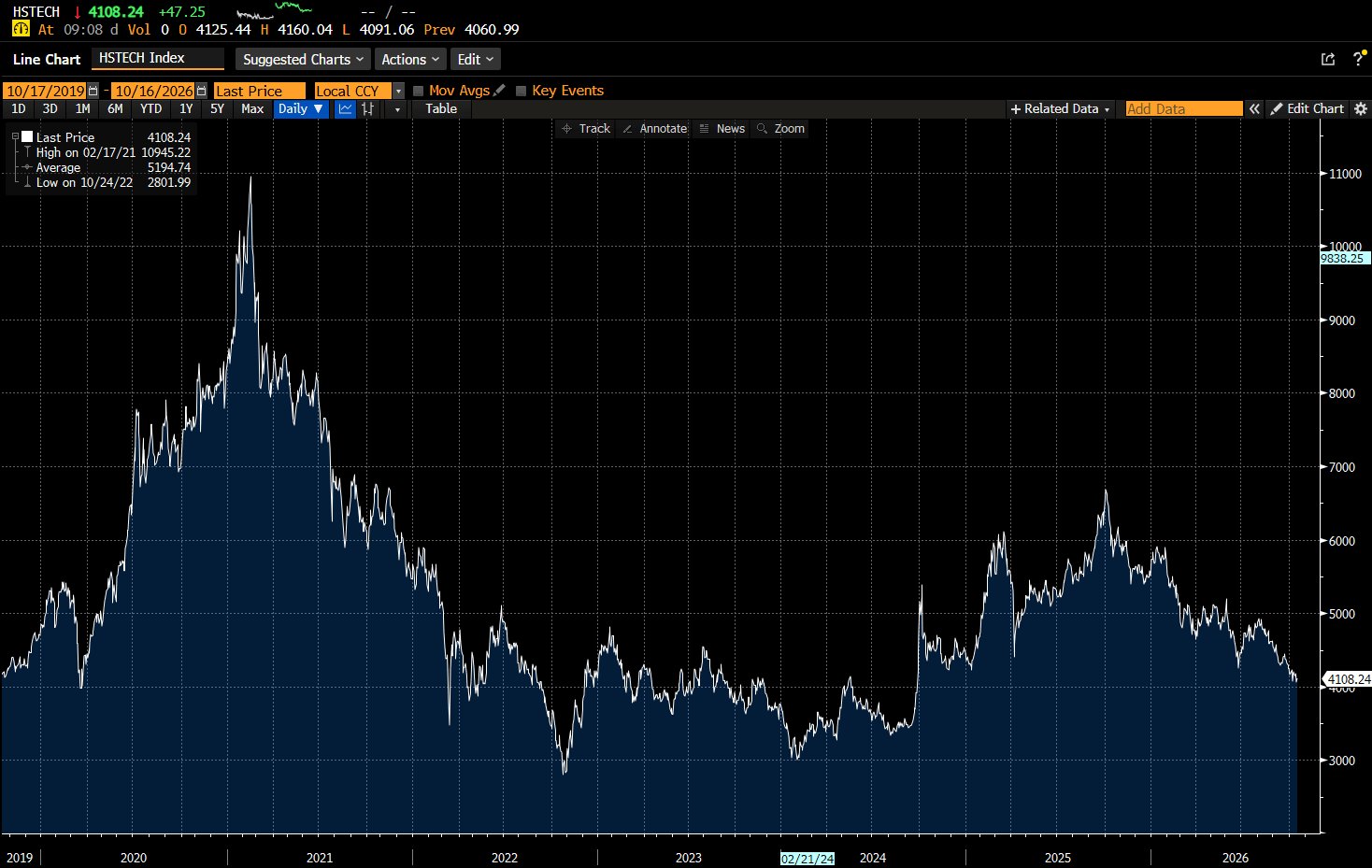
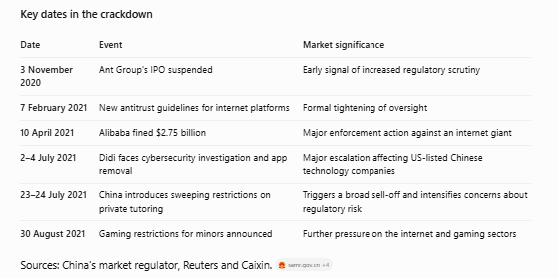
Chinese politics started to turn against its internet giants in 2019, initially limiting gaming time for children. But in November 2020, Chinese regulators cancelled the ANT financial IPO. Due to the raging bull market in tech, most investors ignored these salvos, and the tech index continued to rise. But there was a steady drip of new of regulatory backlash. In this case, the changing politics was becoming obvious in 2020, but the market rallied another 50% before finally cracking.
BREXIT/TRUMP - 2016
The Brexit referendum and the first Trump election win were clear signs of a political realignment in the West, a realignment that continues to this day. At its heart were traditional left wing voters being up for grabs through a combination of social conservativism and fiscal liberalism. When Trump was first elected, the bond markets recognised the inflationary nature of his politics, which saw yields sell off sharply, but going fully bearish Treasuries then would have crushed you come 2019/2020.
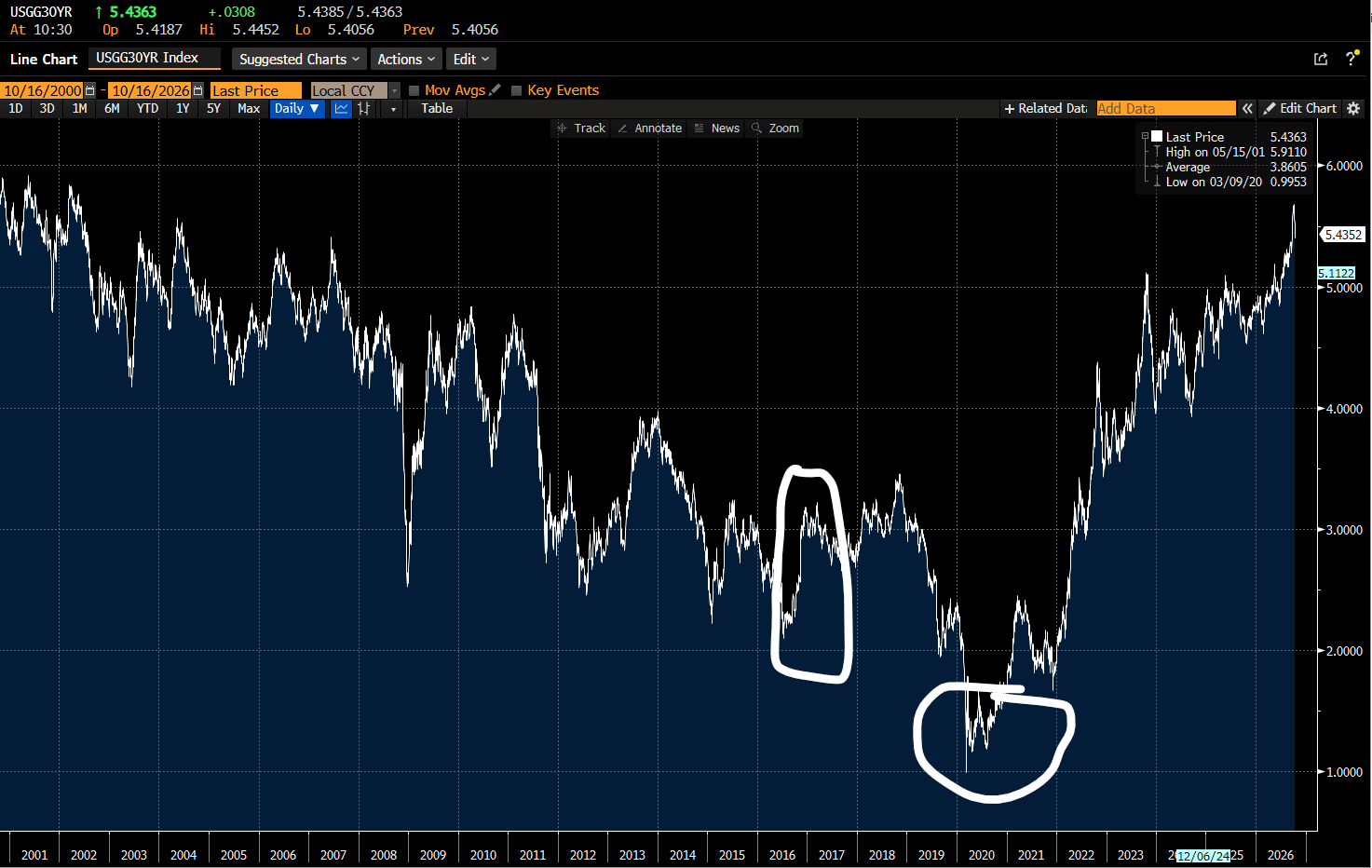
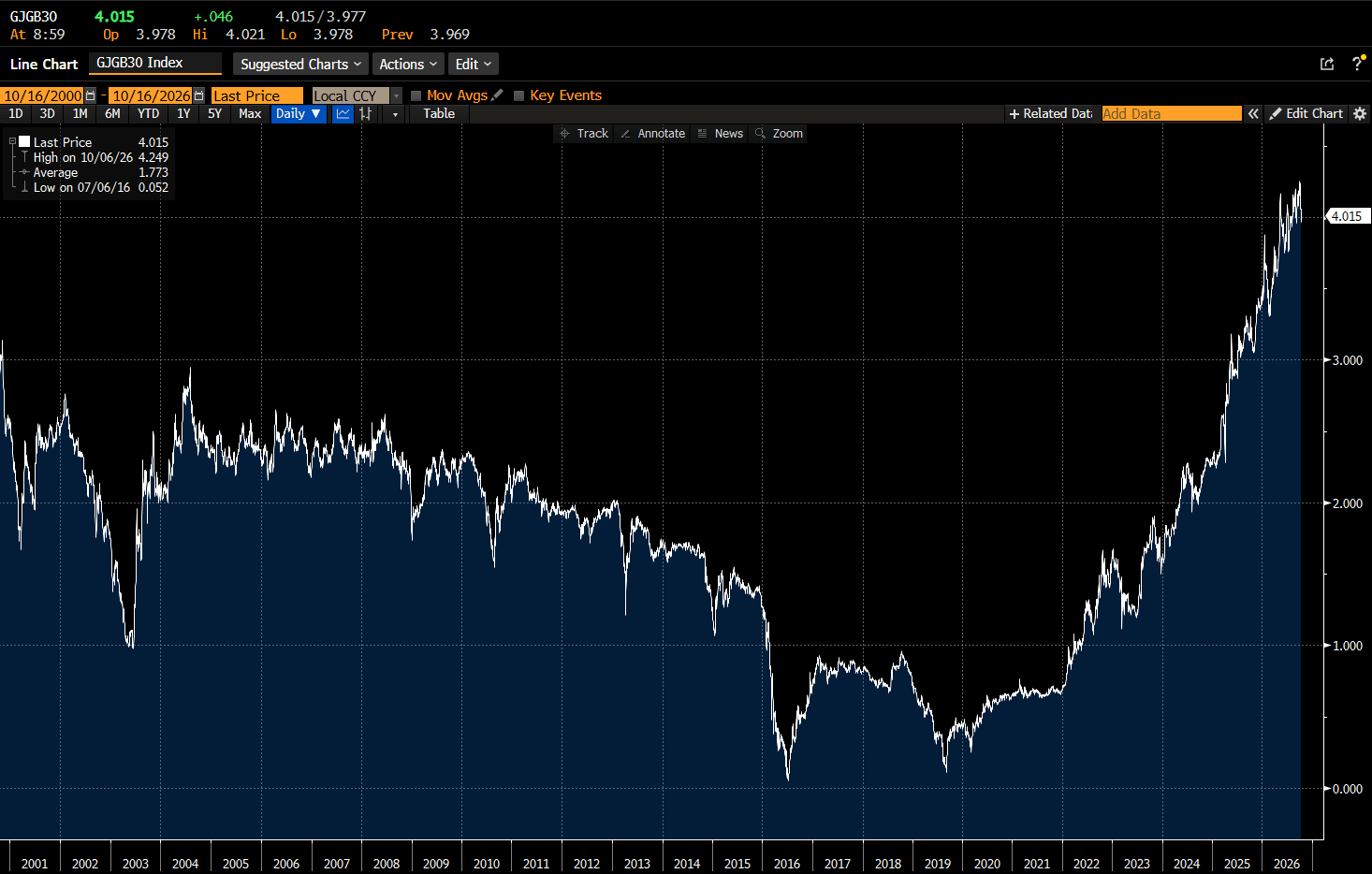
As mentioned numerous times, I found the JGB markets better lead on US treasury than anything else. In 2020, JGB yields sold off well before the US, and have continued to do so. This implies that Japanese investors are much more sensitive to US politics than American investors. I think there is a good reason for this. See the section below on Japan.
Japan - 1990
For almost three decades the Nikkei was a byword for economic mismanagement and stagnation. Only a few years ago did it finally breach the high set in 1989.
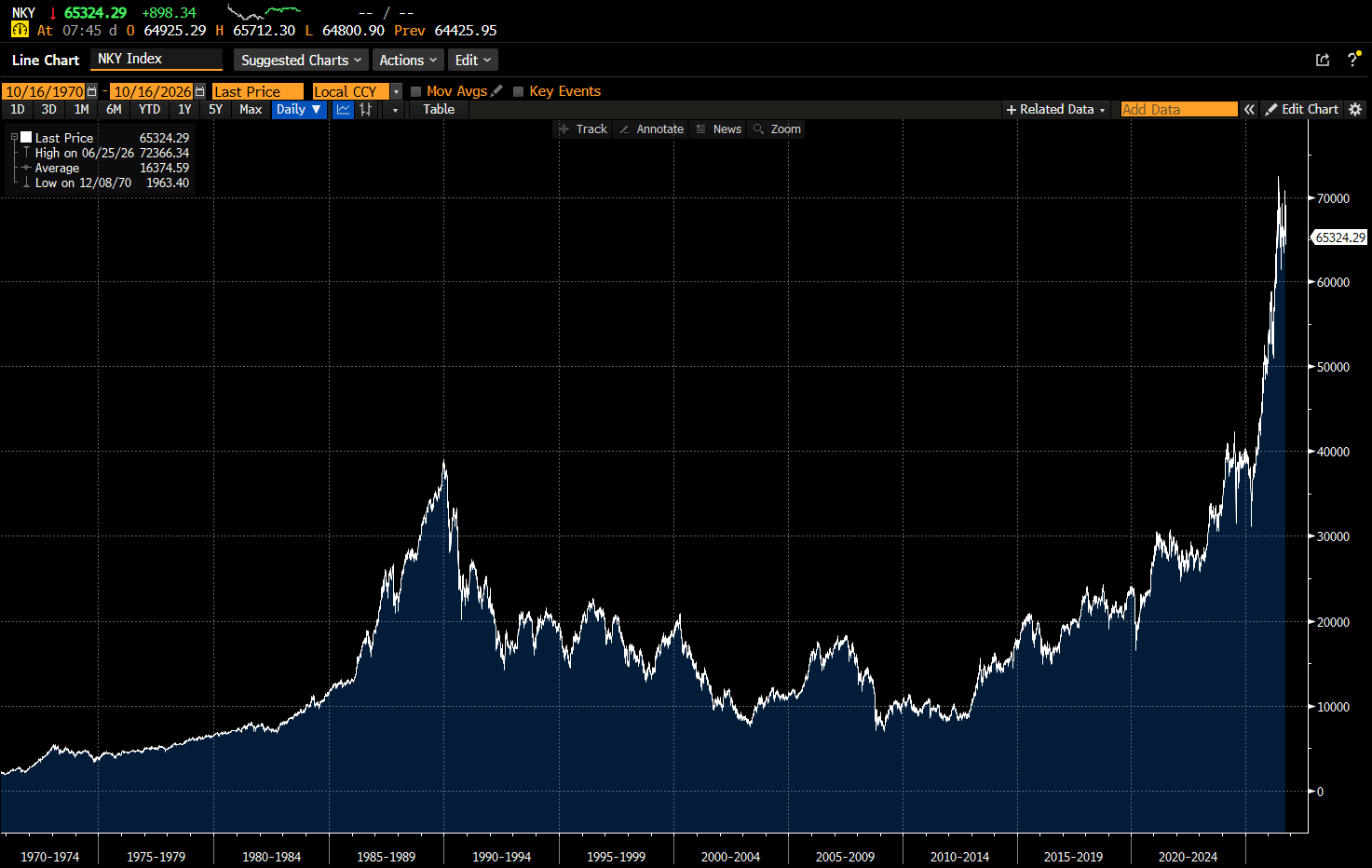
But for me, the Nikkei is almost 100% political driven. From a virtual standing start, Japan built a world conquering semiconductor industry in the 1980s.
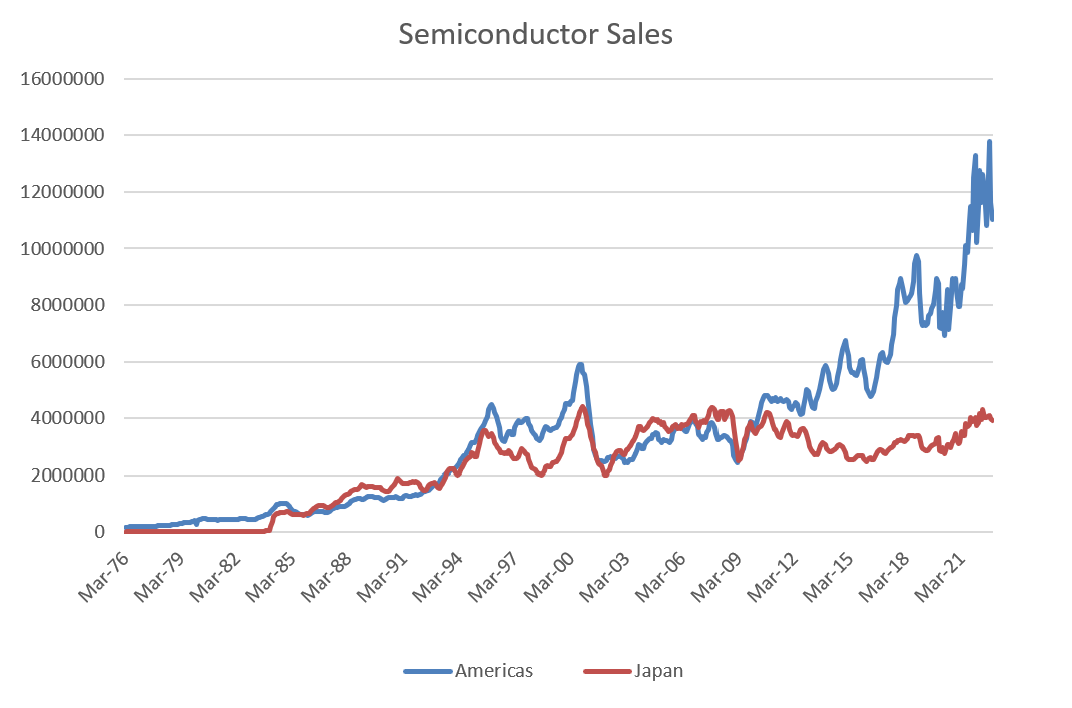
The rise of Japan created severe misgiving in the US, and led to a number of political agreements. The key one for me is the 1986, US-Japan semiconductor agreement. The main part of this agreement was that Japan agreed not to take any more market share from the Americans. The other, and much more famous agreement, was the Plaza accord, where the Japanese agreed to let the Yen appreciate. Down in this chart mean Yen appreciation.
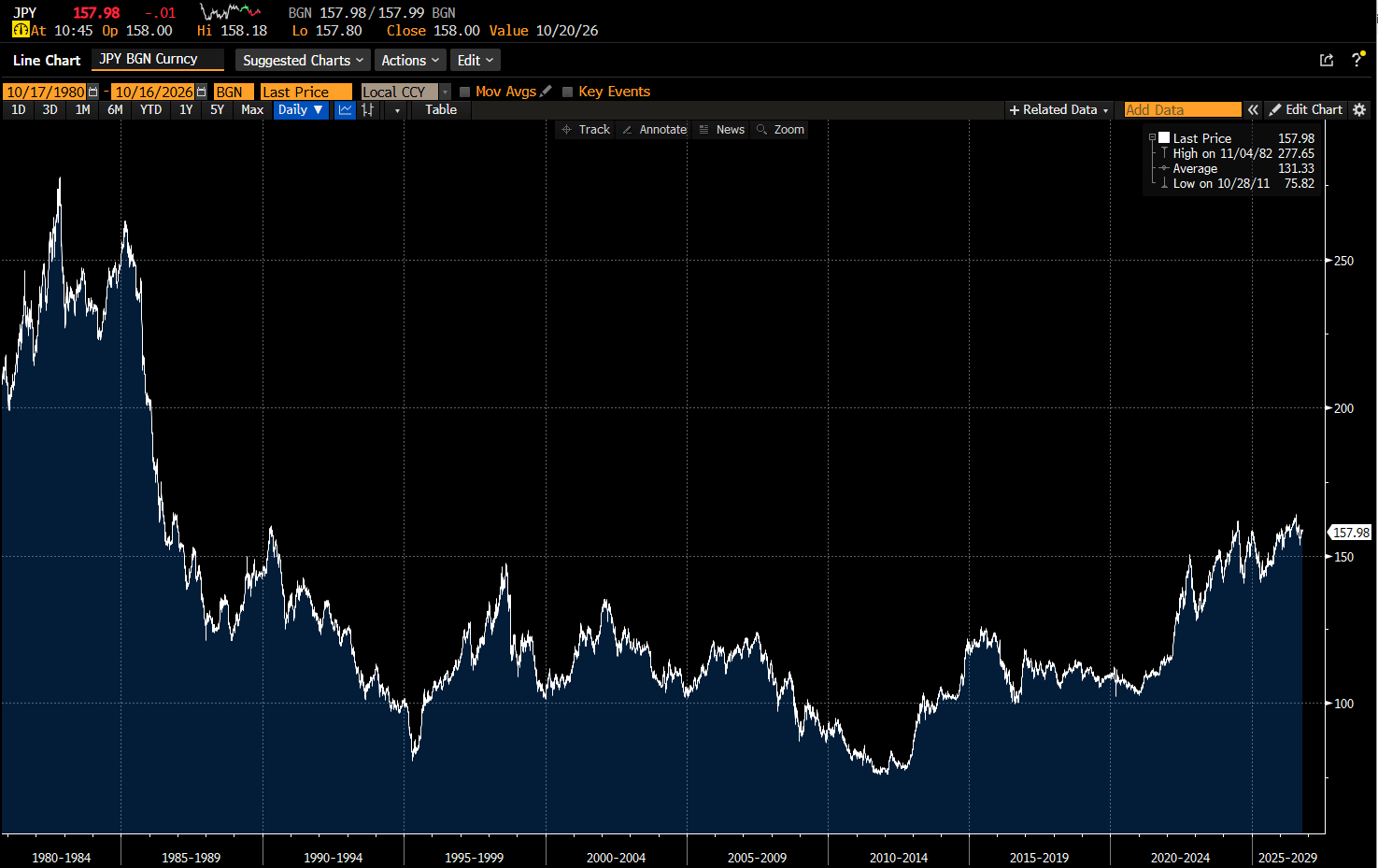
You would think an agreement to kneecap your most important industry and to allow a huge rise in your currency would be bad for markets, and you would have been right. But the Nikkei doubled from 1986 to 1990, before breaking lower. In this case there was a four year gap between changing politics and market recognition.
LEAVING GOLD STANDARD - 1972
This is the wildest analysis of all. The 1970s are known as the stagflation era, where high inflation and interest rates acted as a break on stock markets and growth. For many macro investors, leaving the US leaving the gold standard was THE cause of inflation. But politically I would argue the opposite. When a country devalues, it is reducing the wages of its workers in the global market place. So while it may be temporarily inflationary locally, its overall effect is deflationary.
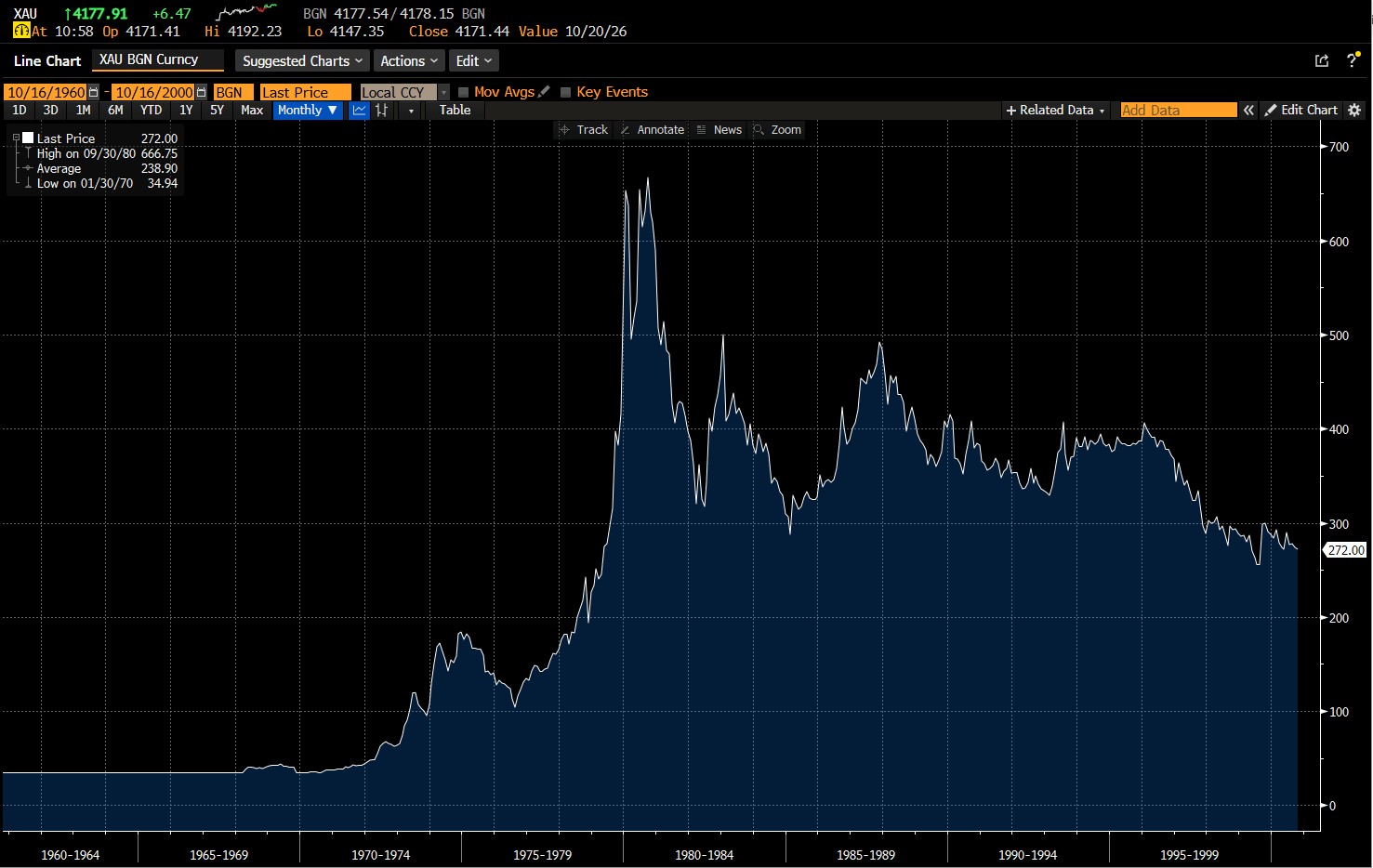
I know a lot of people are going to struggle with the idea of devaluing as being deflationary. But if you look at the Great Depression, it was “beggar thy neighbour devaluations” that kept prices in check globally. The Great Depression ended when the US agreed to a strong currency, and from there we entered an inflationary era, but also an era of higher bond yields. What this means in practice, was that Nixon taking the US off the gold standard, was for the benefit of corporates, not workers. However the top in US yields did not happen for another 8 years. Of course for other countries, yields peaked when the US left the gold standard. The all time high in Swiss ten year bonds was in 1974.

CONCLUSION
I think the current political set up, which heavily favour billionaires and stock markets looks unsustainable. Taxes will have to rise, and most likely they will rise on wealth, rather than wages would be my read. But just because the politics has changed, markets can keep moving the opposite direction for sometime, even nearly a decade. Politically, this makes me favour gold over stocks. And in 2025, this started to come true, but in 2026 substantially reversed.
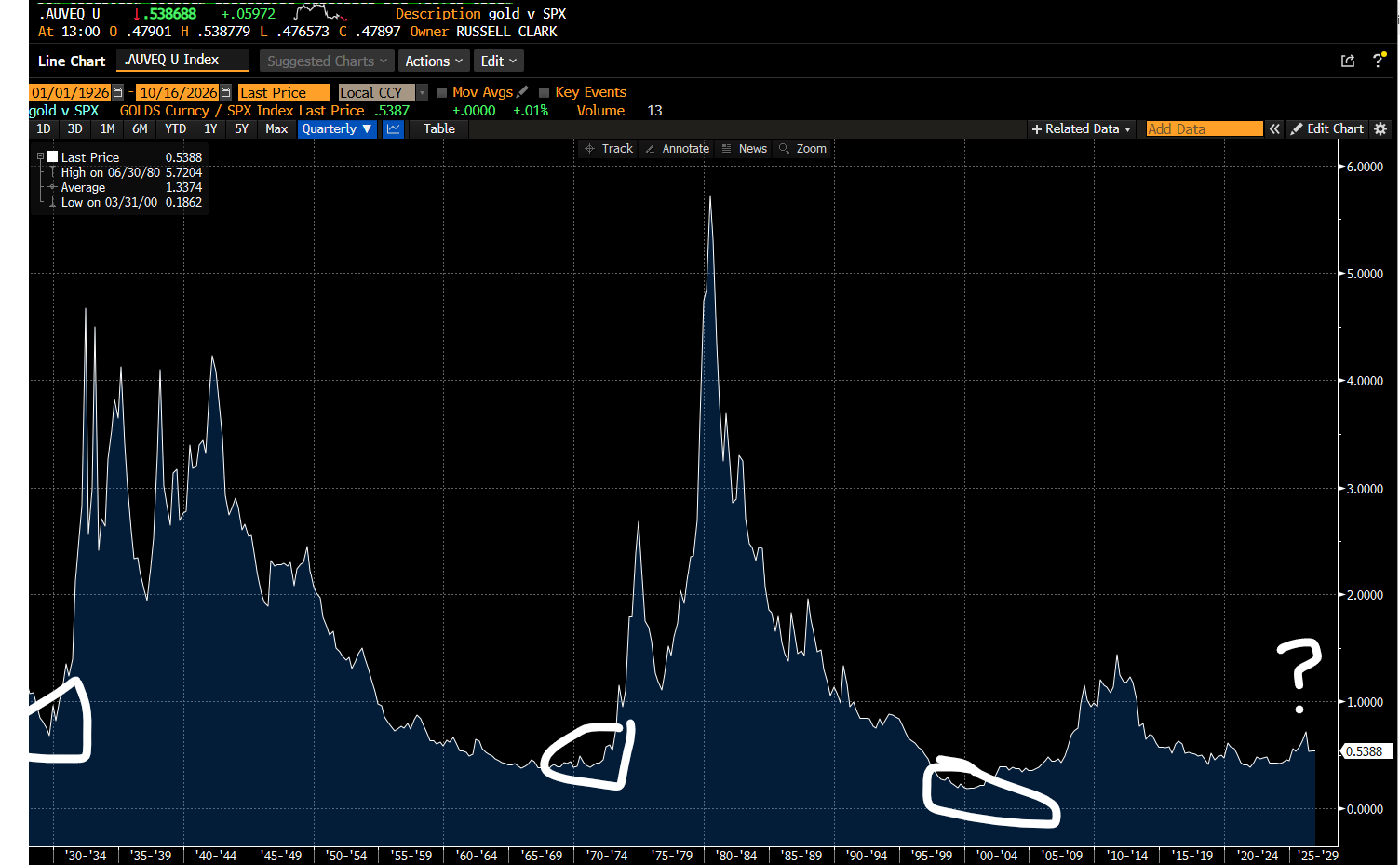
Markets have reversed this year, but my read of politics remains the same. But as the above shows, sometimes it takes times for politics to fully leak to markets.


