
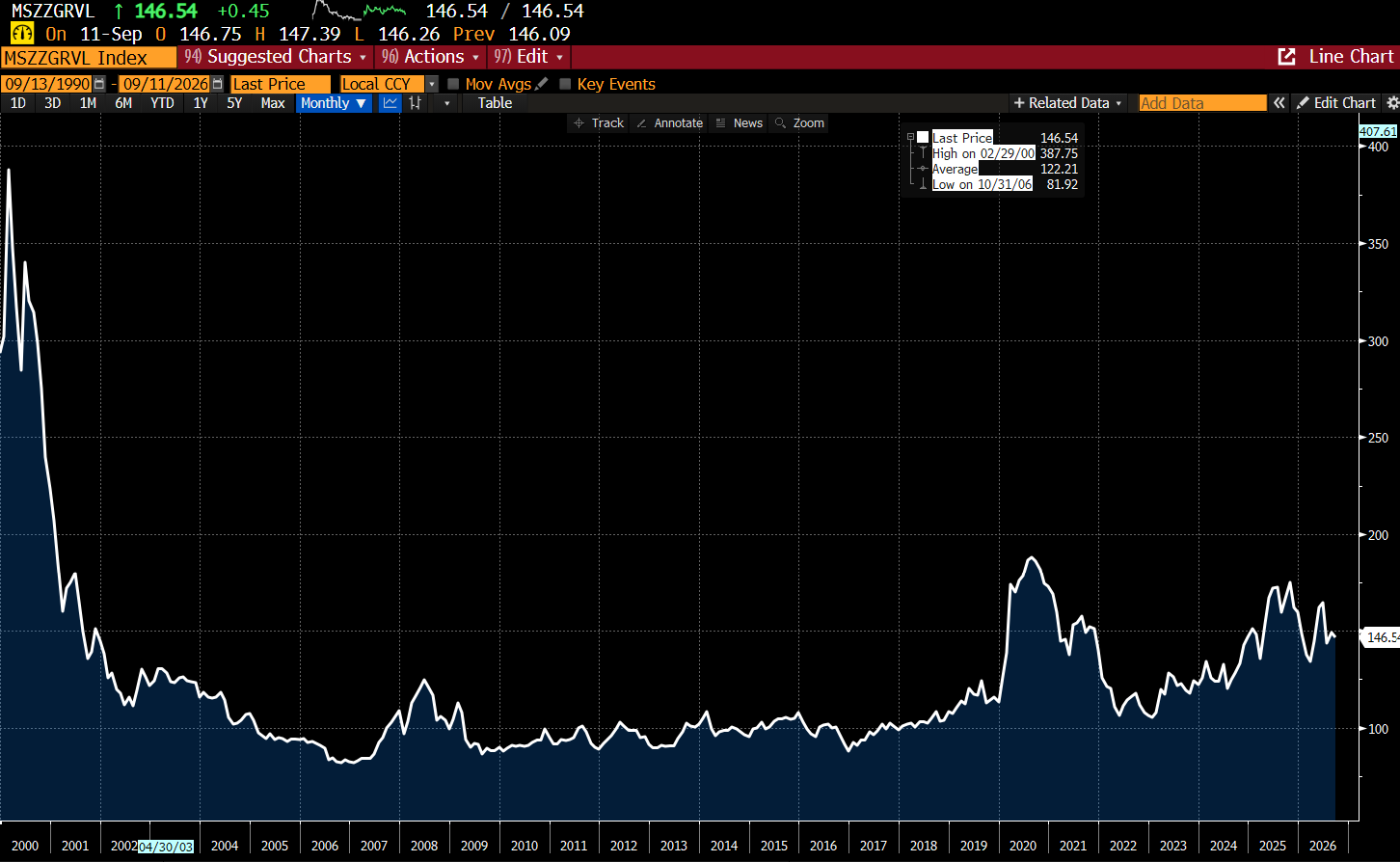
I was lucky enough to start working at GAM in 2002. GAM was a leader in the fund of hedge fund business just as it was booming. The source of this success was not hard to find, and being at GAM was a great place to see it. The dot com bubble was coming to a head in 1999 - and as one investor told me - funds had to sell value stocks to buy growth stocks or risk underperforming. This Morgan Stanley Growth v Value index gives an idea of how extreme it was.
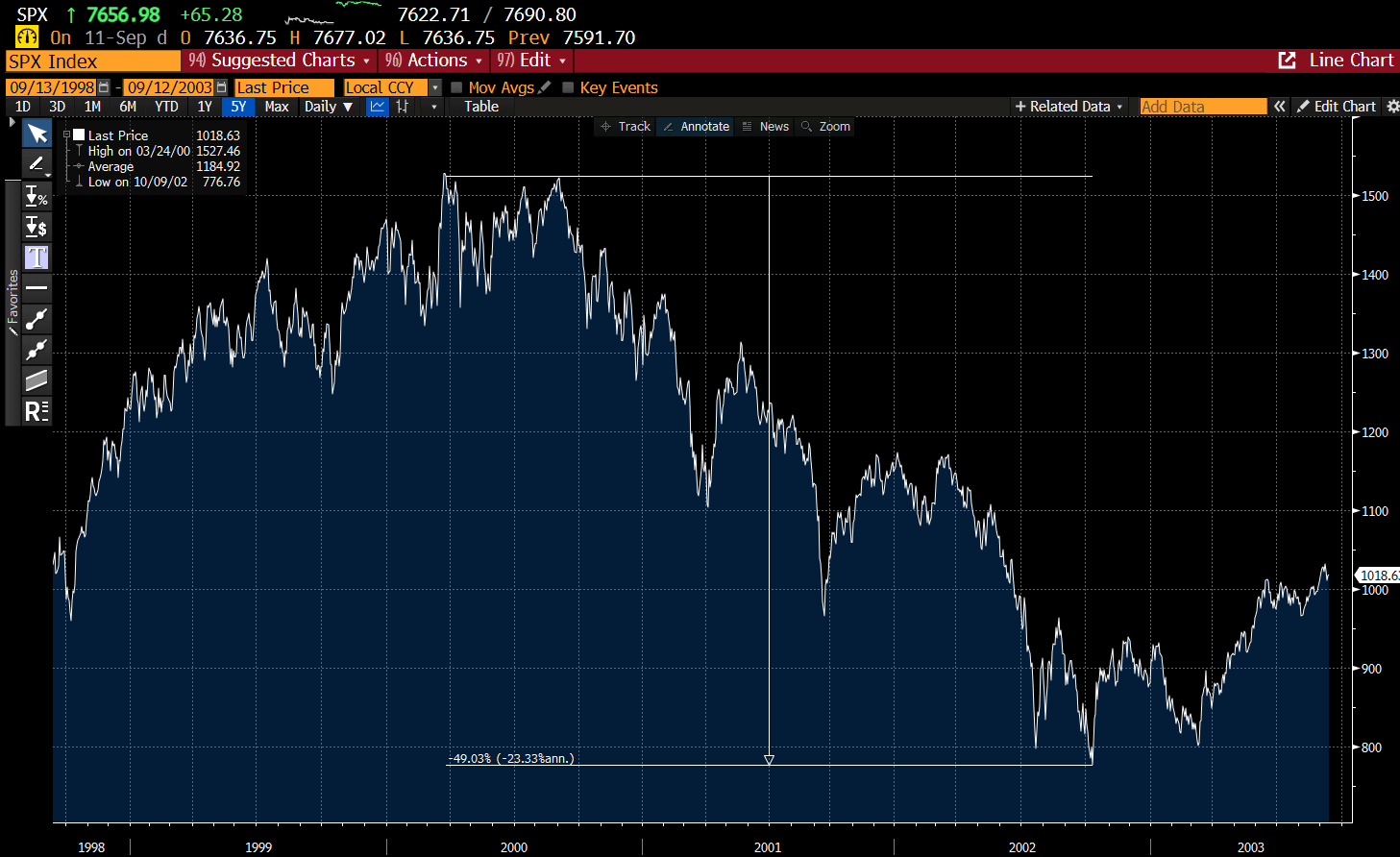
Many of the hedge funds started in 2000 had a value versus growth bias, and did extremely well. The S&P 500 also fell 50% from 2000 to its low in 2002, and had three down years in a row. Hedge funds did well just at large cap US stocks were doing poorly, and this drove huge inflows into the industry.
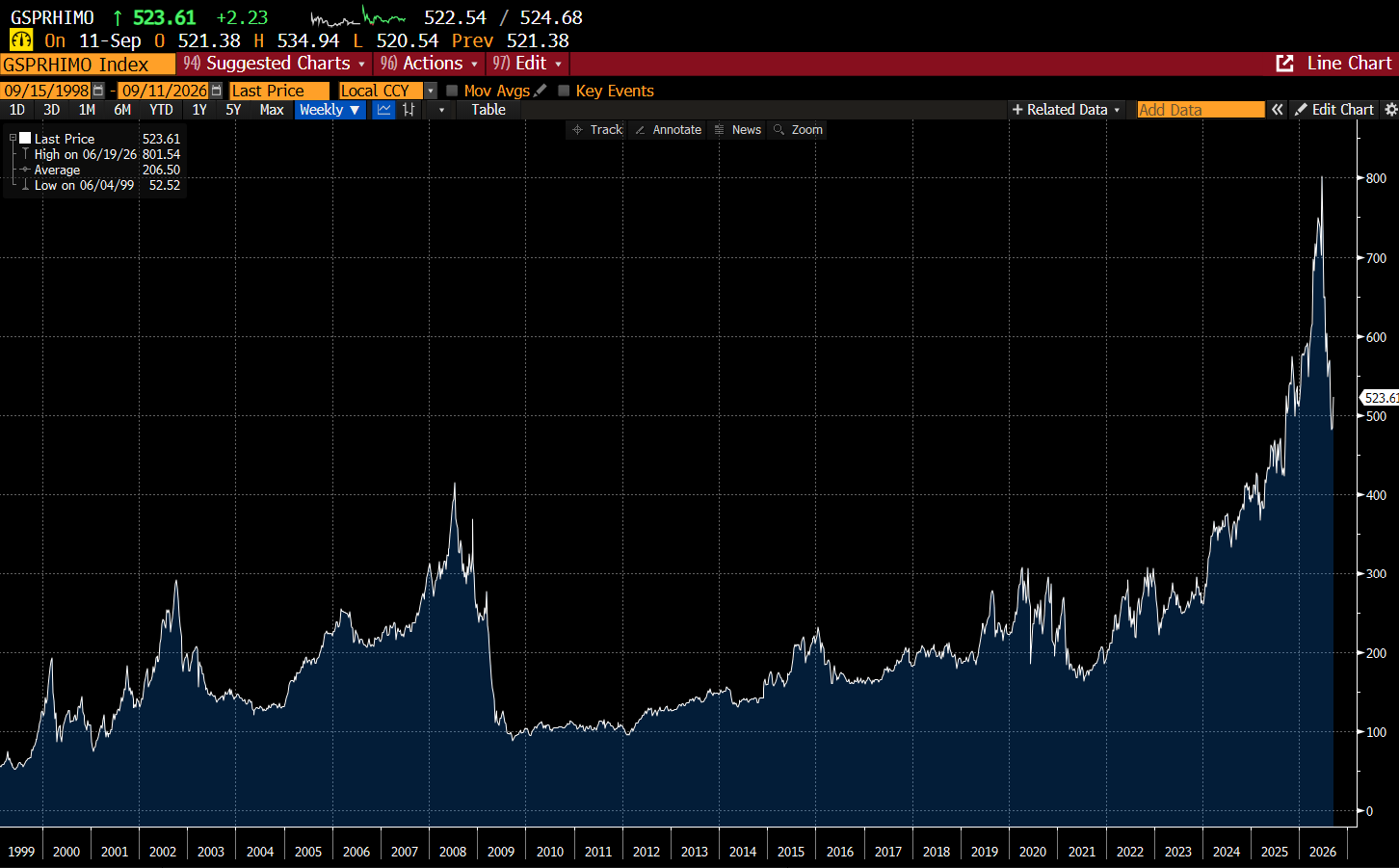
The GFC was good for me, and for SOME hedge funds. But in 2008, you could see the problems were starting. The average hedge fund lost money. Part of the problem with the hedge fund space then and now, is that it is often just a fee strategy looking for an investment strategy. If you don’t know what that means, basically fees are higher in hedge fund space, so everyone wants a hedge fund, even if they don’t know what they are doing. What I remember so clearly about 2008/9 was that it destroyed momentum strategies. In 2008, everyone went short banks and long commodities, which worked great until half way through 2008, when the market suddenly remembered financial crises are bad for commodity demand, and then just as everyone got short in 2009, the market rebounded hard. Looking at the GS Momentum Long/GS Momentum Short index shows the carnage.
I remember in the period after 2009, hedge fund investors changed dramatically. No longer did they trust big names to know what they were doing. Questions became more pointed, and no one paid hedge fund fees for beta any more. They were happy to allocate to low cost passive funds if they replicated hedge fund strategies. This lead eventually the decline in hedge fund launches, although not in the total number of funds.

Over the years, the hedge fund space has become increasingly detached from the market. What do I mean by that? Well the industry has become increasingly prone to drawdowns from “rotation”. As the 40% drawdown in momentum strategies above shows. It is probably easier to see with GS VIP Long vs Most Short Index. Since 2016, any spike in VIP Longs v Most Short has been met by brutal reversals. That is the core long/short strategies no longer work.
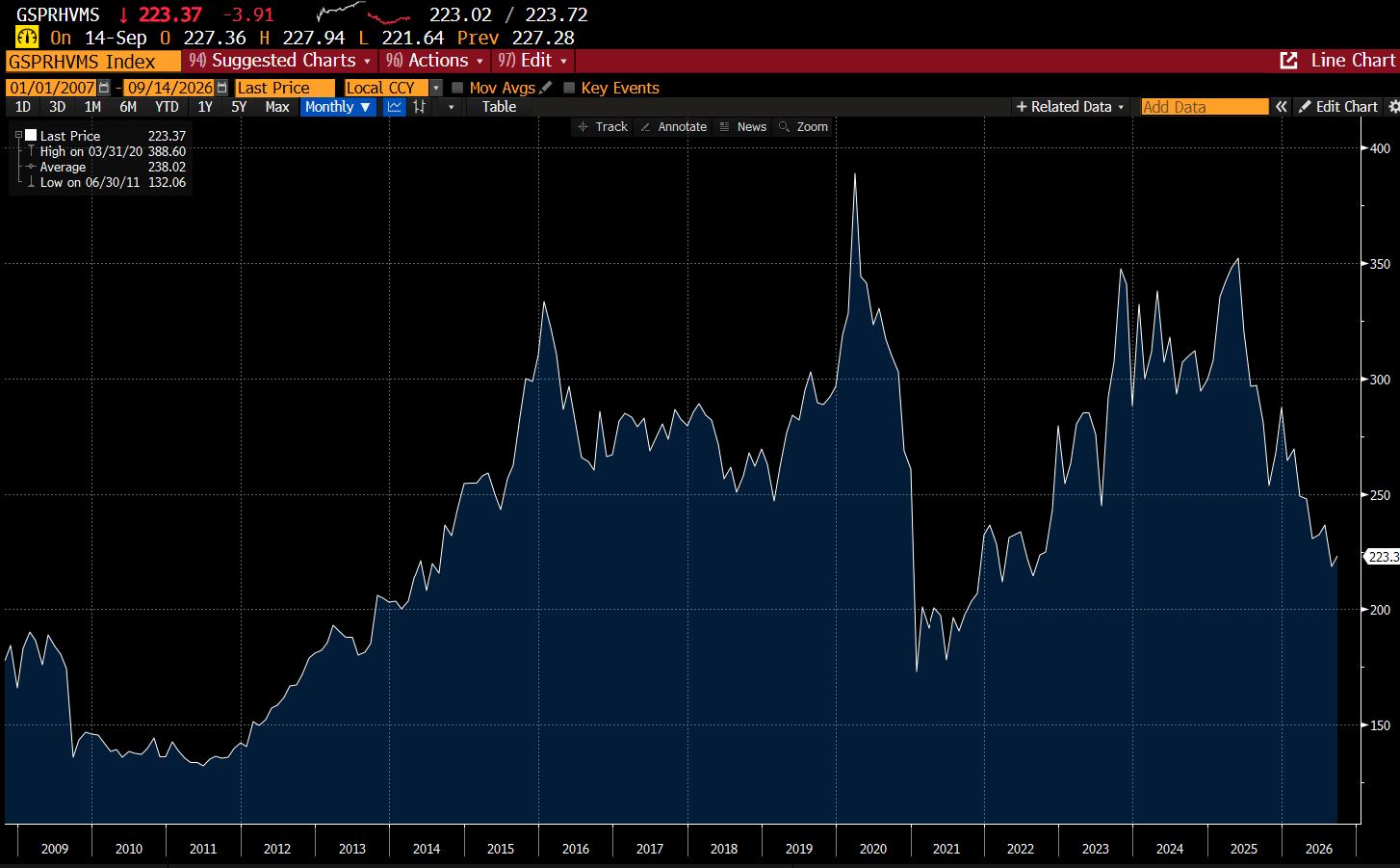
Why is this? In the hedge fund space, I have noticed the rise of various different styles of fund - pod shops, or what I would call volatility management style of funds. I would add first loss capital in to this bucket. What all these management styles have in common is an incentive structure that rewards upside, but hugely punishes downside. In pod shops, it is common to hear that 2% drawdown will be met with huge capital reductions to the managers. With first loss capital, a typical structure is that a fund manager can charge a high monthly fee on profits, they need to take 100% of a loss. Another way to interpret this is that while headline fees are high, the manager is forced to sell a zero cost put option to the first loss capital investor. This is great for first loss investors, not great for managers.
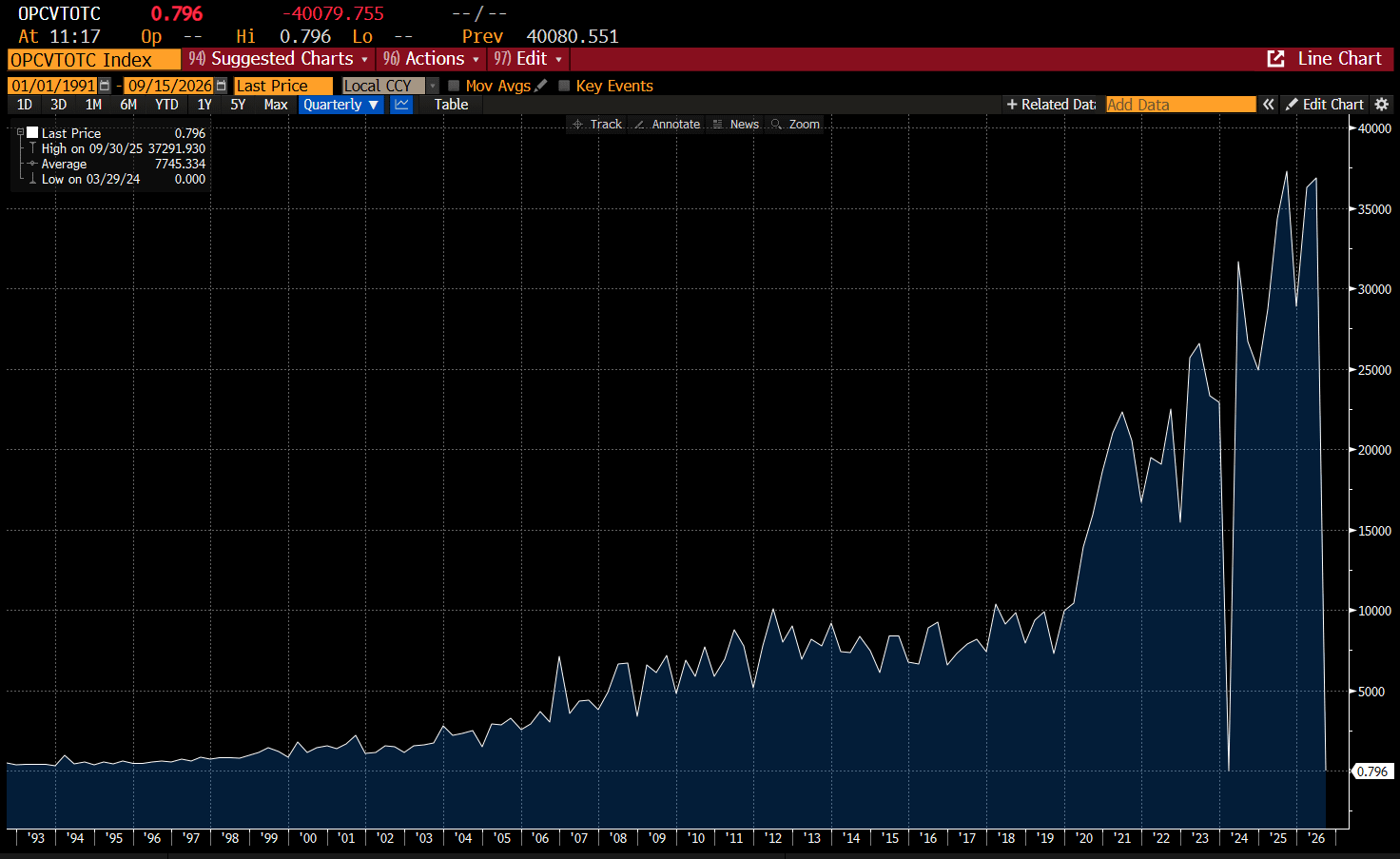
This creates a huge incentive to cap downside risk. In theory, the best way to create an investment strategy with asymmetrical risk is to use options. I don’t like options - but I can see the appeal. Option volumes have exploded. I am not sure this is the right index, but it fits in with what I have heard.
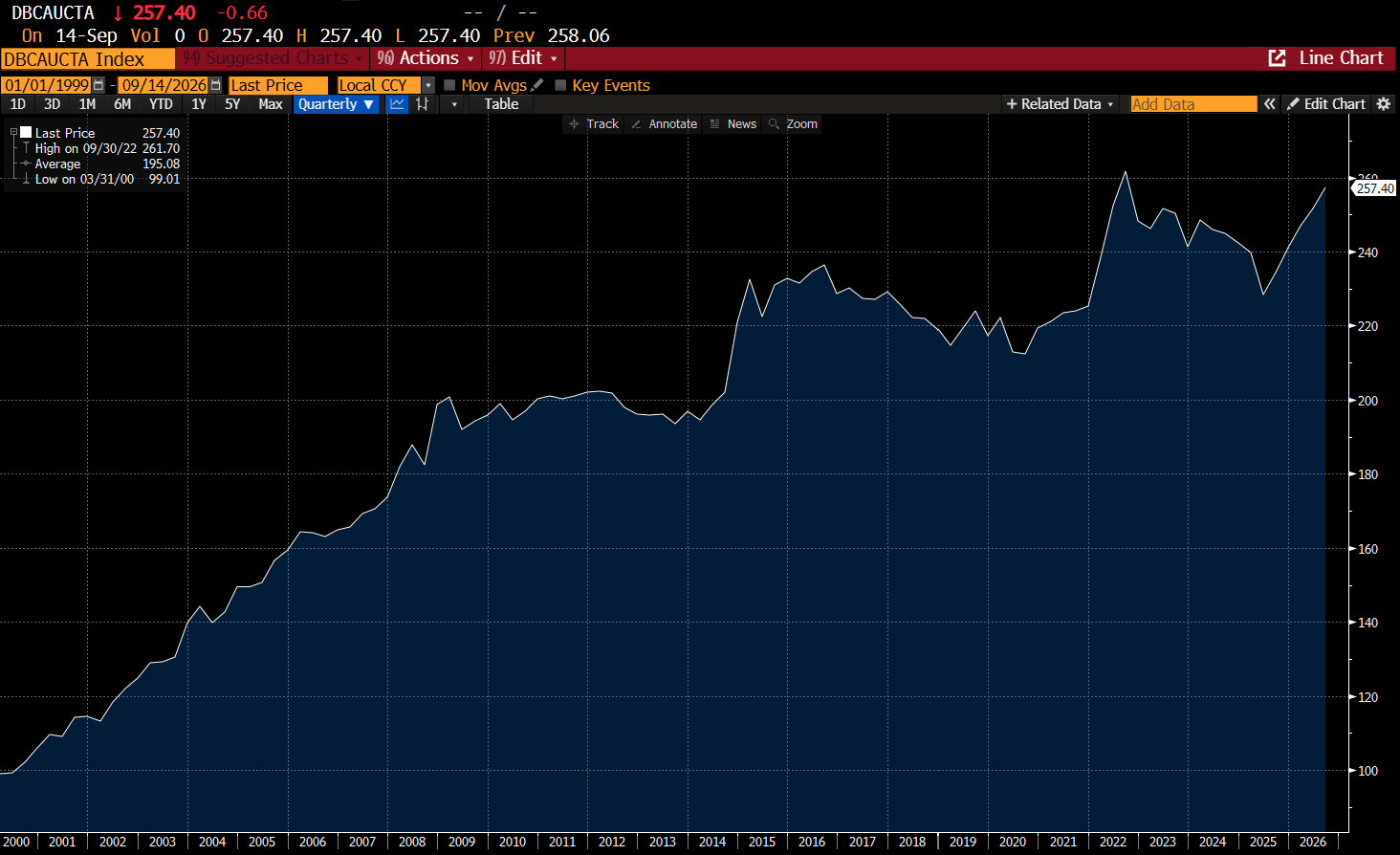
Why do I say “in theory” that option strategies are the best way to create asymmetrical risk? Two reasons. First of all the cost of buying options tends to destroy returns - called time decay. The second reason, is that selling puts tends to be a great strategy until it is not. In my experience, the only winner from option trading are investment banks, which is why they are so keen on selling them.
What has all this got to do with long short funds being so bad? Well, option trading has also become the drive of asset prices, no the derivative. Ladder attacks, where investors buy a series of call options with progressively higher strikes to force investment banks to buy have become increasingly common. One problem I have always had with options is that hedging is almost impossible, and so when option strategies work, they sow the seeds for their own destruction. And if you are downside risk averse, you need to be constantly hedging successful options.
This is why momentum strategies tend to break to new highs and then suddenly fail, with both long book and short book moving in opposite directions. This probably explains why long short hedge funds have a similar return profile to CTAs. Option strategies create mindless momentum trades, and CTAs being mindless momentum traders follow. Since 2008, CTAs have also been a waste of time.
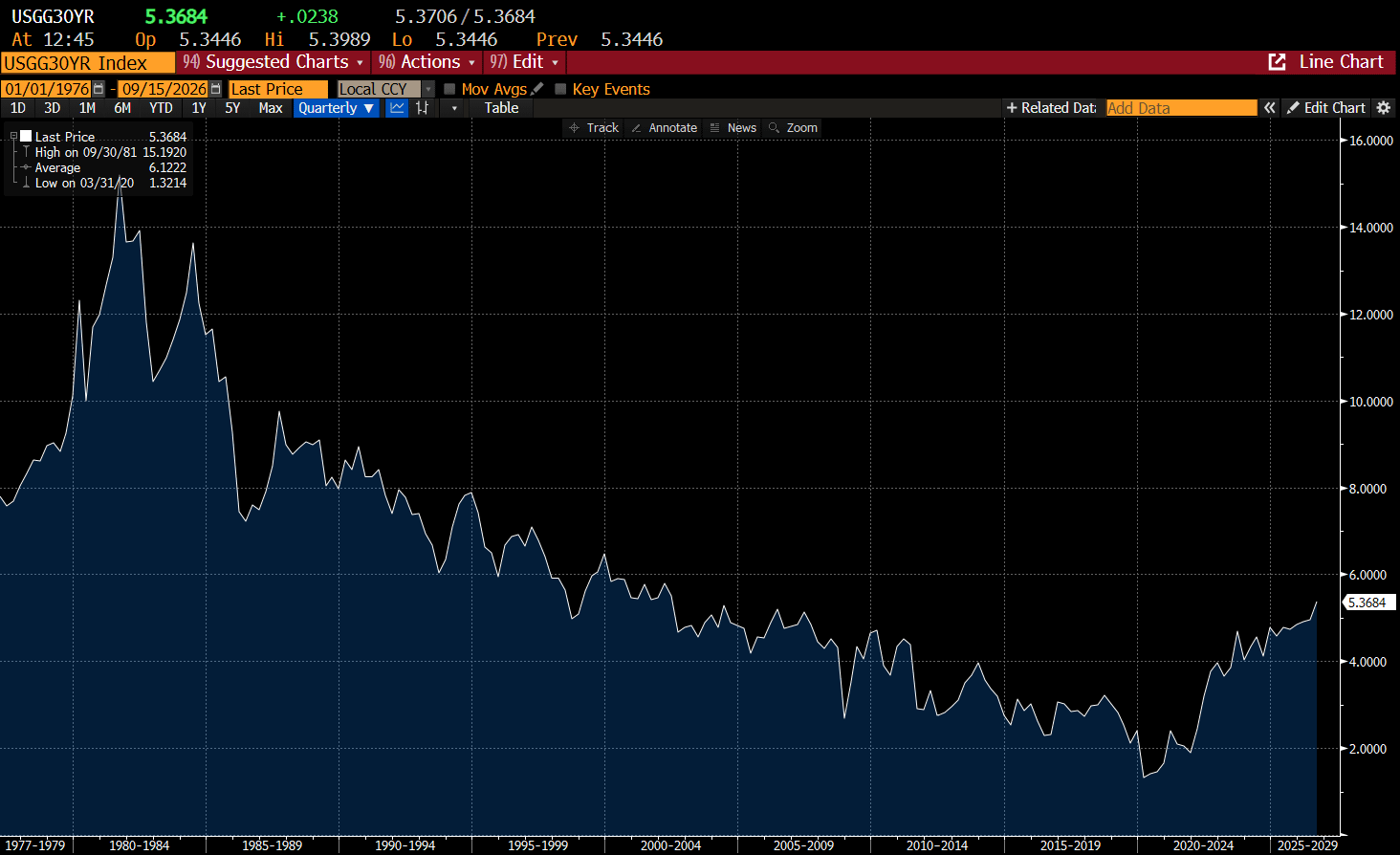
What changes this? I do think higher bond yields will at some point destroy the attraction of pod shops. You can now get a guaranteed 5.3% return by leading to the US government. Why are you bothering with a black box fee machine?
A good bear market would also help the long short community. Again, this would probably need investors to allocate away from equities back to bonds.
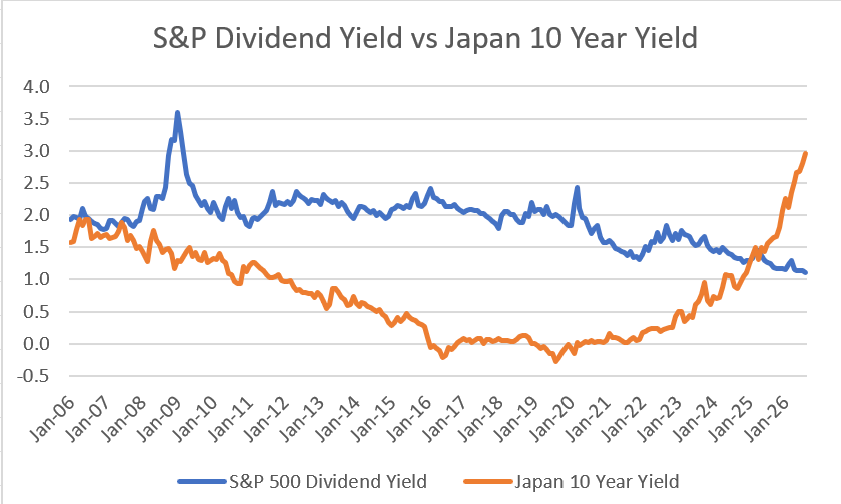
I have my views on the “political” changes that would be needed for long/short to thrive again. Time to be patient I think.


