
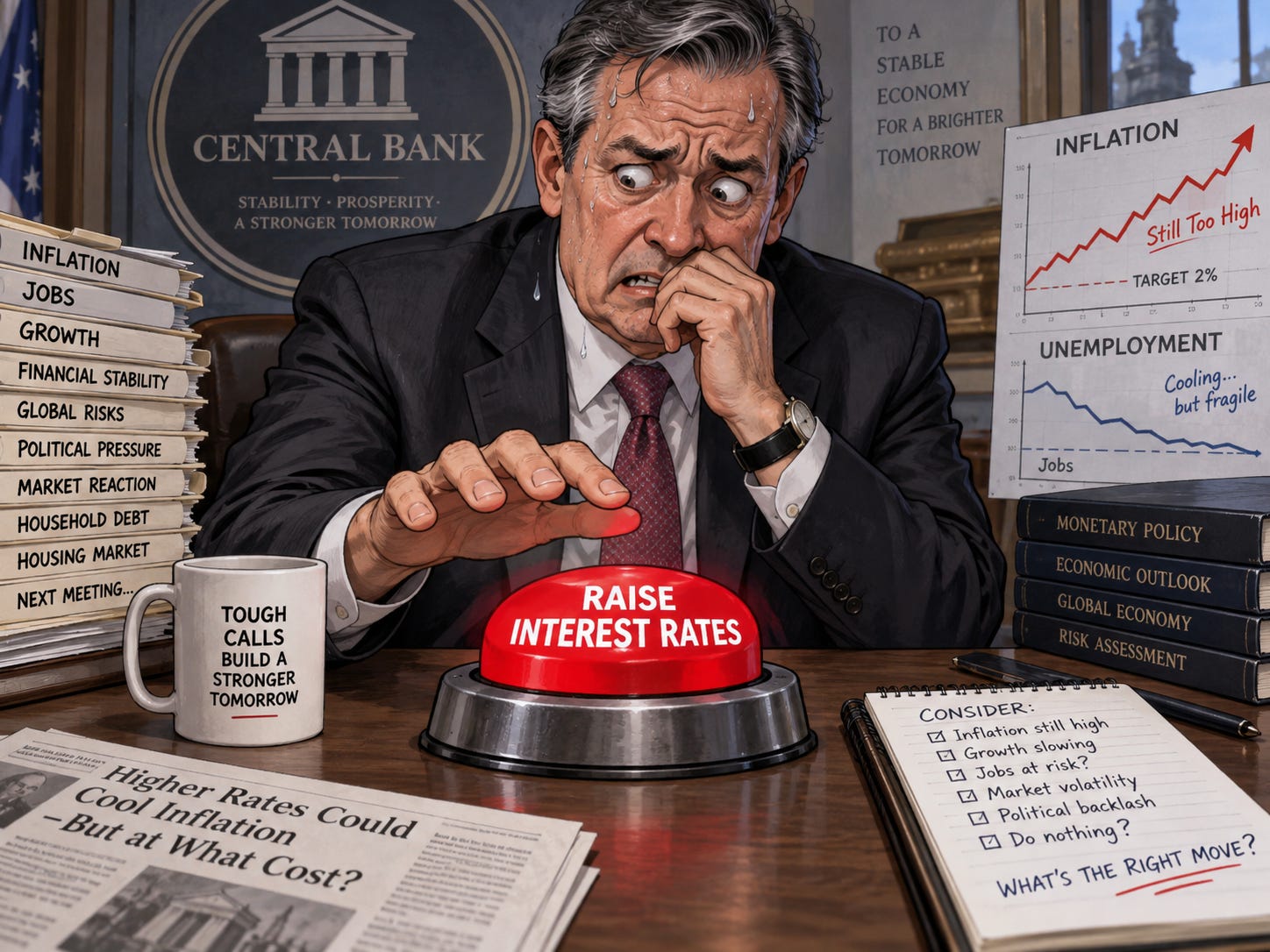
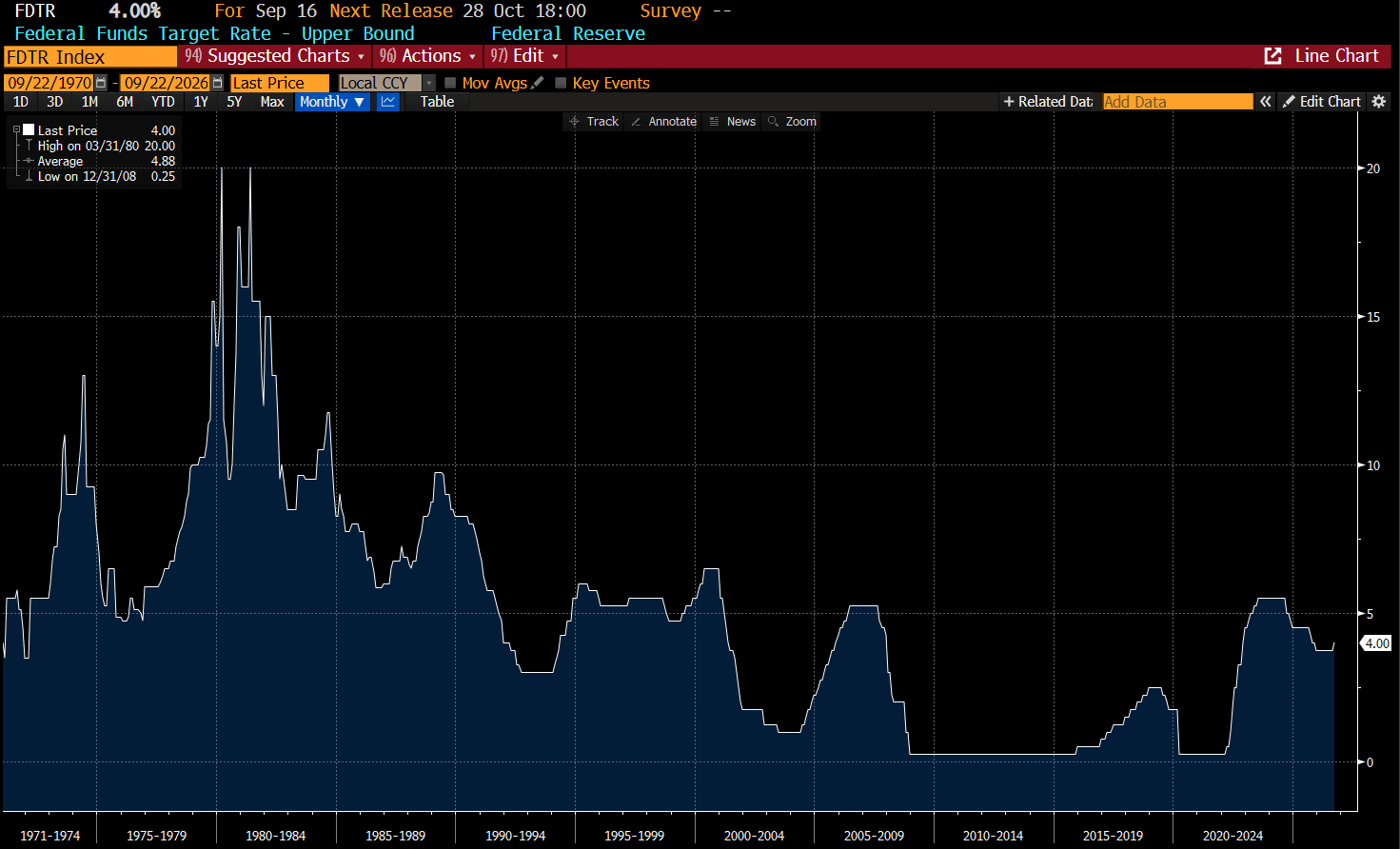
How you feel about central bank policy making since the appearance of Ben Bernanke around 2000, will pretty much determined by your positioning in asset markets. Private equity love him. Renters not so much. But one think that Ben Bernanke certainly introduced to markets was asymmetrical policy making. Helicopter Ben was all about big dramatic cuts and interventions to the downside, and then only inching up rates when growth returned. 2022 was a return to central bank surprising hawkishly, but since then, its been a return to cutting interest rates whenever possible.
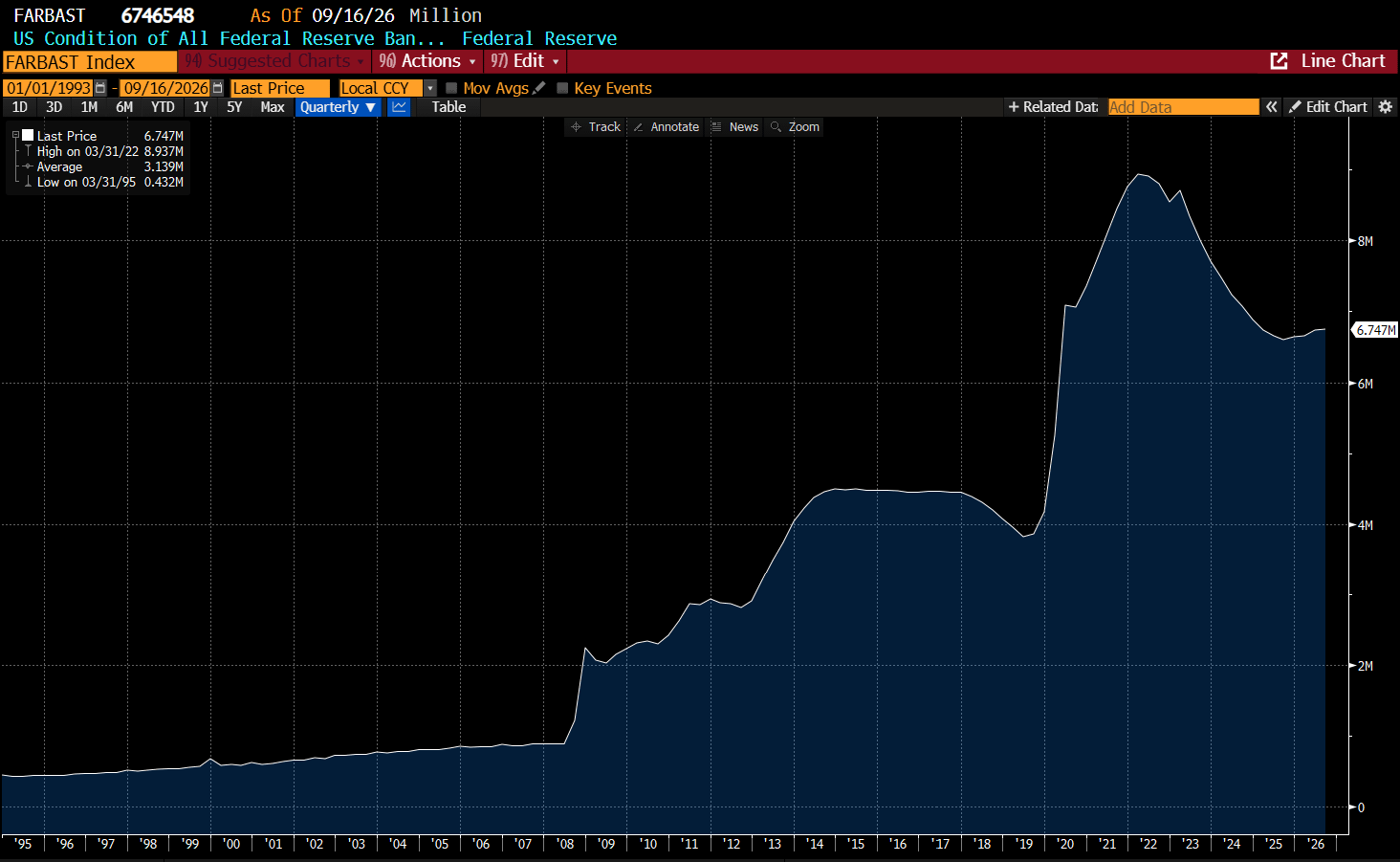
This asymmetry of central bank policy making is even clearer when you look at balance sheets, quick to expand, slow to shrink.
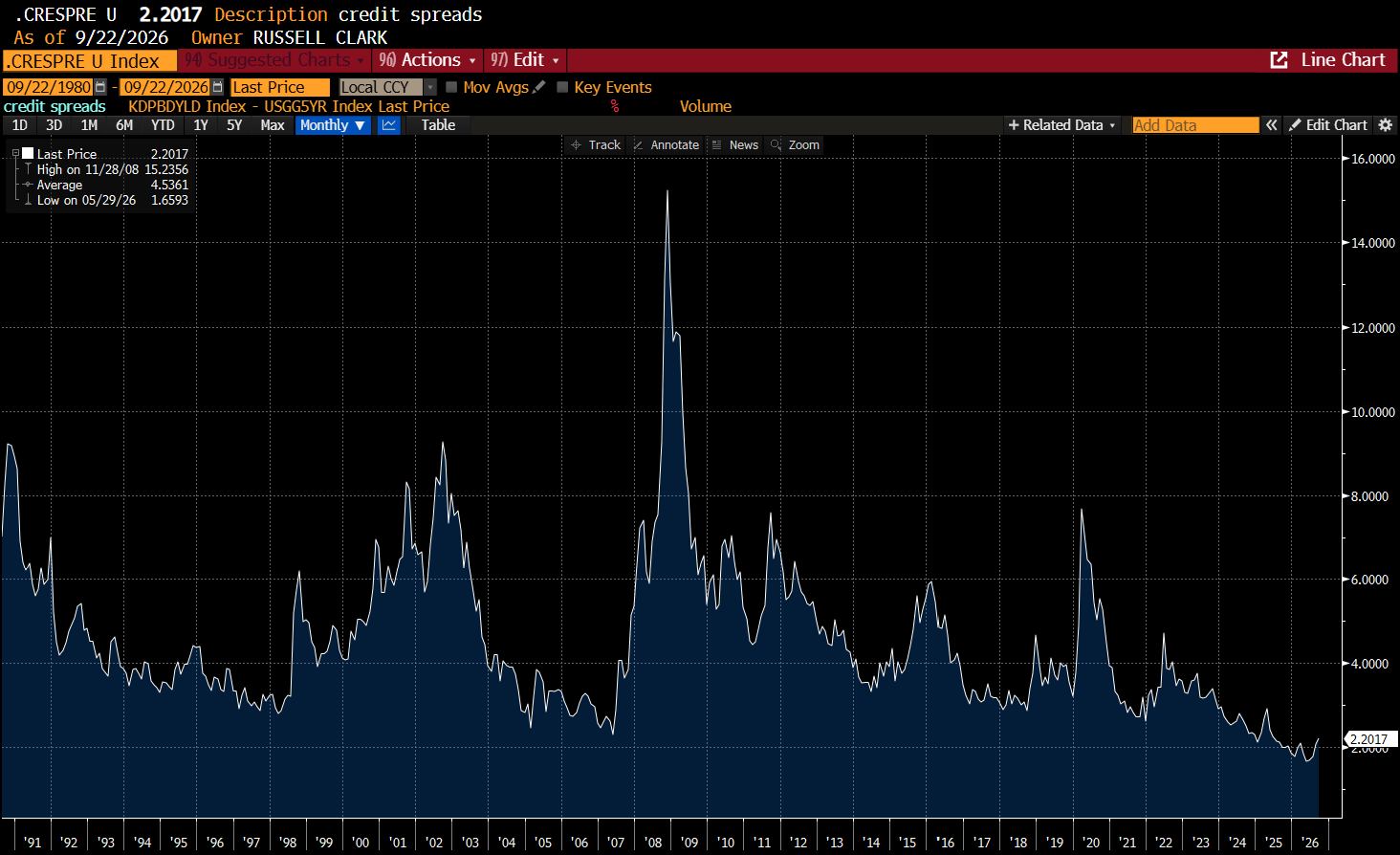
One upshot of central bank policy is that they have effectively tied corporate credit to sovereign credit (I did mention private equity love Ben Bernanke?) The spread of corporate credit to treasuries has remained at very low levels since Cvoid. In essence, the corporate debt market either believes there will never be a recession again, or if there is, central banks will be buyers as they were in 2020.
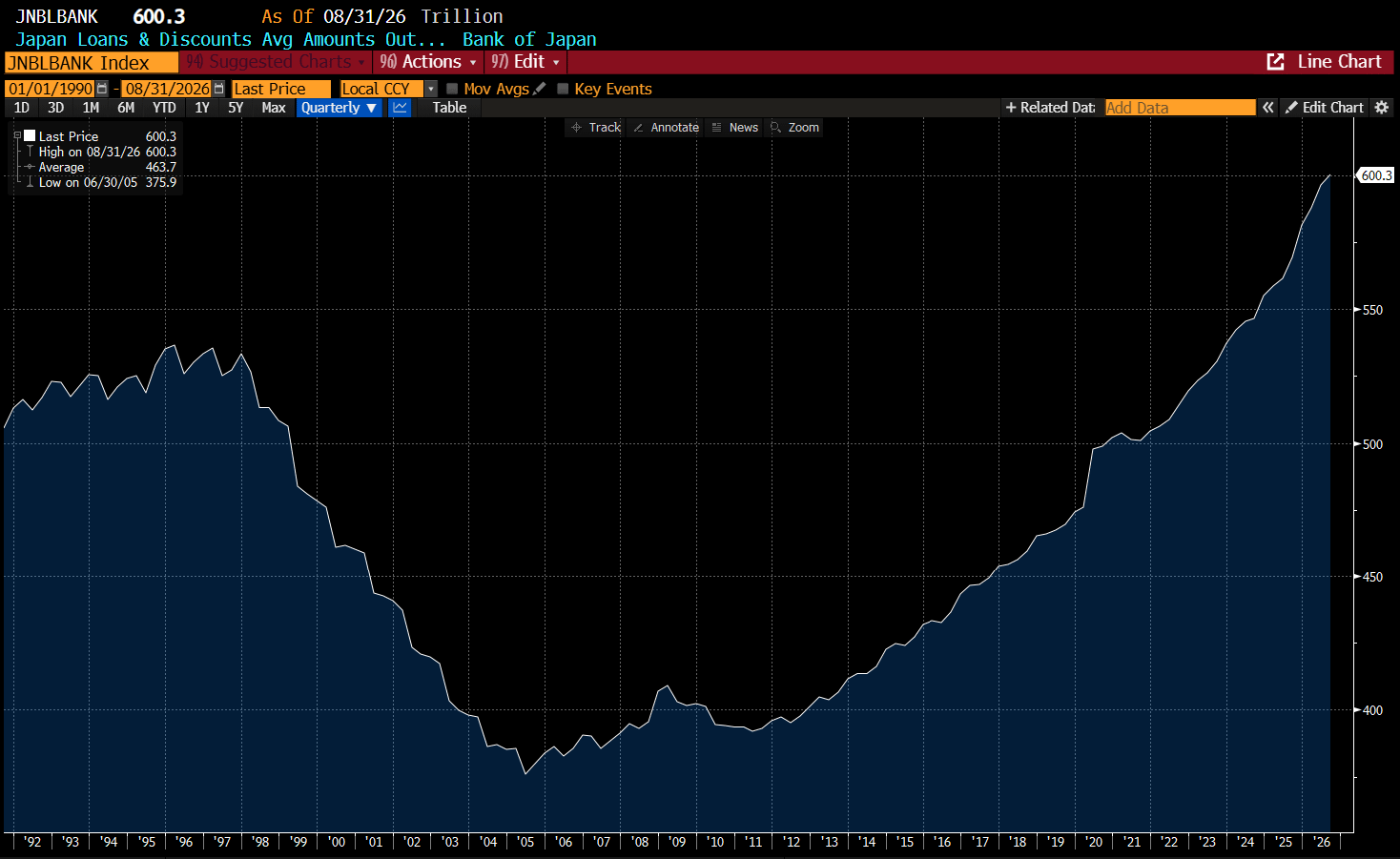
So far, all hunky dory - central banker high fives all round. But, I see a problem now. As mentioned, markets just don’t believe either the government or central banks will act to create a recession, so loan growth is accelerating - even in Japan.
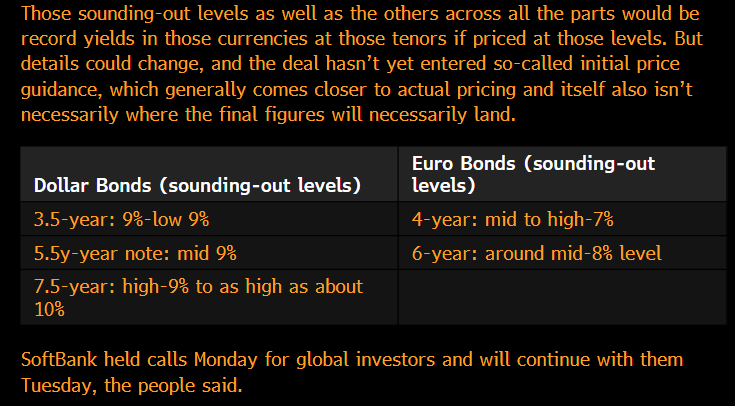
The problem for central banks, is because of this asymmetrical policy action, bullish players are now almost willing to pay any yield to access capital. I note that Softbank, is looking to borrow short term at 9% in the US and 8% in the Europe.
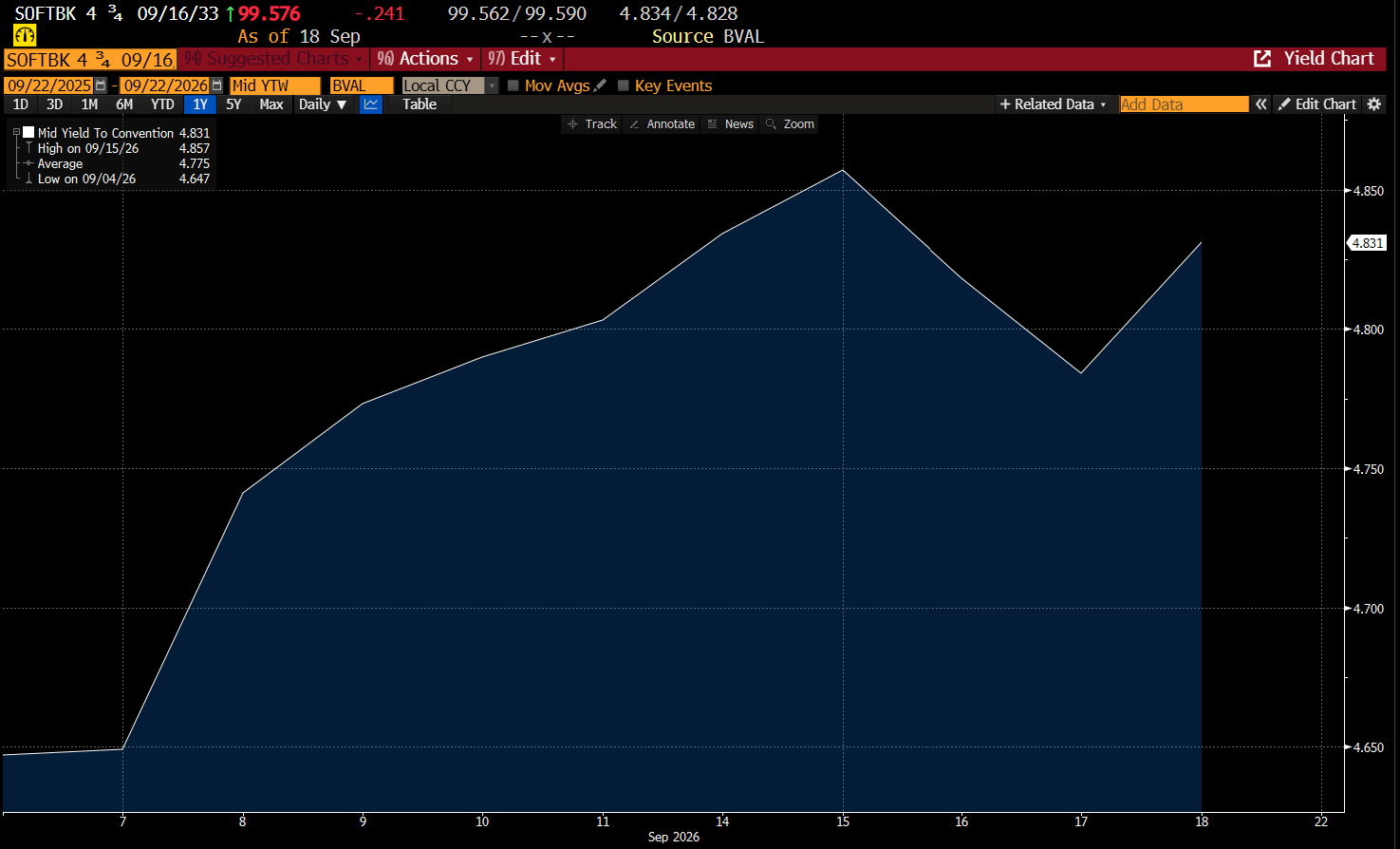
Even a recently issued 7 year Japanese bonds is trading at 4.8%
Traditional analysis would suggest that this higher yield is “credit risk”, and hence the “AI Bubble” is about to burst. You can find such analysis everywhere on Substack - and is probably wrong in my opinion. What I think is happening is that the hyperscalers and AI companies are competing via capital spend. The big players like Microsoft and Google have cashflow (although they also tap credit markets now), but more capital constrained players are going to credit markets. And why wouldn’t you? The calculation is pretty simple. Traditionally corporates would be cautious on using credit markets to raise capital, because in a recession and default, the bond holders could end up controlling the company via a debt to equity swap. But over the last few years we have seen central banks intervene in the credit markets BEFORE any material bankruptcies. In fact a recession could be helpful, as central bank may well end up cutting rates and buying corporate debt, so a company like Softbank could refinance these bonds at a lower rate in the future. In essence, Softbank and its ilk is beginning to price central bank policy making into corporate credit. It is already beginning to change the way markets work. If you told me that the KDP High Yield daily yield would rise form 5.5% in January to 7% today, I would have assumed markets would be flat to lower.
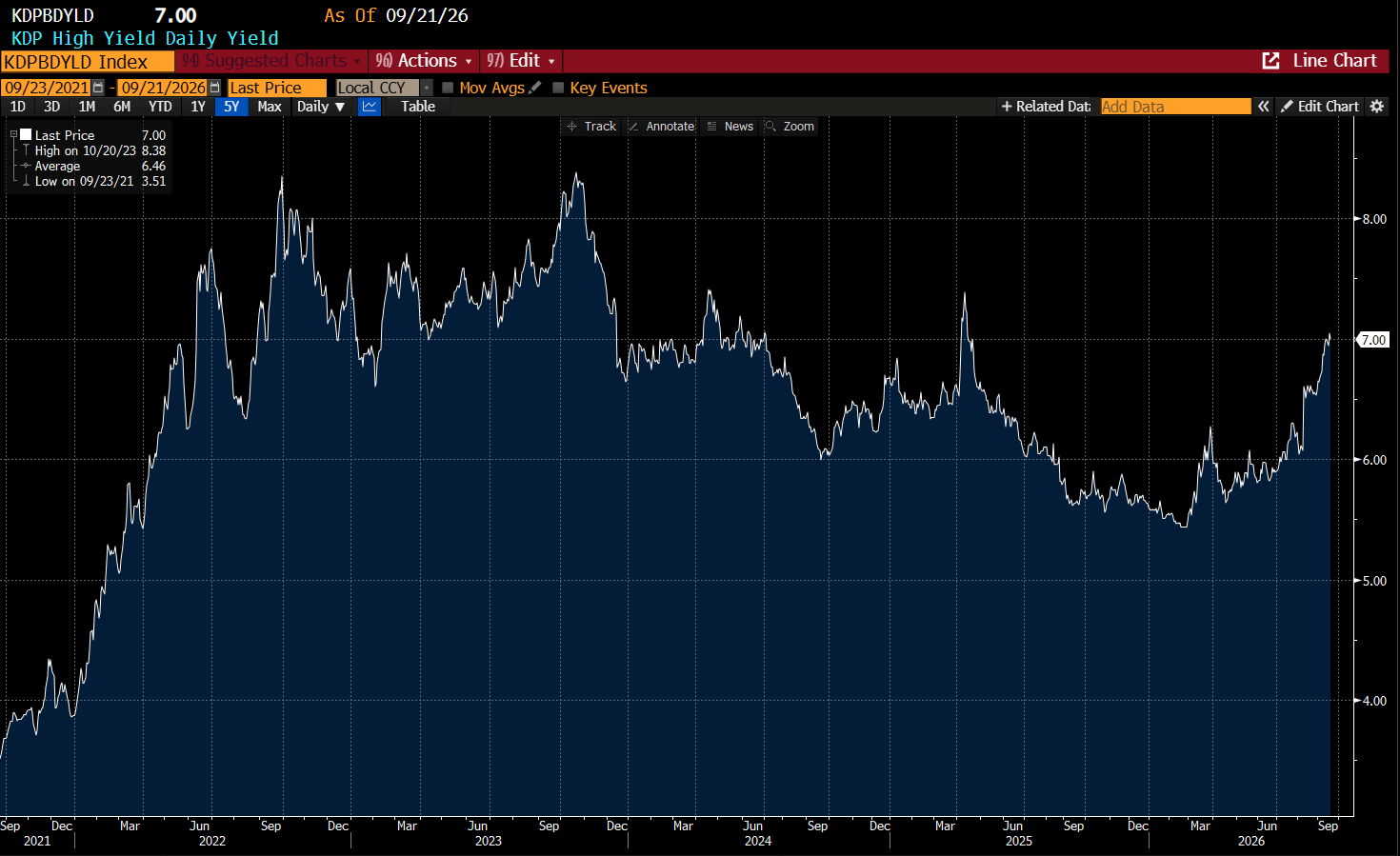
But what I am seeing is corporate not caring what the cost of debt is - because they are aware of the asymmetrical policy making of central banks. This is a problem for central banks and governments. If corporate bond yields are higher because of demand, and investors come to the same conclusion that corporate defaults are not possible, then why would anyone want to buy a government bond? You could consider this a reversal of the crowding out theory that used to exist - except in this case corporates crowd out sovereigns. This makes a lot of sense to me. China has been willing to default property companies, and accept slower growth because of it. Chinese government gets to borrow at rock bottom interest rates.
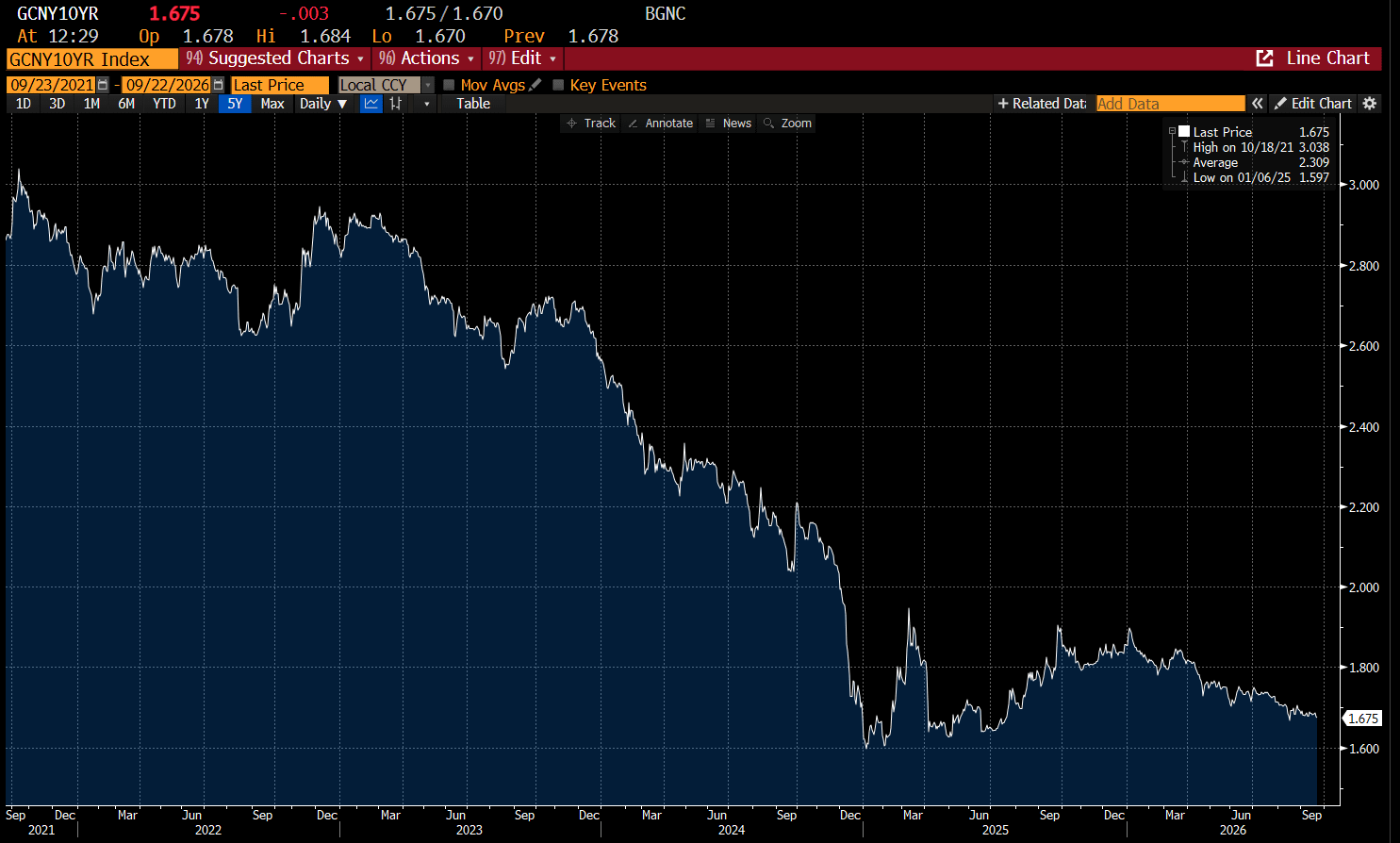
In the West, policy making has in essence suffered regulatory capture by corporate interests. And hence borrowing costs go up. The conclusion is pretty obvious. Central banks (and governments) would have to prove they have the stomach to bankrupt some large corporates to gain control of yields again. Possible, but with the current personnel, unlikely.


