
Markets are about greed and fear. Greed is easy to understand, but fear is more difficult concept. One way fear shows up is in a rejection of something new, and this in particular appears in older investors. I have a lot of sympathy for this fear. In the markets I grew up in, crises and crashes were the norm - not rare events. Japanese bubble burst 1991, the Tequila crisis in 1994, Asian Financial Crisis in 1998, Dot Com Bust in 2000, Latam Devaluations of 2001/2, GFC in 2007/8, Eurocrisis of 2011, EM problems of 2015/6. To survive in markets, being paranoid and cynical was a prerequisite.
If you have been a long time reader of this website, you will know that I looked at a number of macro indicators, which basically signalled a market top in 2016. The first, and one that is still quoted today by people looking to be bearish is Net International Investment Position (NIIP). The deterioration in US NIIP is so vast, its easy to make a bearish case on all US assets.
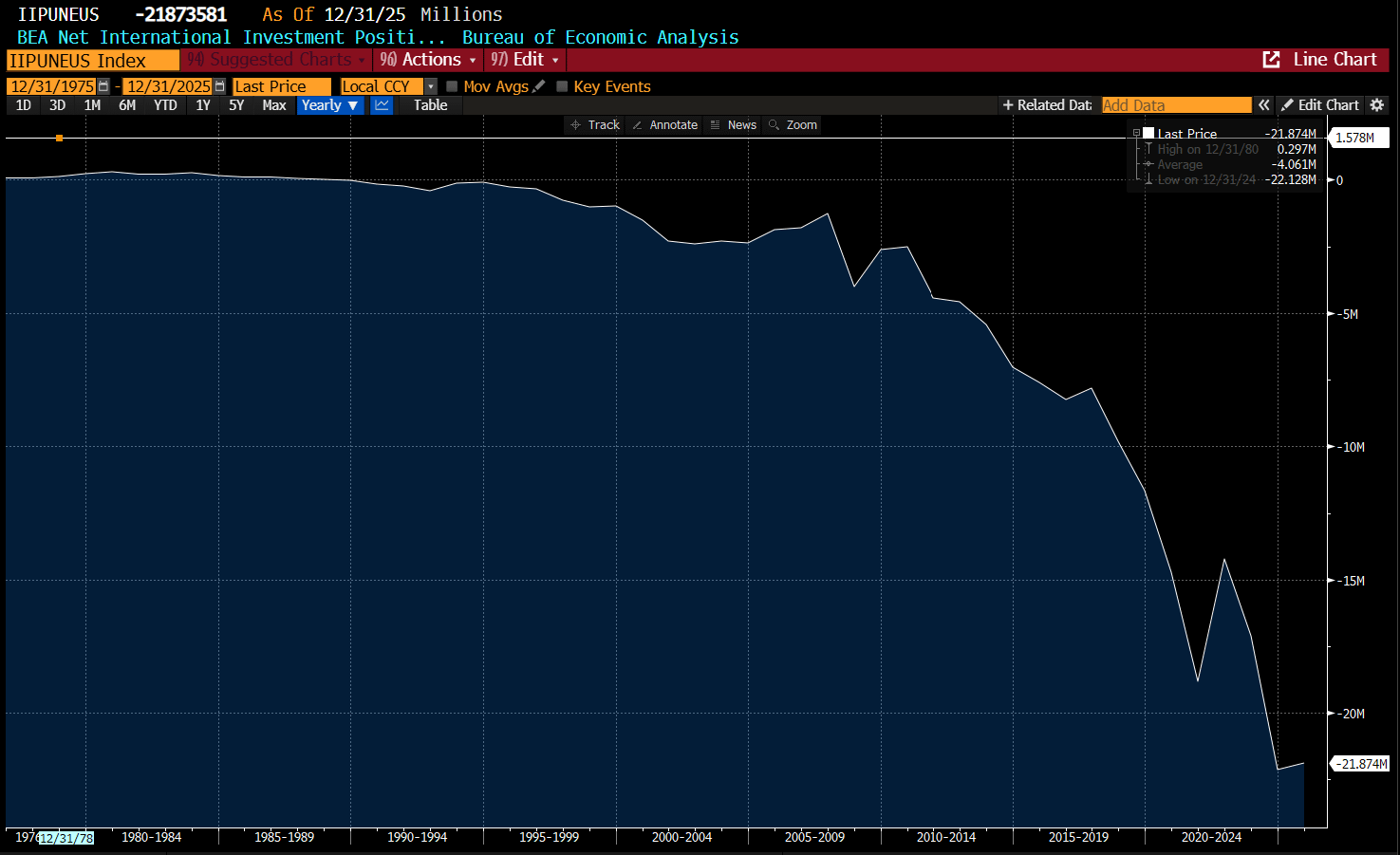
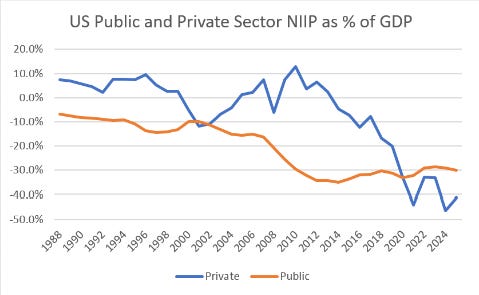
I tried to be more sophisticated with NIIP analysis, by stripping out central bank holdings of treasuries and using GDP as a denominator. Still looks scary. Adjusted NIIP topped out at 10% of GDP in 2000. Today we are 4 or 5 times that level.
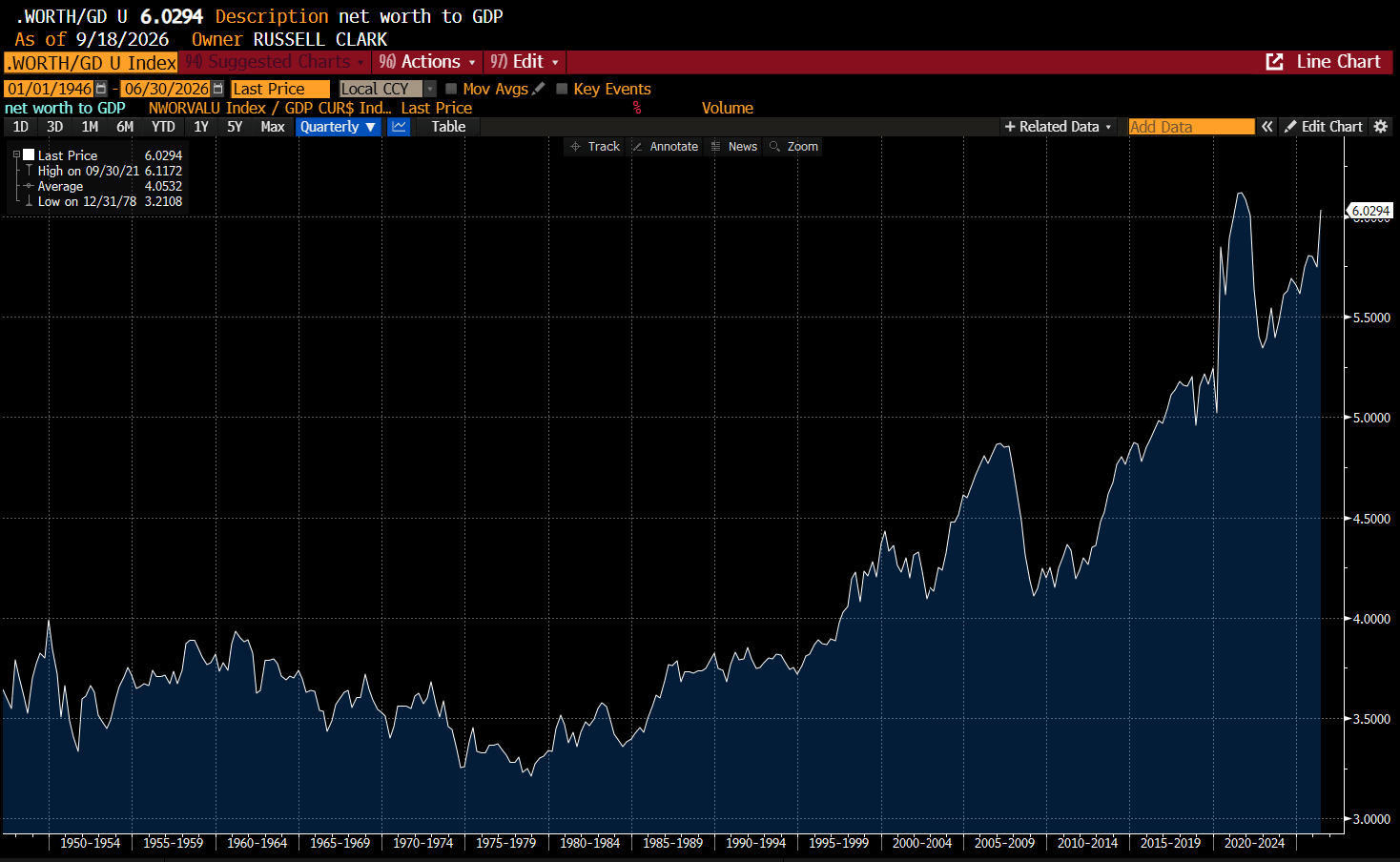
The other similar chart that gets the macro community worked up is Fed Flow of Funds Net worth to GDP. 300 to 400% was the norm. Now we live at 600%.
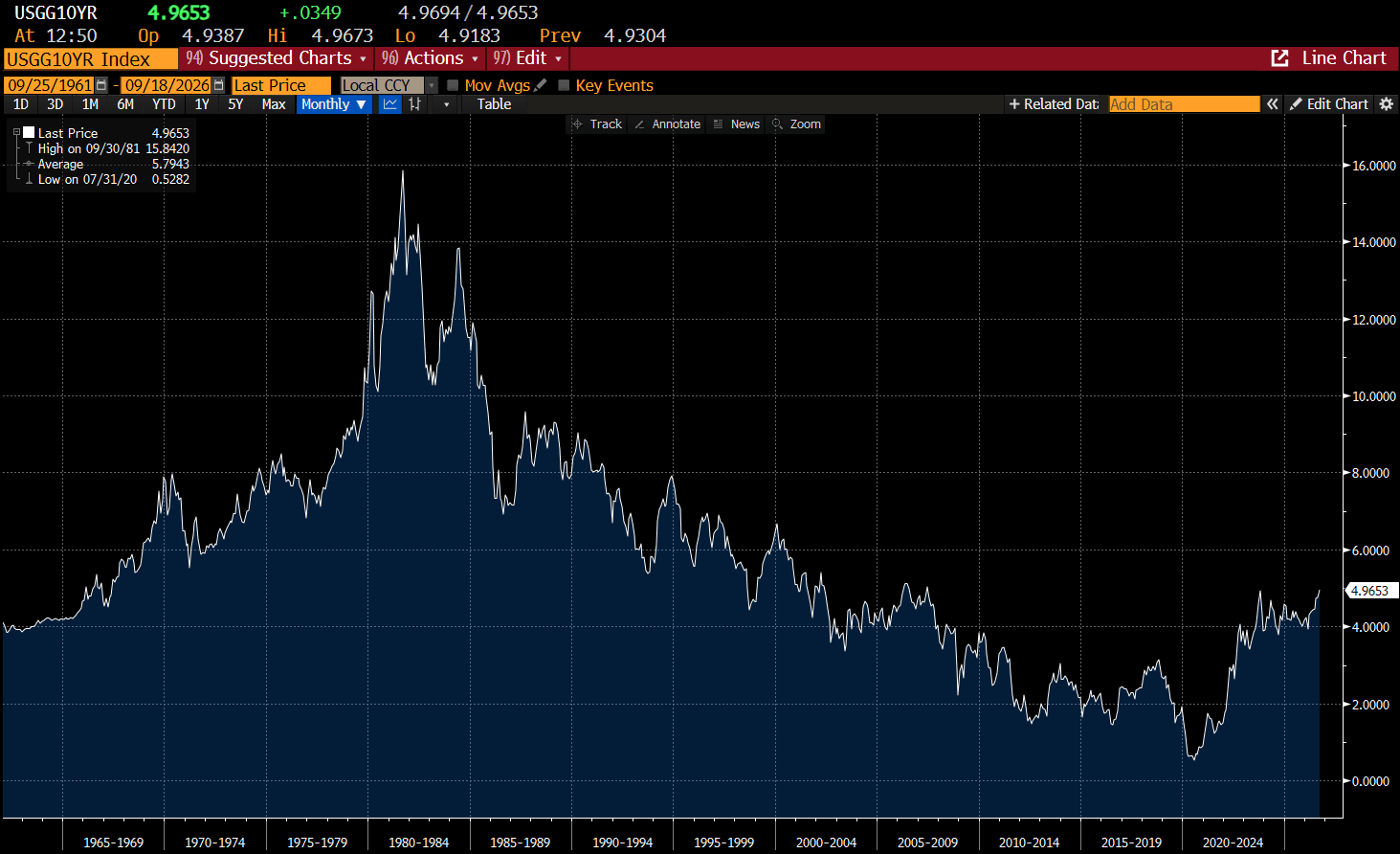
Basically the combination of macro extremes, and a history of crises through the 1990s and 2000s makes many people naturally bearish, and I sympathise with this view. But as mentioned, this macro view broke down 10 years ago. I think there are now much better things to look at. So “old macro” was all about getting prices, and the cost of credit down. One thing about all the crises listed above, is that drove US treasury yields lower. I would argue that the “point” of these crises was to get lower prices and lower bond yields.
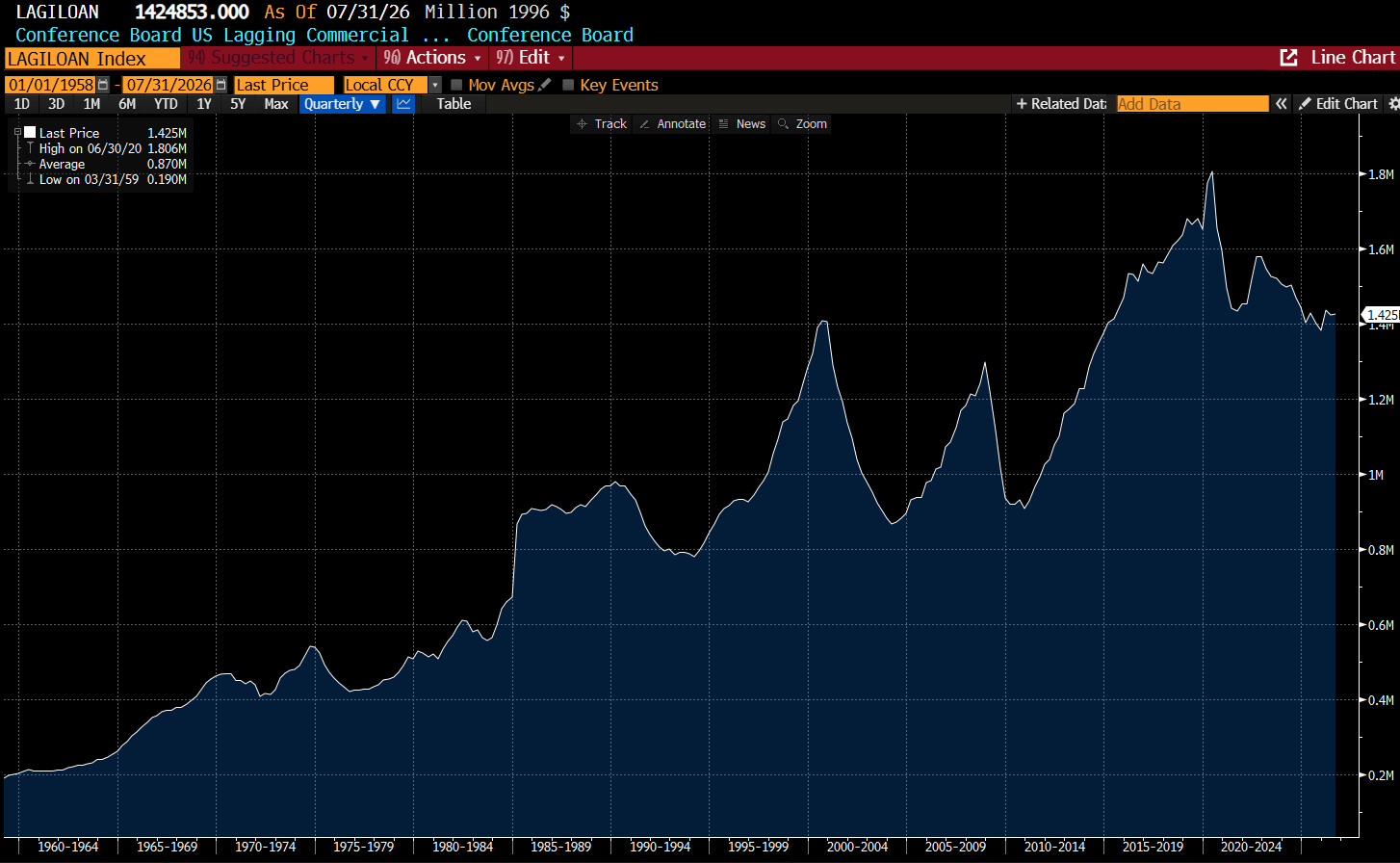
Growth during this loan period of falling yields was driven by credit growth. When banks were lending, all good. When they pulled back, problems. But the problem was that debt levels had gotten too high, and so a new growth model, was needed. In essence, wages needed to rise to get debt levels down. And we are seeing this in the data. The Conference Board in the US produces an index of Commercial and Industrial loans, deflated by 1996 prices. Loan growth matched up with booms and busts, until 2020, when loans have fallen in real terms. Or in other words, credit growth is not as important as it was.
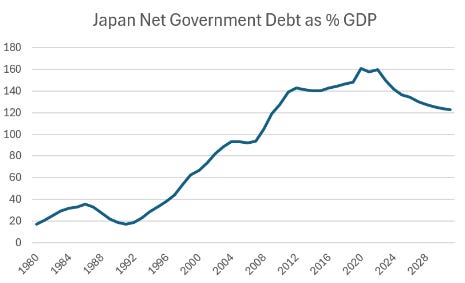
Changing politics has changed macro. In Japan, rising inflation has helped make government debt levels look better.
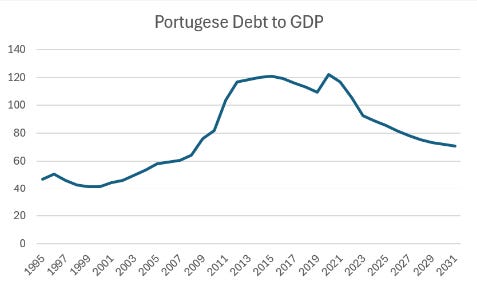
We see similar dynamics at play in Europe, where inflation and some growth has restored fiscal health to some southern European nations.
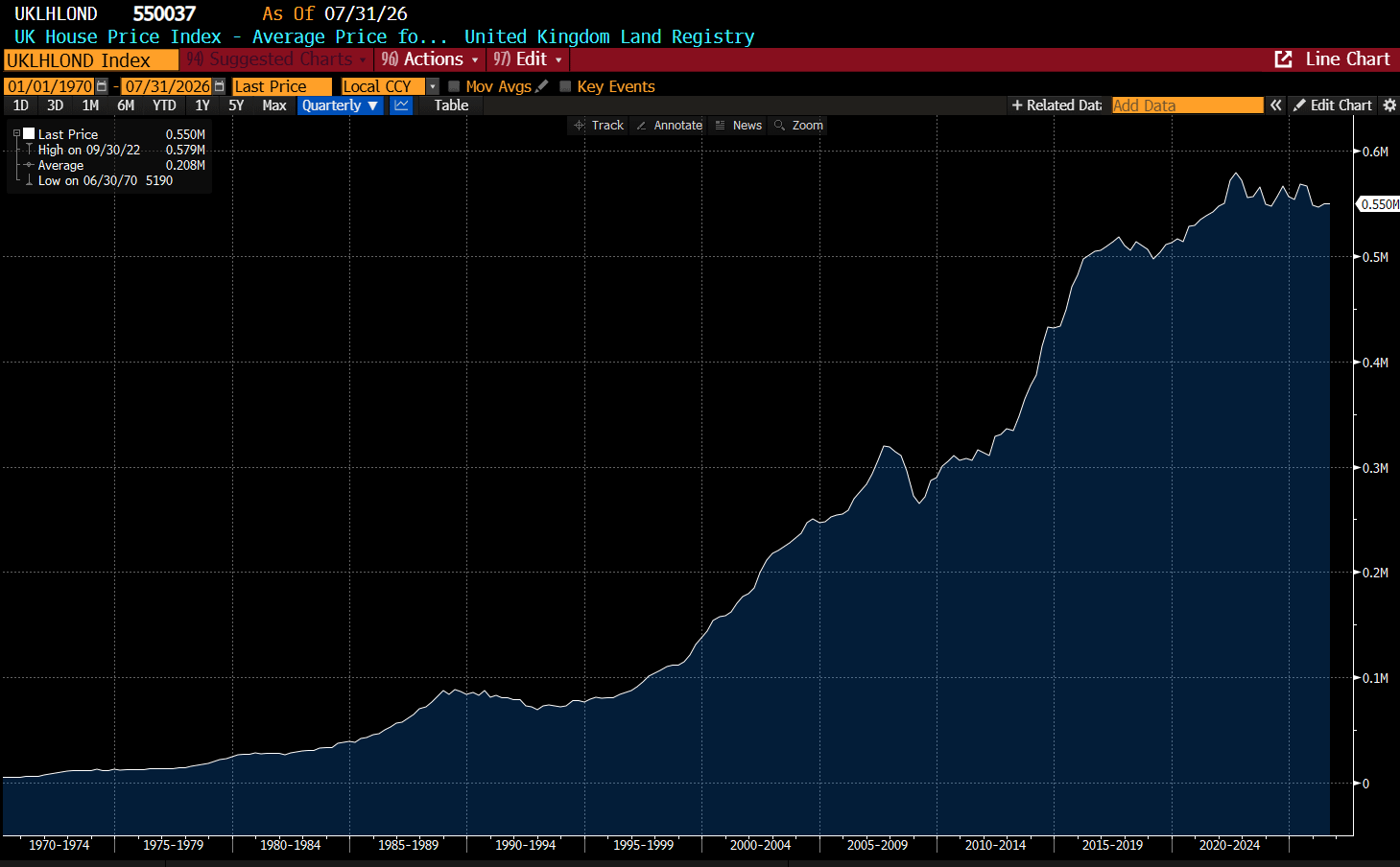
Inflation (particularly wage inflation) is the growth engine when credit markets need to be tamed. And politically credit markets needed to be tamed as assets, particularly housing had become too expensive. You can see London house prices have levelled off.
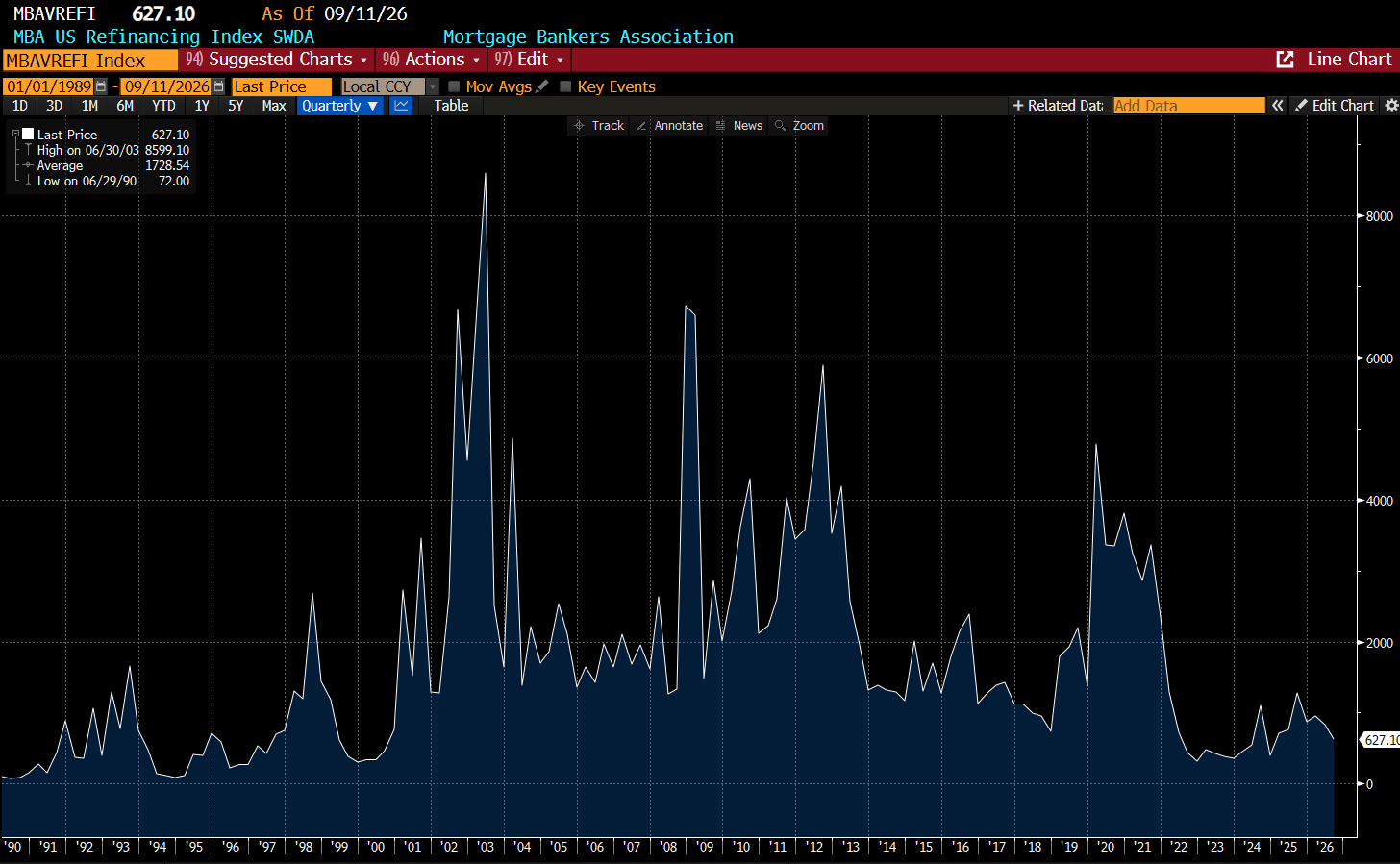
Or in the US, a refinancing boom has been ended by rising yields. Flat house prices, or the end of a refinancing boom, would be “macro-bearish” - no longer.
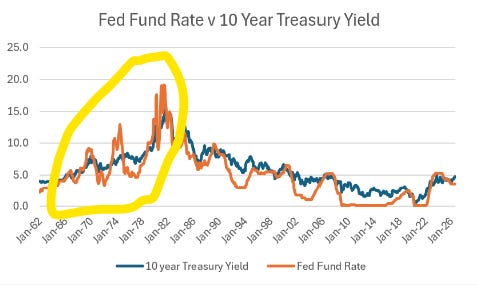
But the macro change that has really destroyed macro thinkers is that the 10 year treasury yield no longer act as a ceiling to Fed Fund Rates, but as a floor. From 1980 onwards, when the Fed Fund Rate rose to 10 year Treasury yield, growth would slow and yields would fall. But back in the 1960s and 70s, the 10 year was more of a floor. It was the level that markets thought was appropriate, and when the Fed Fund Rate fell below that level, inflation took off again. We are now back in the 60s and 70s, which makes macro based on bond market signals look bad.
The big political and macro question is when do yields get so high, they cause a political change again? Some day, but not today. Take care when listening to “old school” macro thinkers.


