


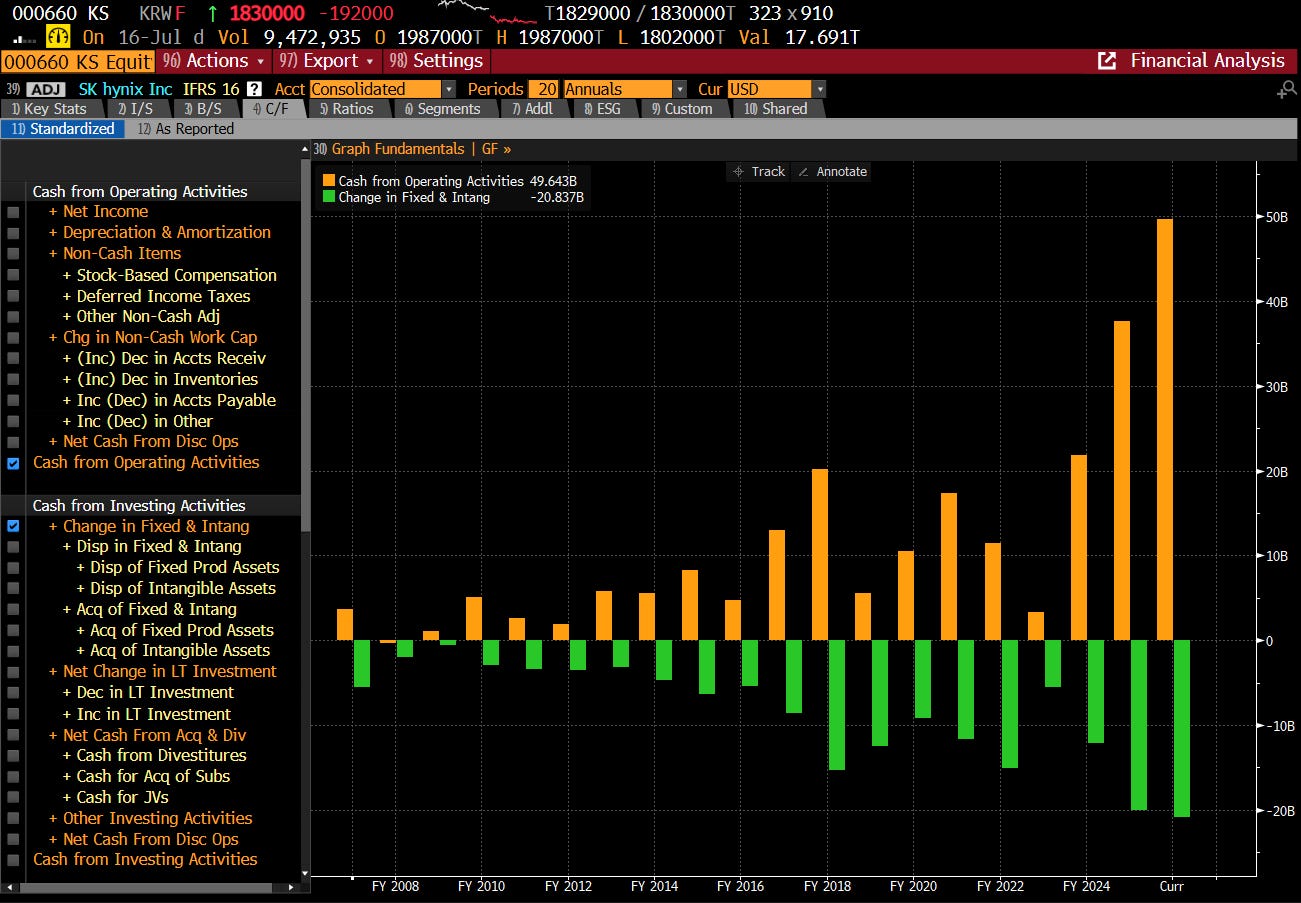
From a peak in June, SK Hynix, a DRAM and NAND manufacturer has seen its share price fall 37%. Given the huge run up over the last year, this still leaves it well above its 100MDA.
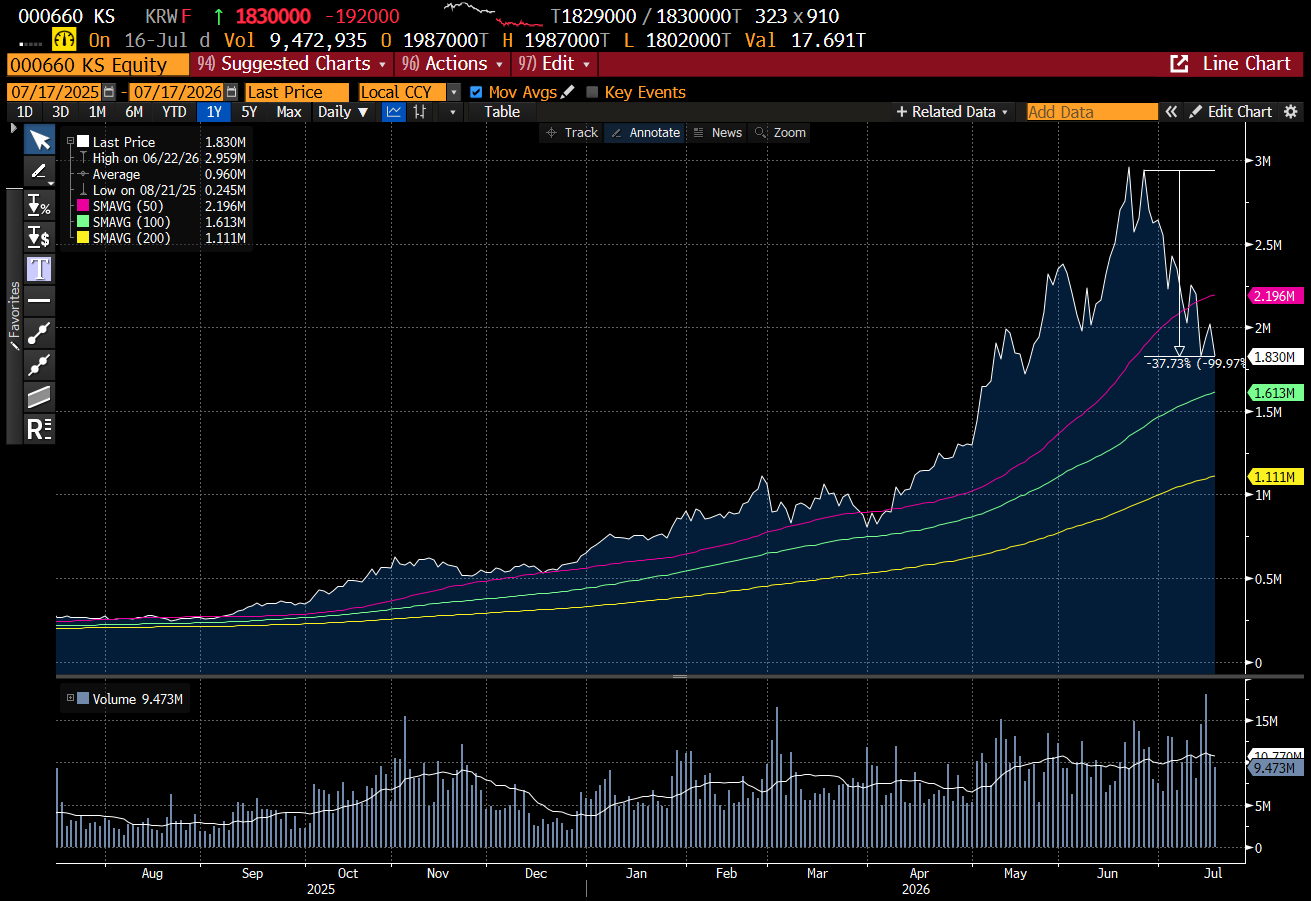
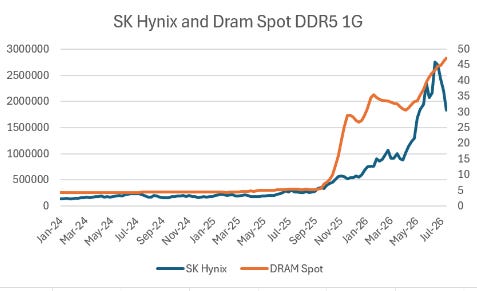
Generally speaking, SK Hynix follows the DRAM price. So it is odd that it has been weak as DRAM prices have hit new highs.
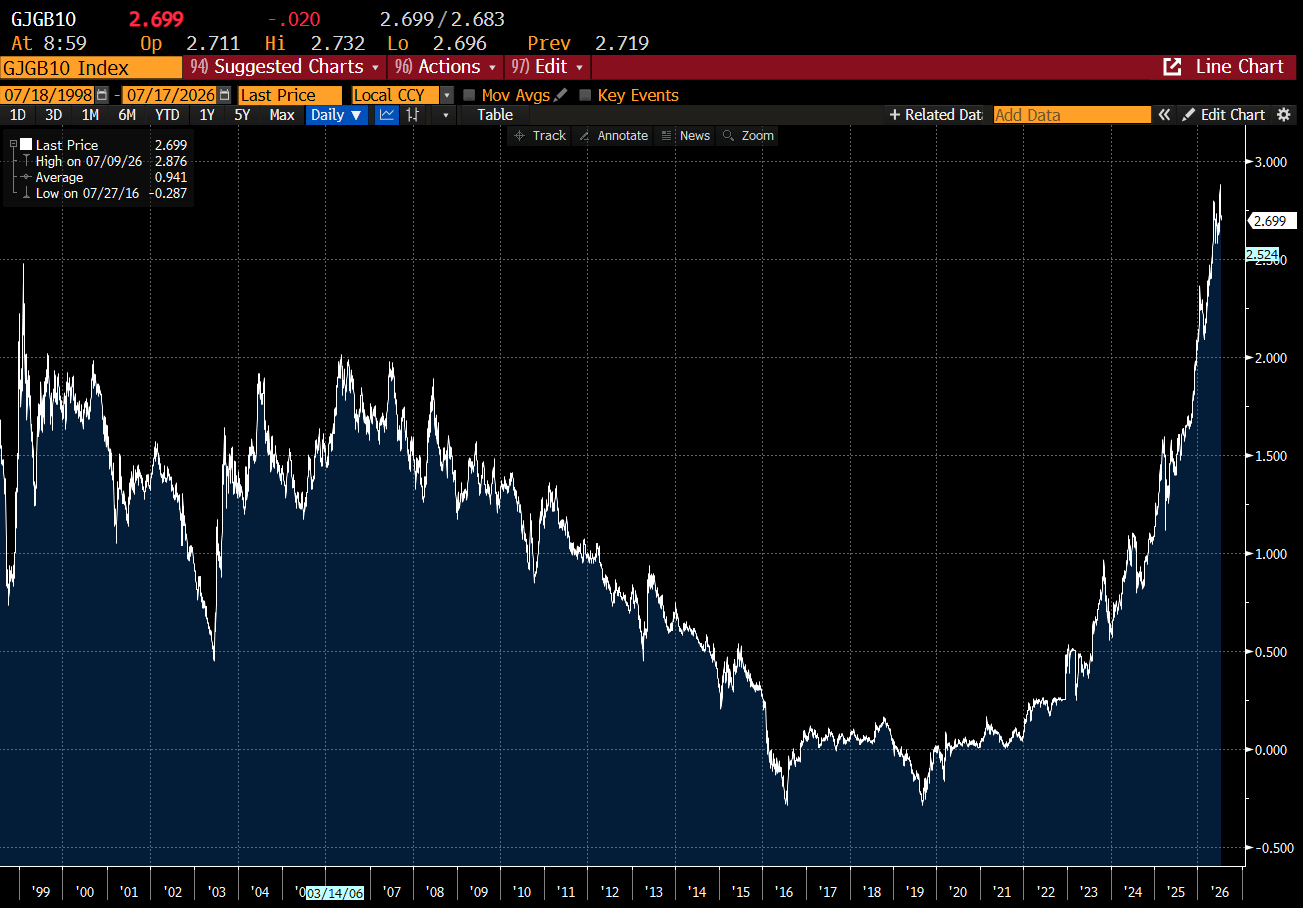
You could perhaps argue that we have hit the end of the AI trade - and capex is going to be cut, as we saw all the way back in 2000. This is of course possible, but the JGB market gave a pretty good heads up that we were heading to a deflationary environment back in 2000. These days it keeps sending an inflationary signal
Much more likely is the announcement that SK Hynix will double capex to help reduce memory short fall has been the negative priced into markets.
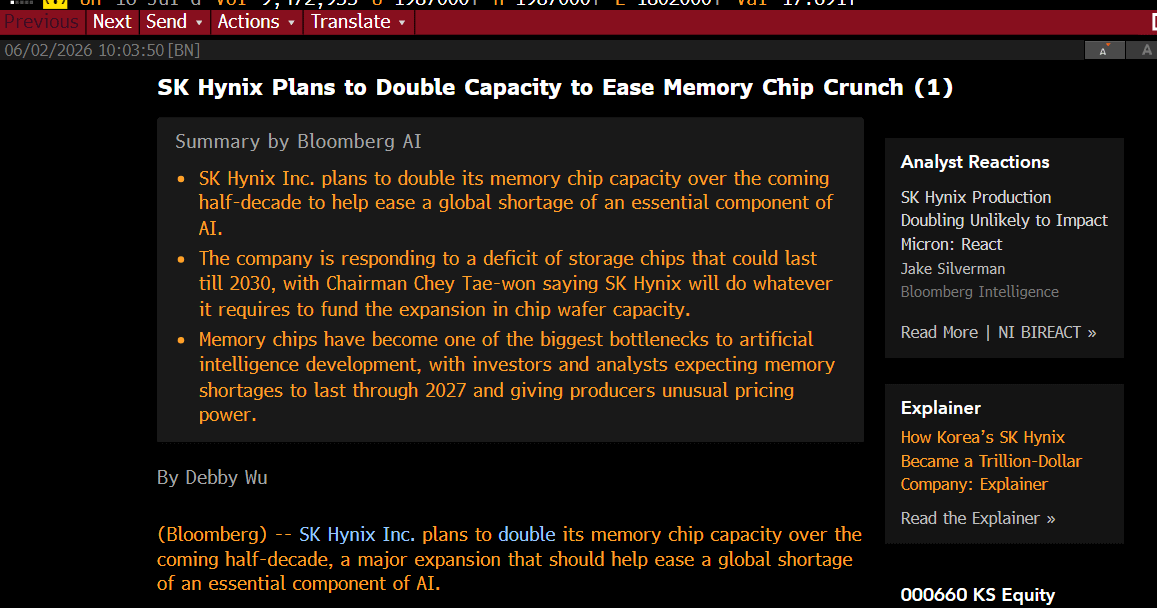
The market does not like capex. An increase in capex makes it more likely it becomes cashflow negative in the future. This is both as natural consequence of spending more, and the second order effect of increasing supply leading to lower prices.
A similar logic has been holding back the hyperscalers, who have been lagging the market for a year now.
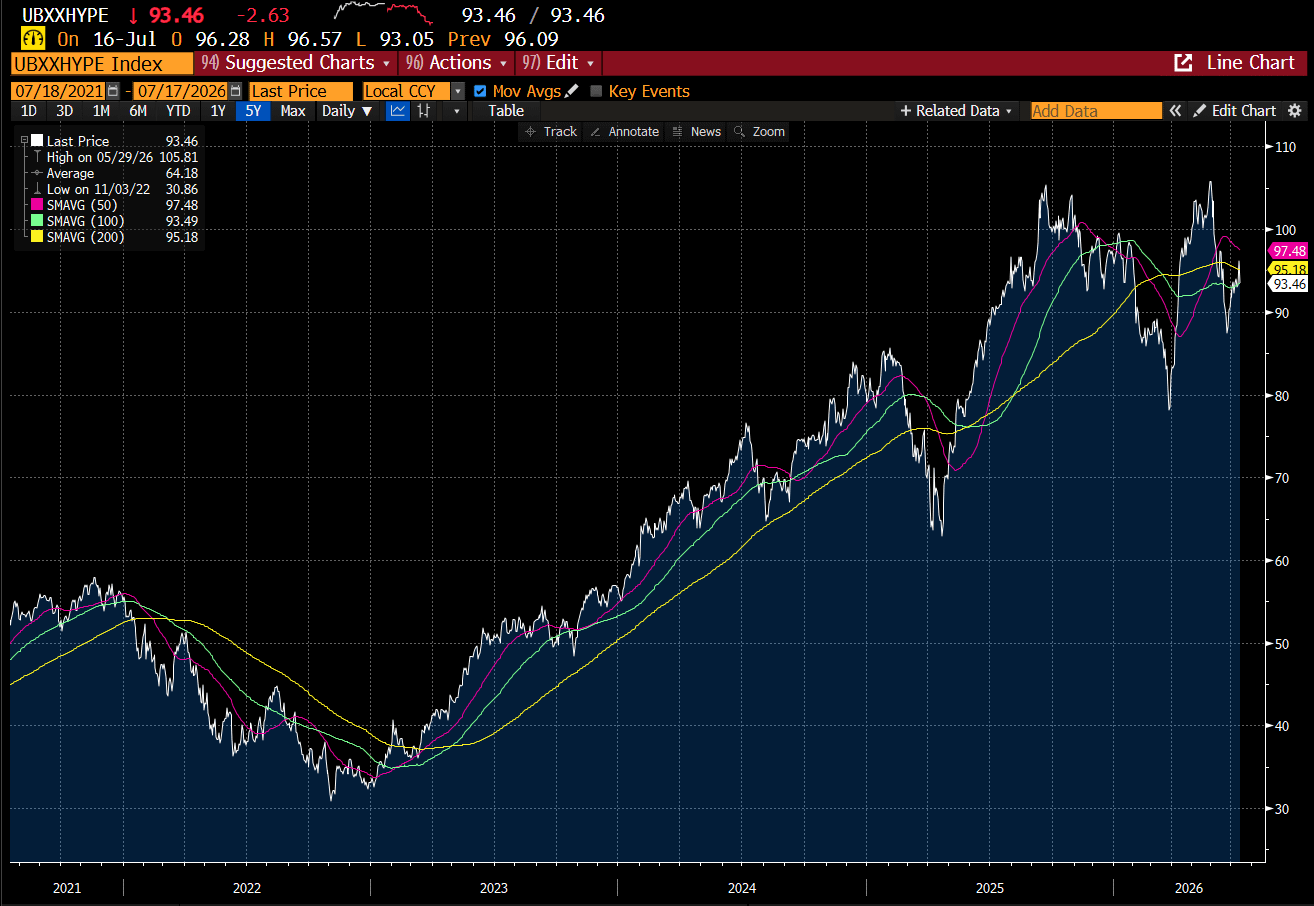
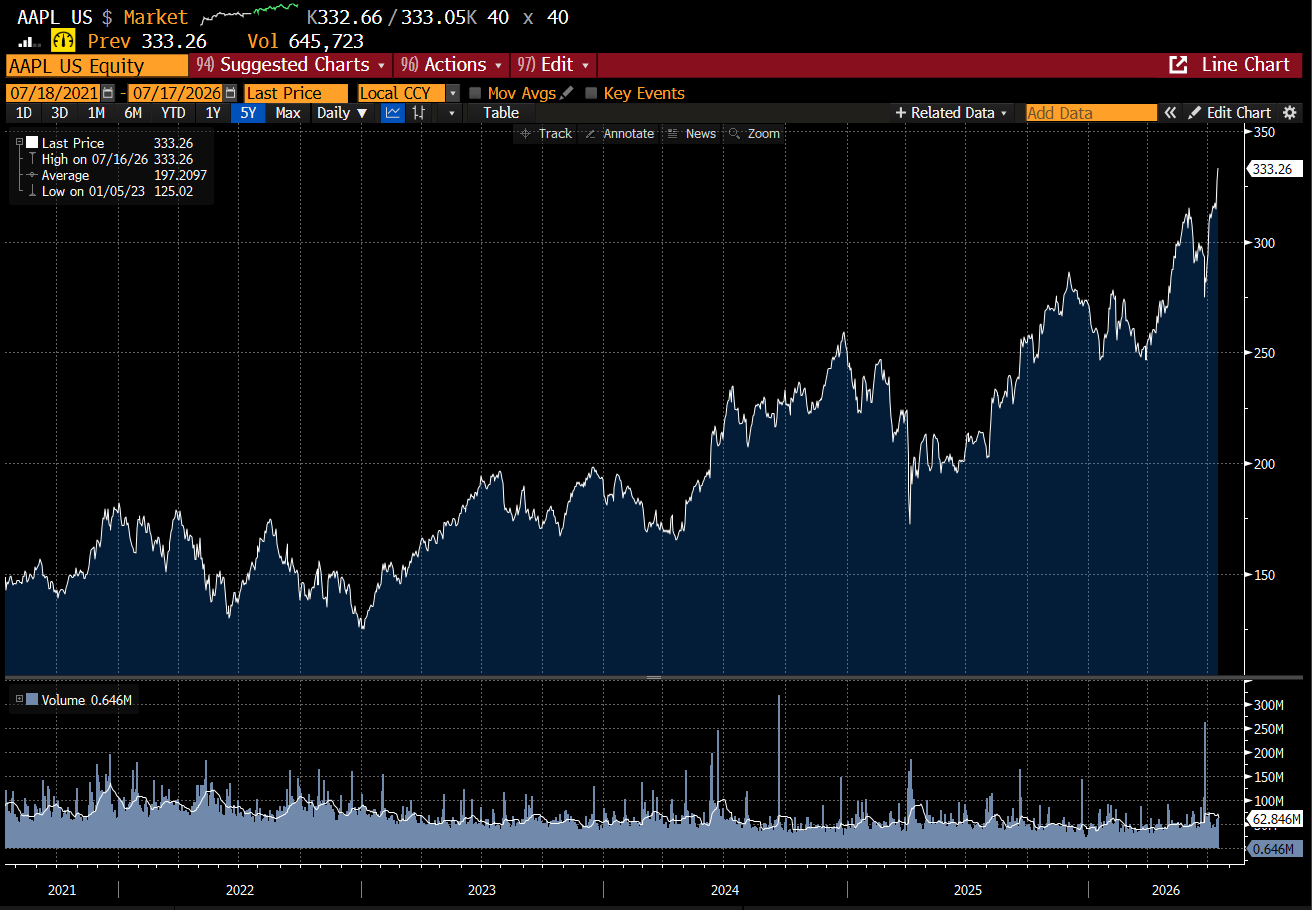
Even more intriguing has been the break out in that decidedly non-capex spending company, Apple.
Apple, has not raised capex in years, despite surging cashflow.
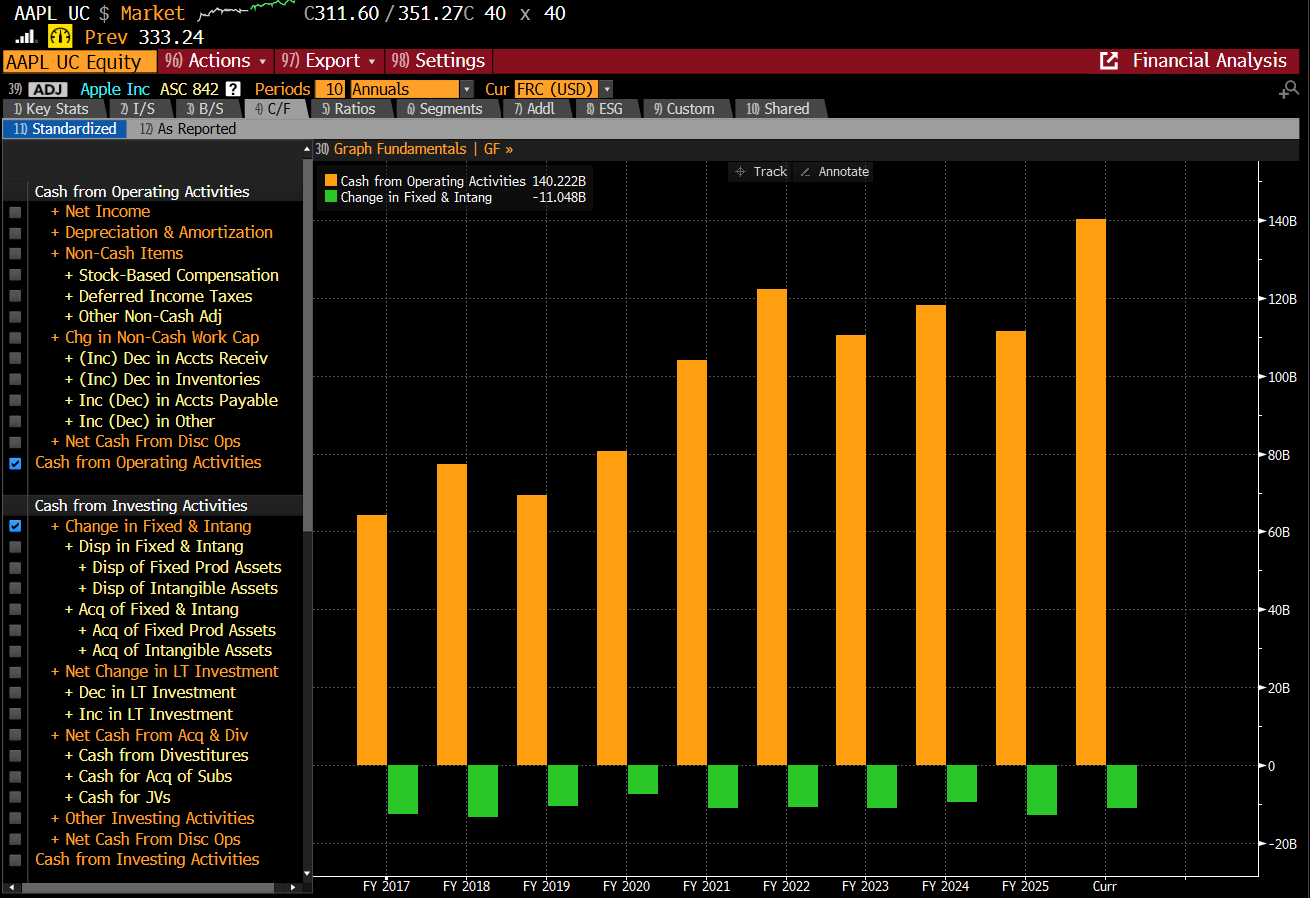
This is where this market gets very interesting to me. You have Warren Buffett style capital discipline in Apple, up against Elon Musk style capex heavy investing. Both have become rich with very different investing styles. Steve Jobs probably would have Apple investing as well, as he would no doubt fear that Apple could become obsolete, while the money managers are happy to see capital returned. And this I think goes to the heart of the problem for the markets. Not investing keeps cashflow high, but exposes you to competitors, something that is being priced into other software companies. My view, which remains unchanged, is that with SpaceX entering the AI race, everyone has to invest. If you see capex spend as negative - then being bearish is correct. But if you bearish think that capex is going to suddenly stop, and prices are going to collapse, then I think that is far less likely. And this seems to be what sovereign bonds are saying too.


