

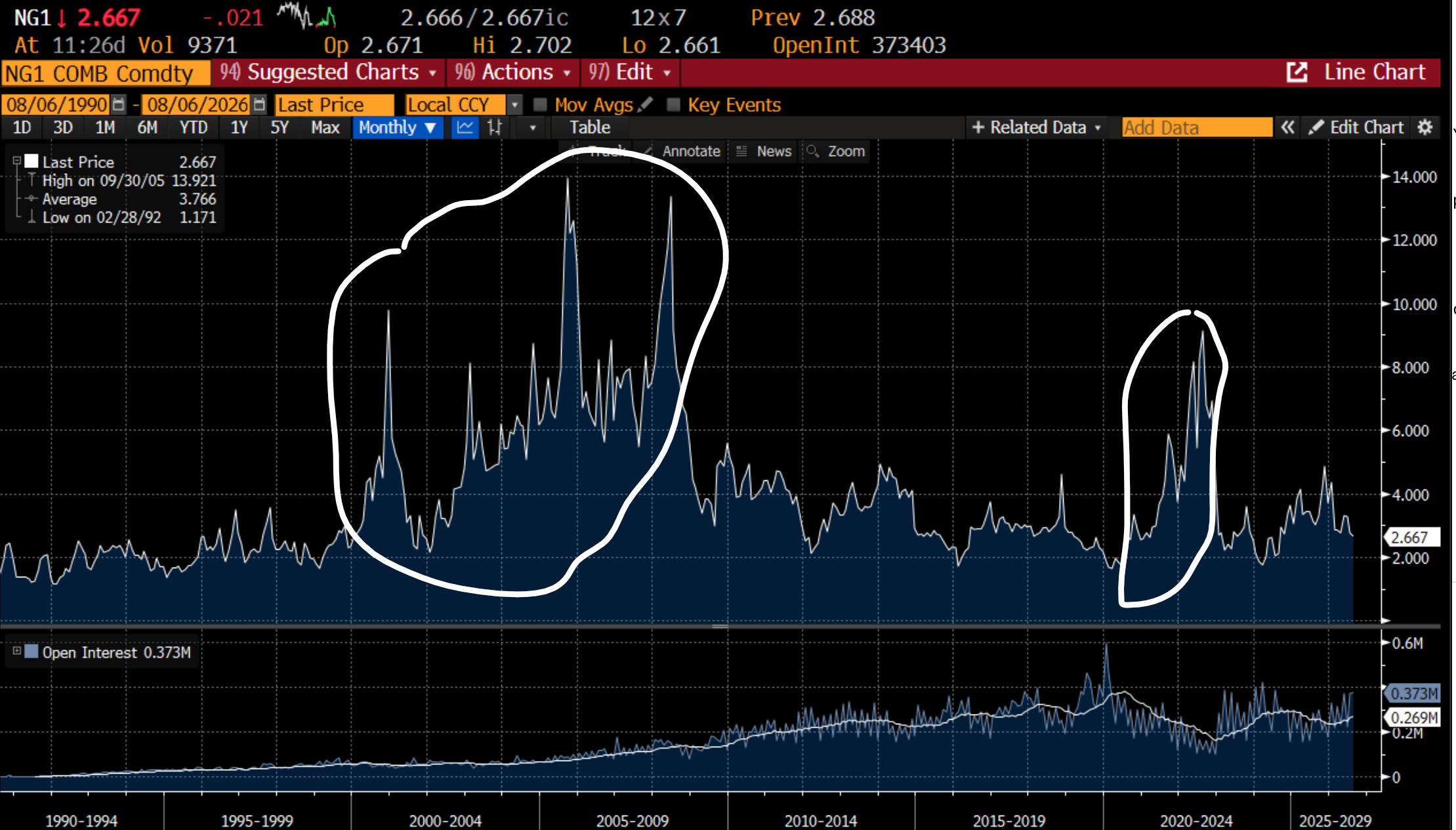
Technology changes, and the world changes. Back in the original dot com boom, a tightening of the energy markets in 2000 heralded the end of the tech boom, and a rising China then drove an old school “commodity super cycle”. For investors of a certain age (lets say 50 or so), this confirmed an old rule, oil is the dominant driver of markets and economics. Spiking natural gas prices in the US tended to be a catalyst for recession and bear markets.
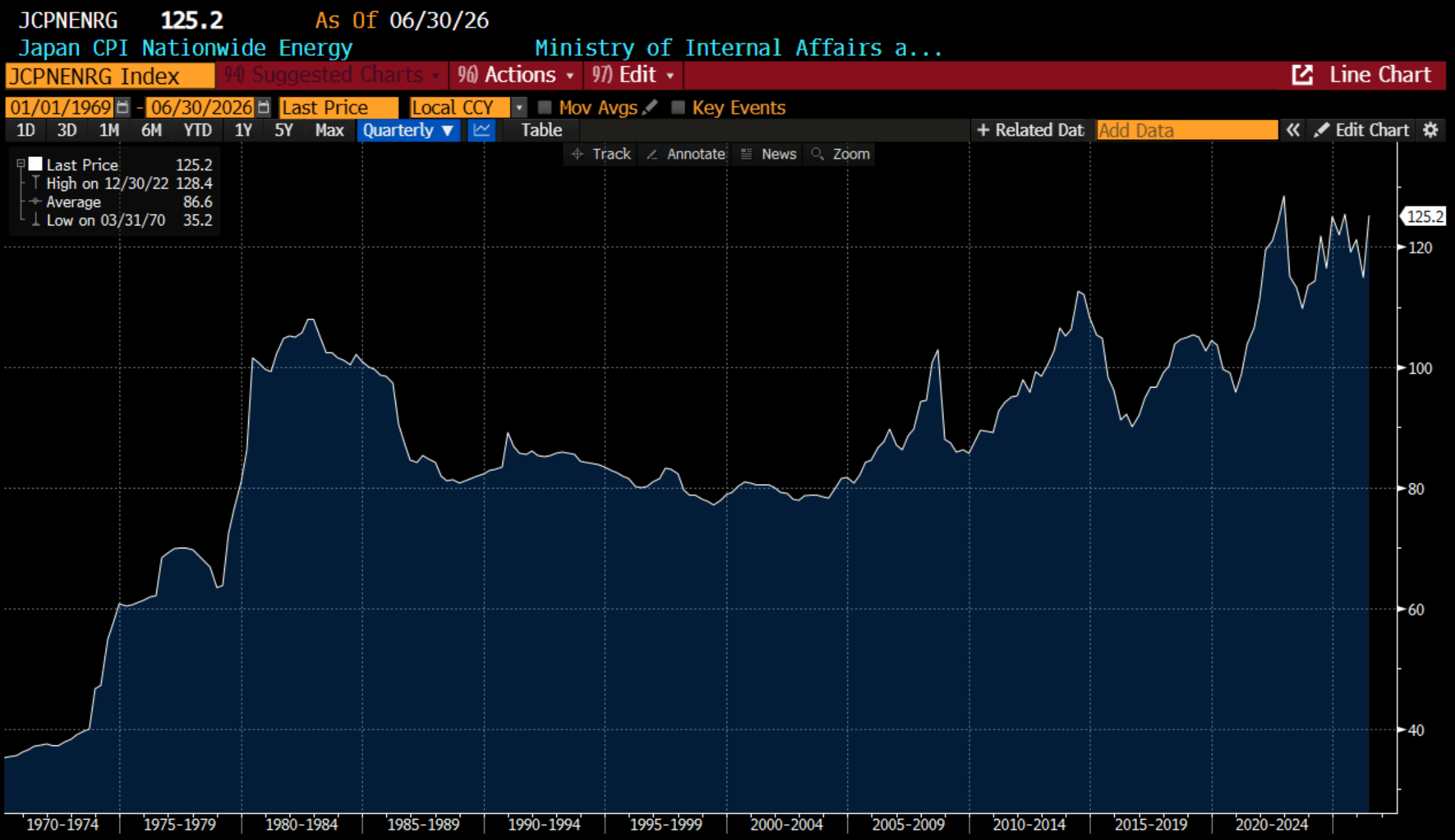
A similar dynamic was at play in Japan. Rising energy prices tended to coincide with weak equity markets, and poor growth. Here we can look at Japanese Energy CPI has a proxy. The period from 2007 to 2011 was particularly dire for Japan. But despite high energy prices from 2020 onwards, Japanese economy and equity markets has been fine.
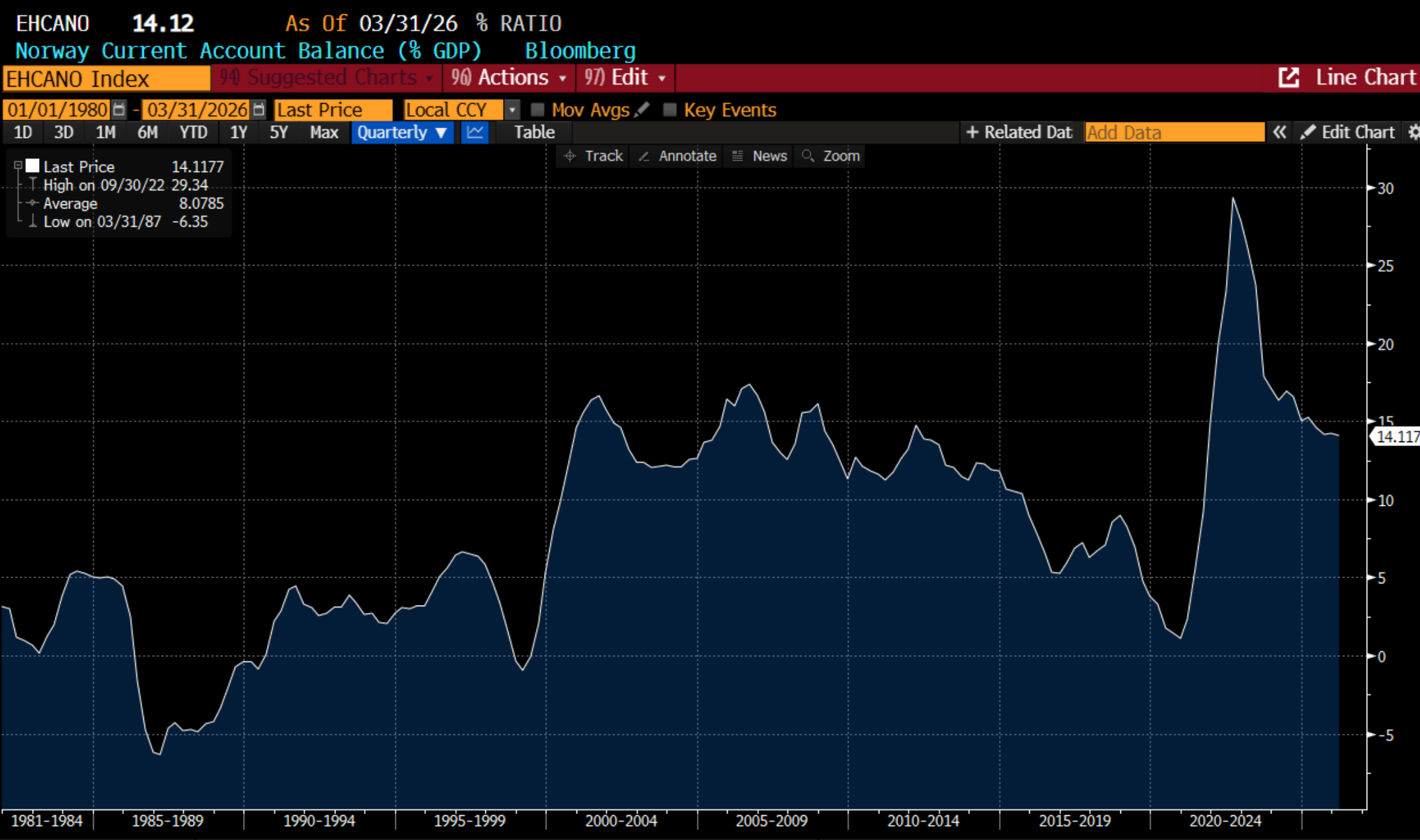
Being an oil exporter was (usually) the only way to record a very high current account surplus. Norway for instance has had a current account surplus over 10% for most of the 21st century.
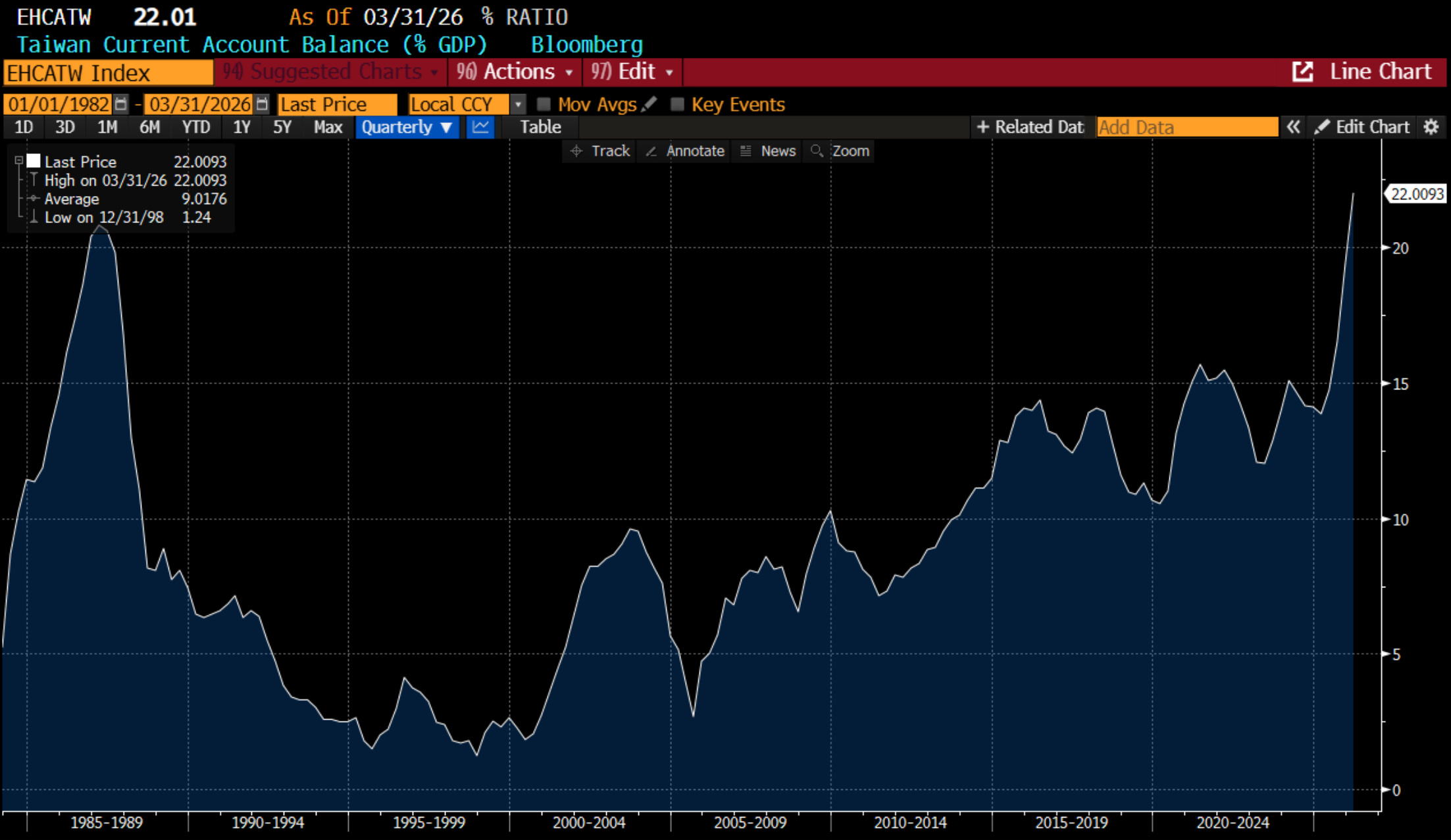
Taiwan now runs a 22% of GDP current account balance, with Korea not far behind.
Korea has always been a diversified export powerhouse - but now semiconductors dominate.
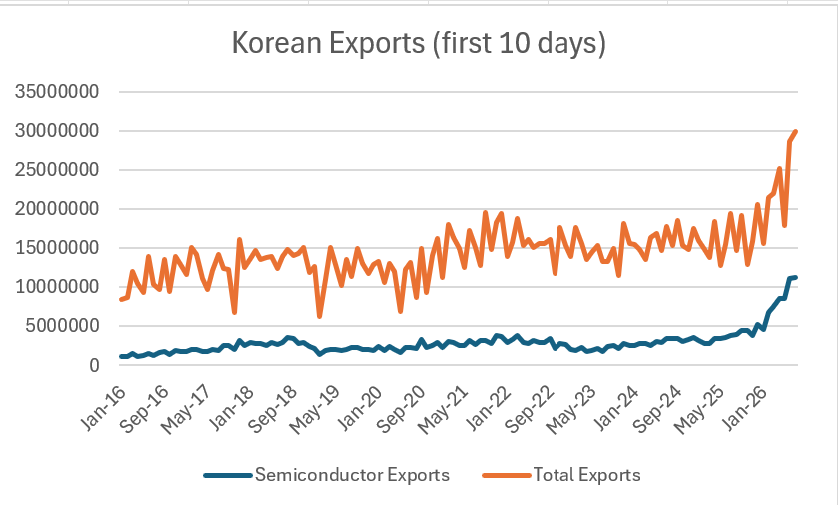
The big change is that semiconductor pricing no longer falls.
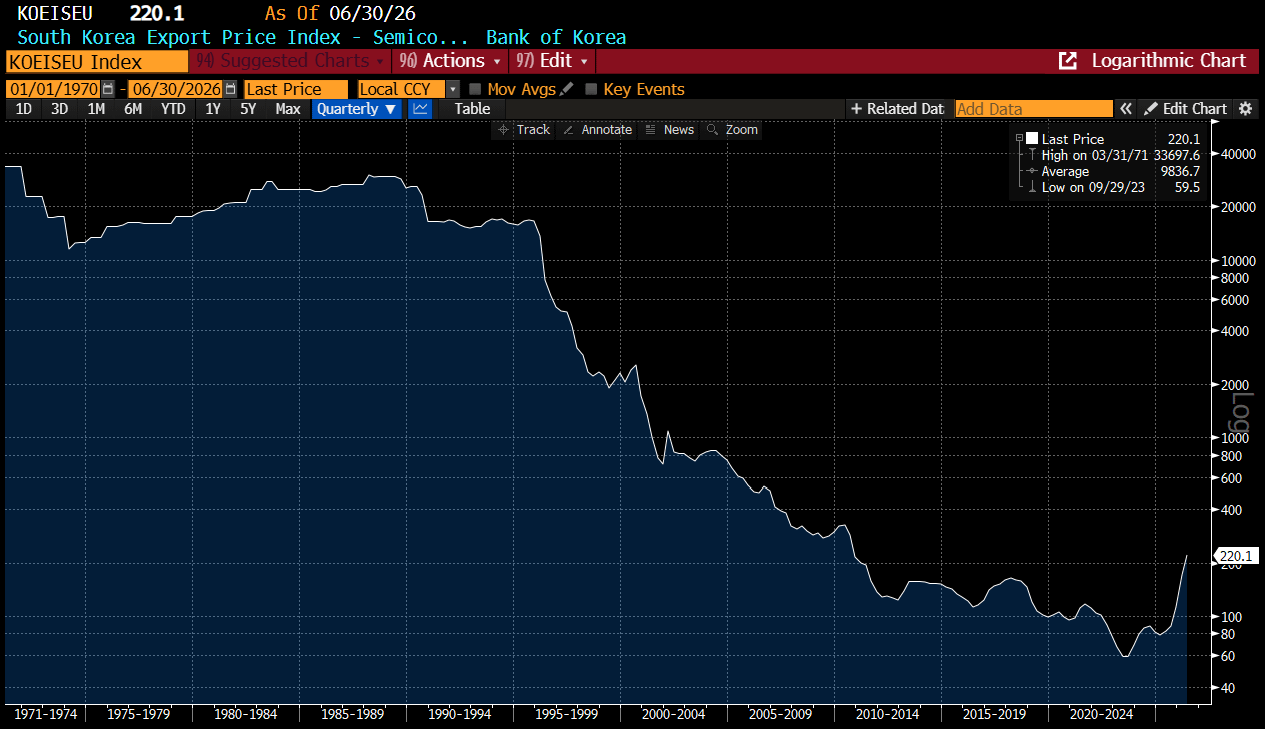
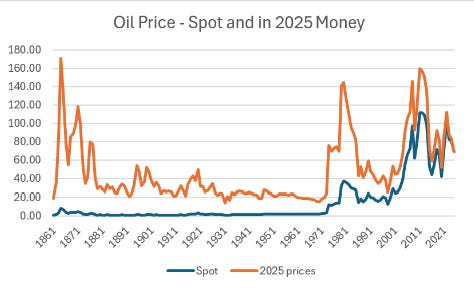
This is the log scale of semiconductor pricing. But oil was very similar. For decades the crude price of oil was fixed, but when supply became restricted, oil pricing surged, and the modern macro world was born. In real terms, oil fell through most of the 1900s. I expect when oil spiked, it was as great a surprise as I feel looking at DRAM prices up 500%
And as we have seen rising semi prices is NOW good for the equity market, even more than the negative of rising oil prices. The surge in oil prices this year, historically associated with weak equities. Not this time. The big question is whether surging semi prices are come to be seen as inflationary or not? It seems like they should be.
The other very interesting comparison to oil, is that the US great economic rival has a very different approach to semiconductor industry. The USSR kept energy prices low, even during the 1970s, which undoubtedly was seen as a political and economic advantage at the time. China seems to be pursing a similar economic model where AI is cheap, but so is its semiconductor pricing. SMIC prices much cheaper than TSMC (not totally apple for apple comparison - but indicative).
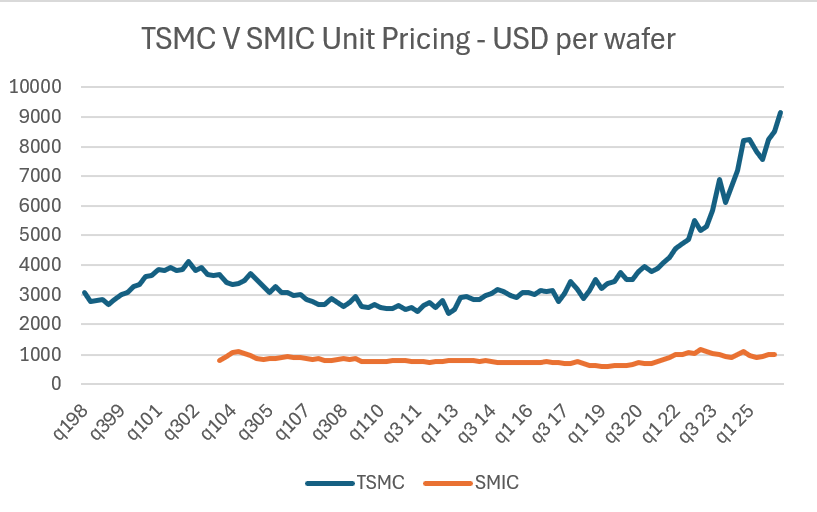
Chinese AI pricing is also much cheaper than the US. The “great” thing about capitalism is the boom/bust cycle does mean that capacity gets built, as pricing encourages it. In China, given pricing and the lacklustre equity performance, it must be driven in some parts by diktat.
What are the implications of semi as the new oil? Well one would be that central banks should be raising interest rates more. Korea has started to raise rates.
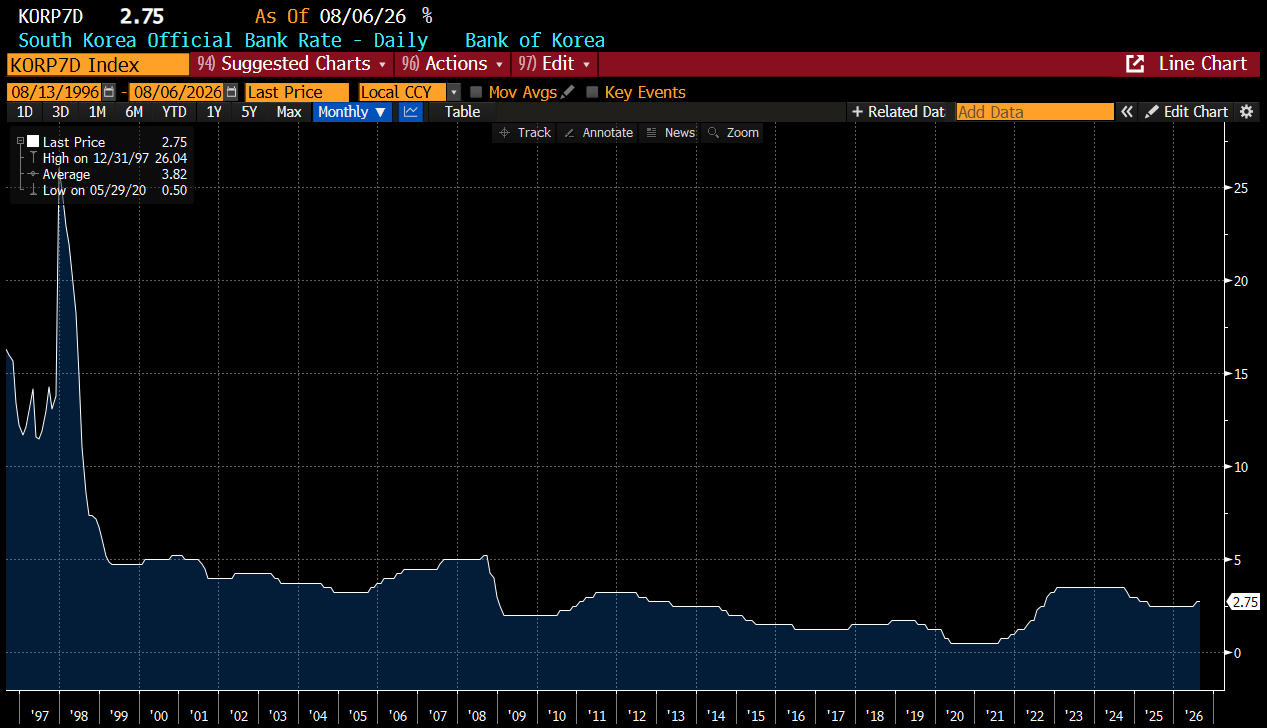
Given the enforced supply restraint on semiconductor supply (ASML monopoly, and restrictions in China), the only way pricing can fall is if a monetary policy is used to create a recession. This was what happened in the 1970s, until supply side reform saw an increase in oil production. From a practical point of view, the implication is that inflation and interest rates are likely to go higher.


