

I will be at the NZZ bar from 4.30 to 6pm at Zurich HB tomorrow, and Café Tartines - Champel in Geneva from 8am to 9am on Wednesday if you would like to say hello.
I have tended to make fun of “macro” analysts on this Substack - mainly because they are such easy targets. One of their consistent problems is that they apply economic or accounting logic to sovereign bond markets. Through the mega bull market in bonds, were bearish all the way up (or as yields went lower). Short JGB trade was called the widowmaker because so many of these analysts convinced hedge funds there was no way 10 year JGB yields could fall below 2%. They or course went to negative yields for a while.
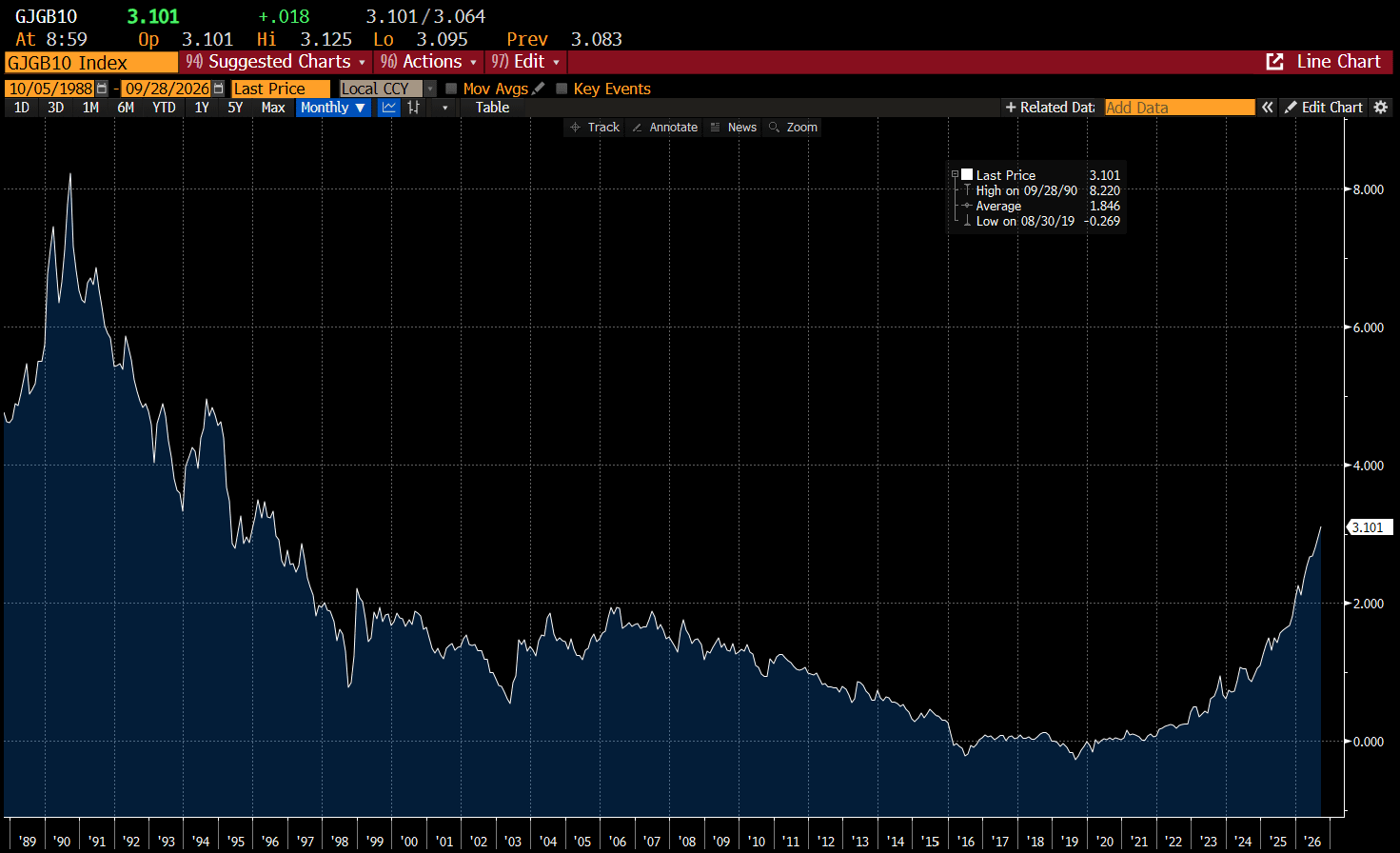
Now, the “macro” analysts are not bearish on US treasuries, even though the 10 year treasury yield is through 5.2%
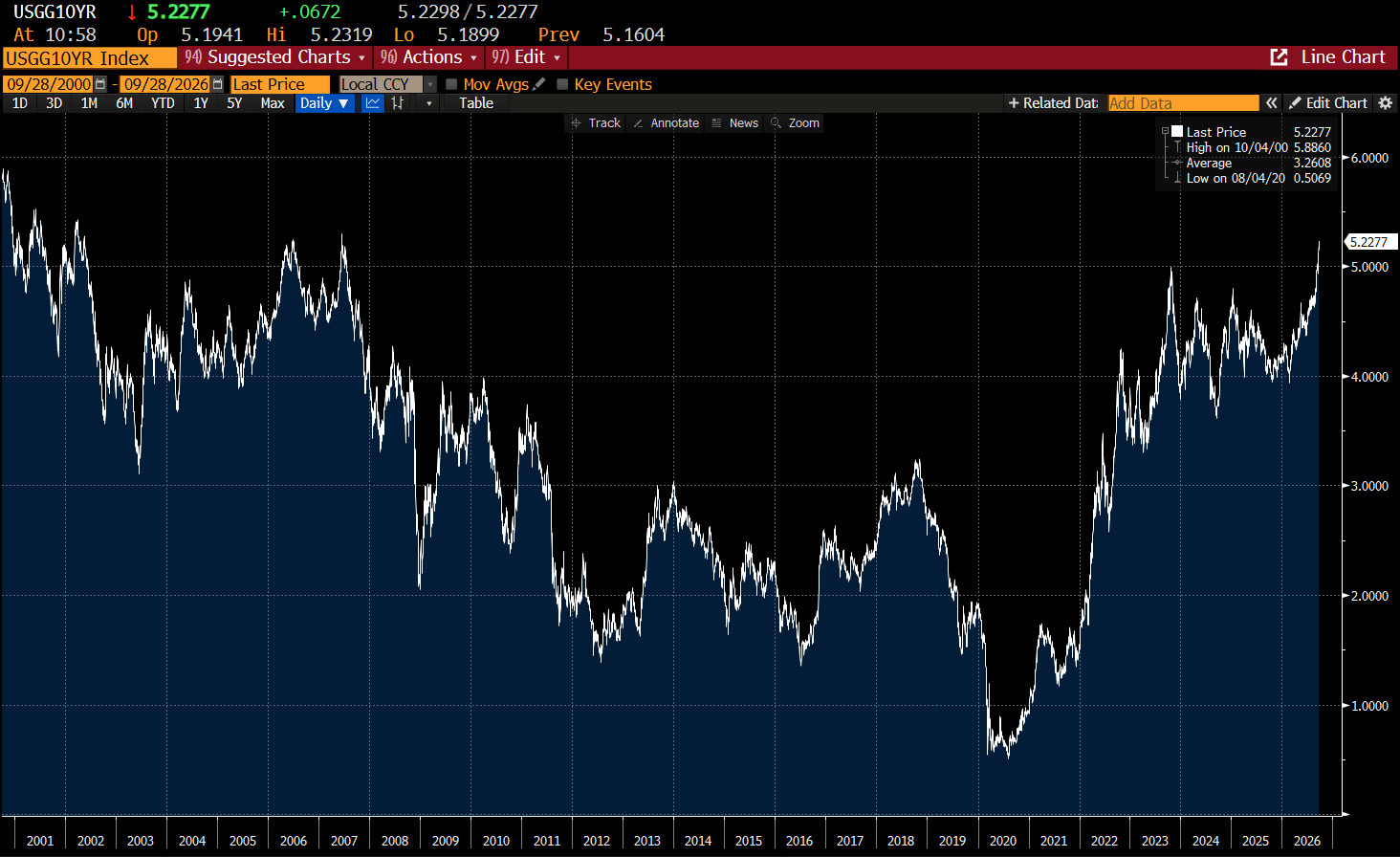
So why are the macro “analysts” not that bearish. Their argument, in simple terms, is that the US cannot afford the interest payments, and hence will be forced into “financial repression”. In other words, government will control or force yields lower, and hence you should not be bearish bonds - but bullish “repression trades” like gold.
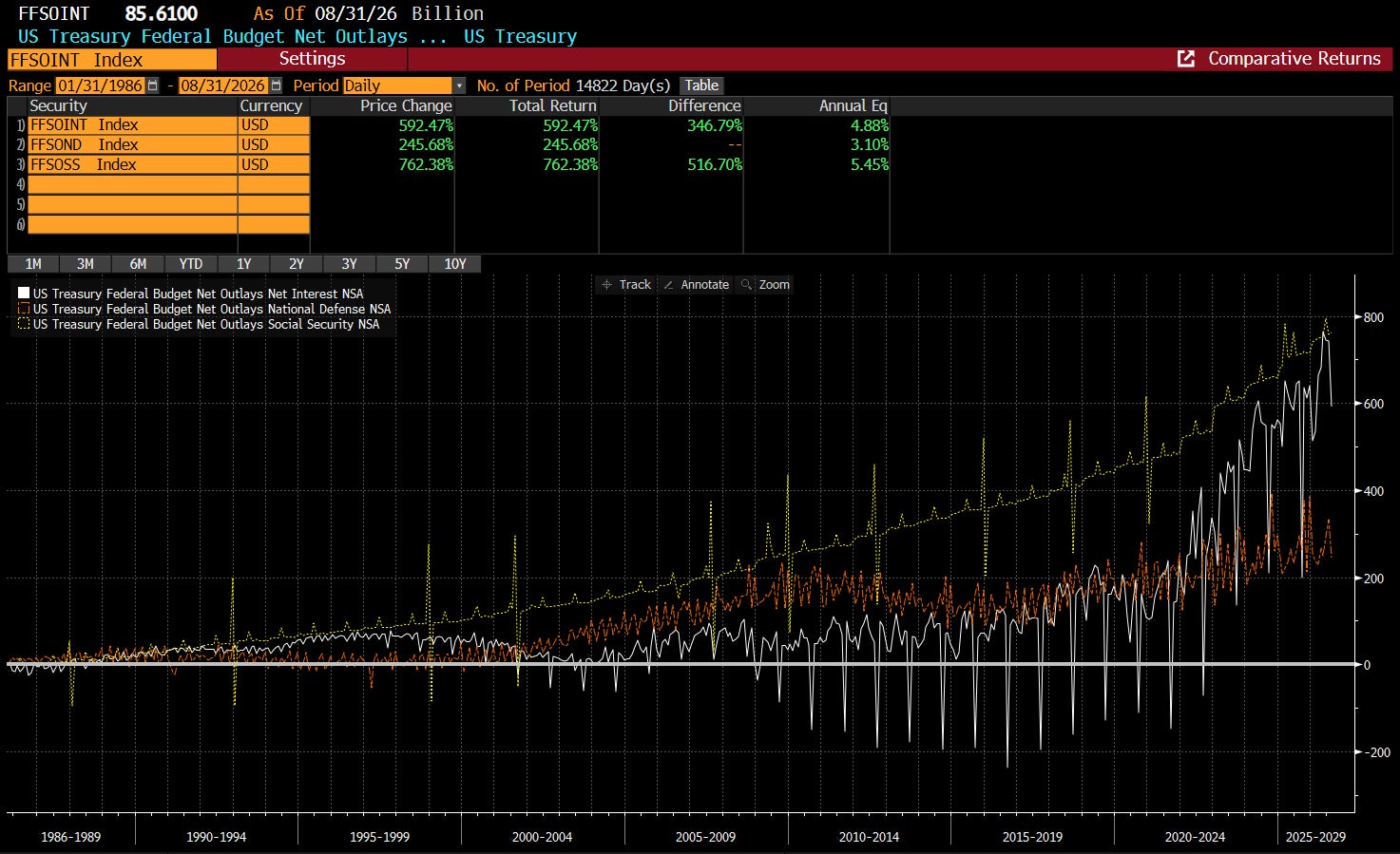
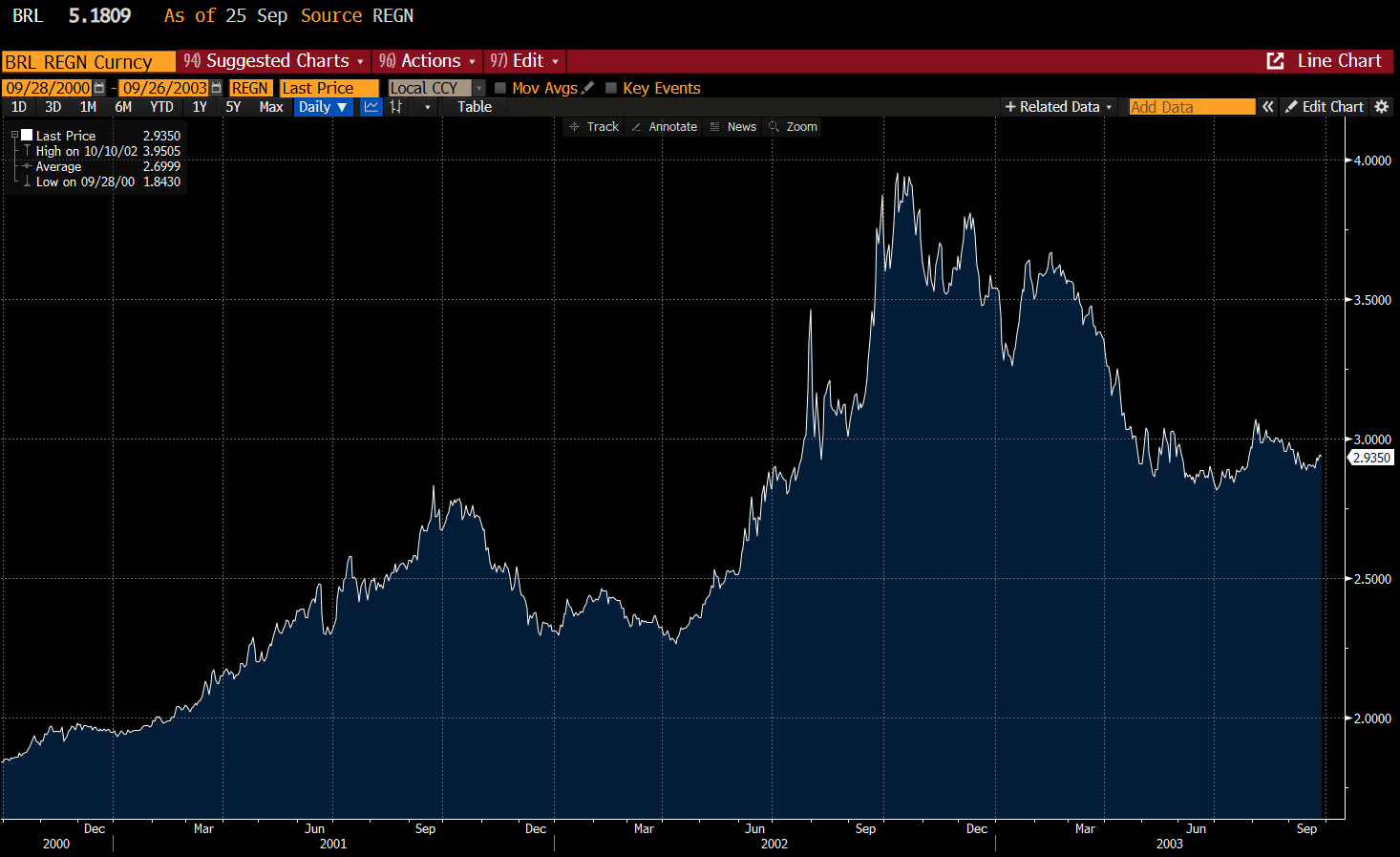
I don’t deny that financial repression is a very real possibility. But I think this “macro” analysis misses the real purpose of bond markets. And what is this purpose I hear you ask? I am almost certain that sovereign bond markets exist to discipline left wing politicians. This has been clear in emerging markets for decades. When Lula was first elected President in 2002, the Brazilian Real tanked, and bond yields soared until he committed to even tighter fiscal targets. 1 year swap rates went from 30% to 60%
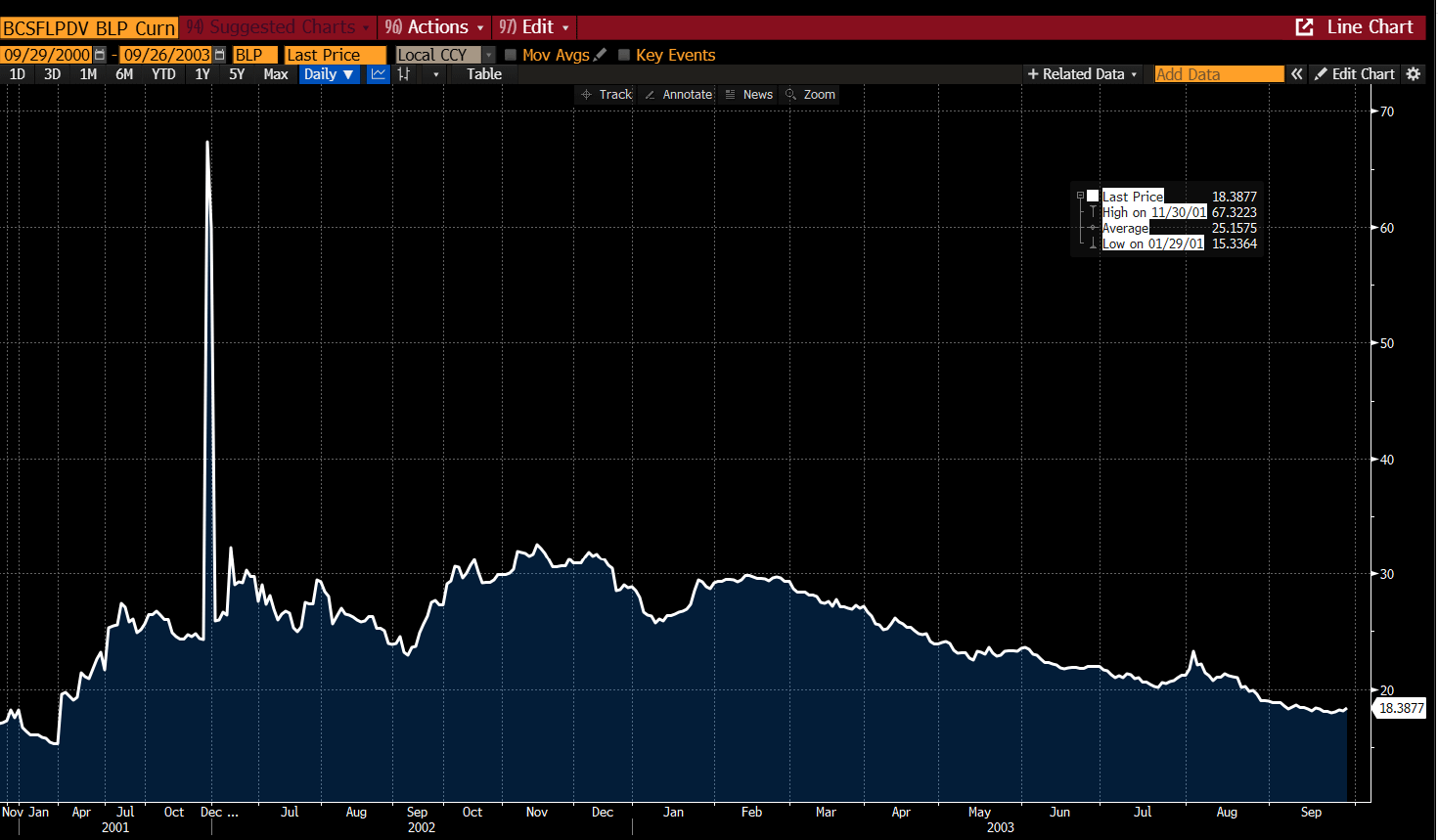
The Brazilian Real lost 50% of its value.
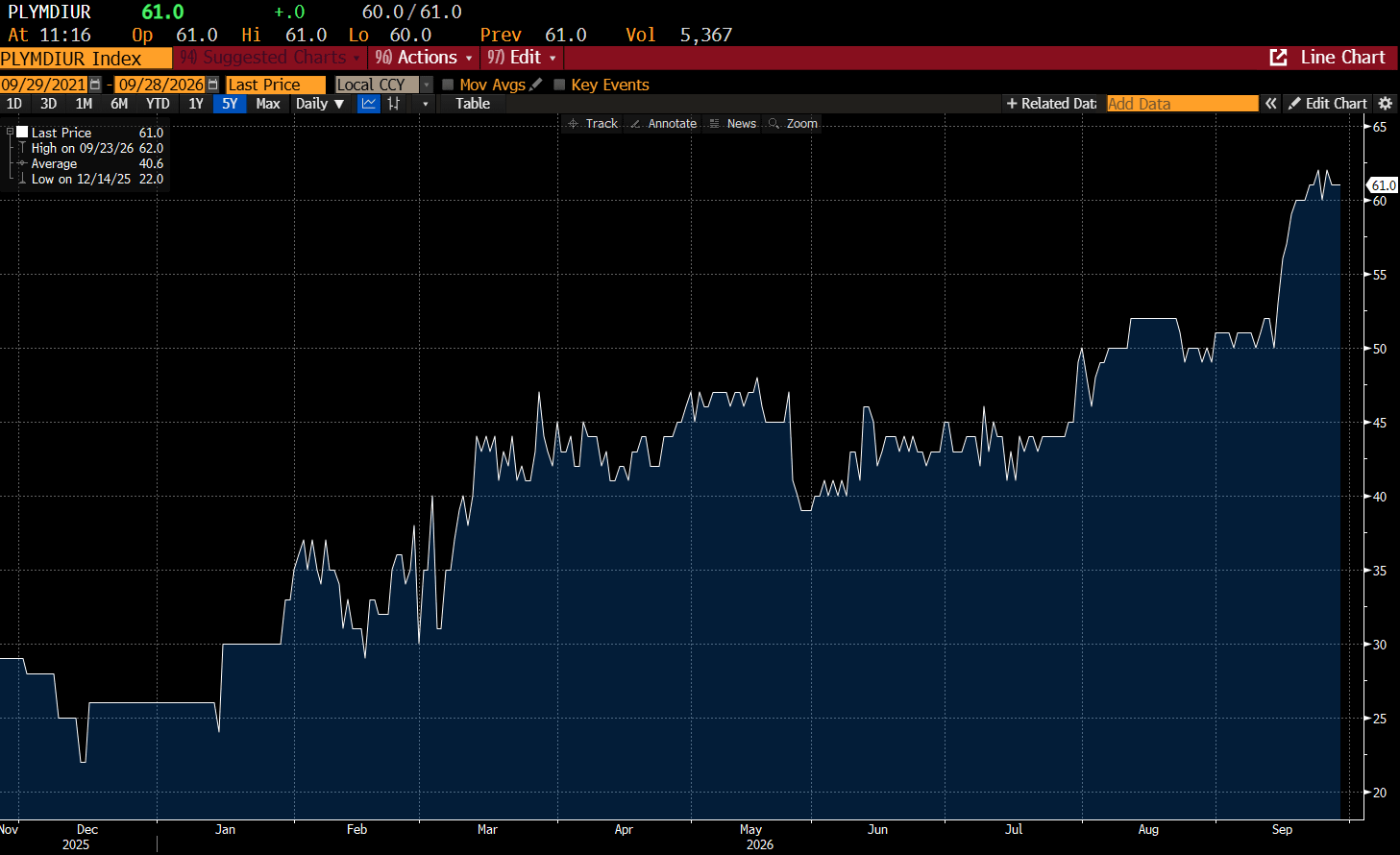
What has been the political transformation that has led to bond markets being weak? Well, the Washington Consensus, of free markets and balance budgets began to fray back in 2000. If you think we had Ronald Reagan, George HW Bush, Bill Clinton were all relatively serious politicians. But at a certain point, the Republicans could no longer win elections by appealing to business minded Americans, and started to reach out to “other communities”. George W Bush, was noticeably different in style and substance to previous Republican presidents. Both John McCain and Mitt Romney were throwbacks to older Republican politicians, and both lost to Obama. You should also note that John McCain nominated Sarah Palin as Vice-President - again reaching out to “other communities”. It took President Trump to break the mould. While the traditional pitch for Republican was to cut taxes and entitlements, Trump has ditched the unpopular part of that offering, and now cuts taxes and increases entitlements. This leaves bond markets in a tricky place. They know the policy is inflationary, but they also know that a debt crisis that forces out Trump would mean a likely replacement by a more left wing politician? What to do? I think the obvious answer, and one that is part of the “starve the beast” thinking of the Republicans, is to wait until left wing politicians are in charge, AND then have a debt crisis. Here is the Polymarket odds of the Democrats winning the Texas Senate seat (Texas!). Remind you of anything?
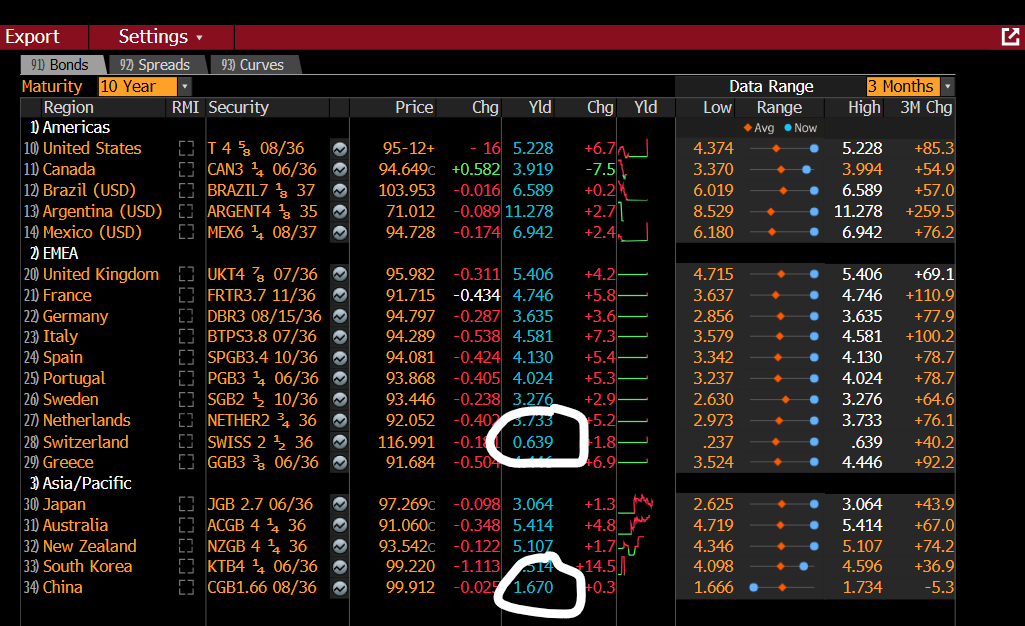
Around the world, the traditional right wing parties are under siege, and are either transforming themselves, or at threat of being wiped out. And hence bond markets are behaving as they should. Yields reflect the sensibilities of policy making or the ability of governments to resist populist movements. In that interpretation, only Switzerland and China can seemingly resist. Politically, this makes sense to me.
As a final note, I had a chat with George Noble about being on his podcast in a few weeks. And he mentioned something that I had forgotten. I said to George, I like to always have two sides of a trade, just to hedge against political changes. But in my experience, investors always look at my ideas, and stick with the ones that are working. GLD/TLT is a perfect example of this. GLD/TLT has been volatile this year, but it is up for the year.
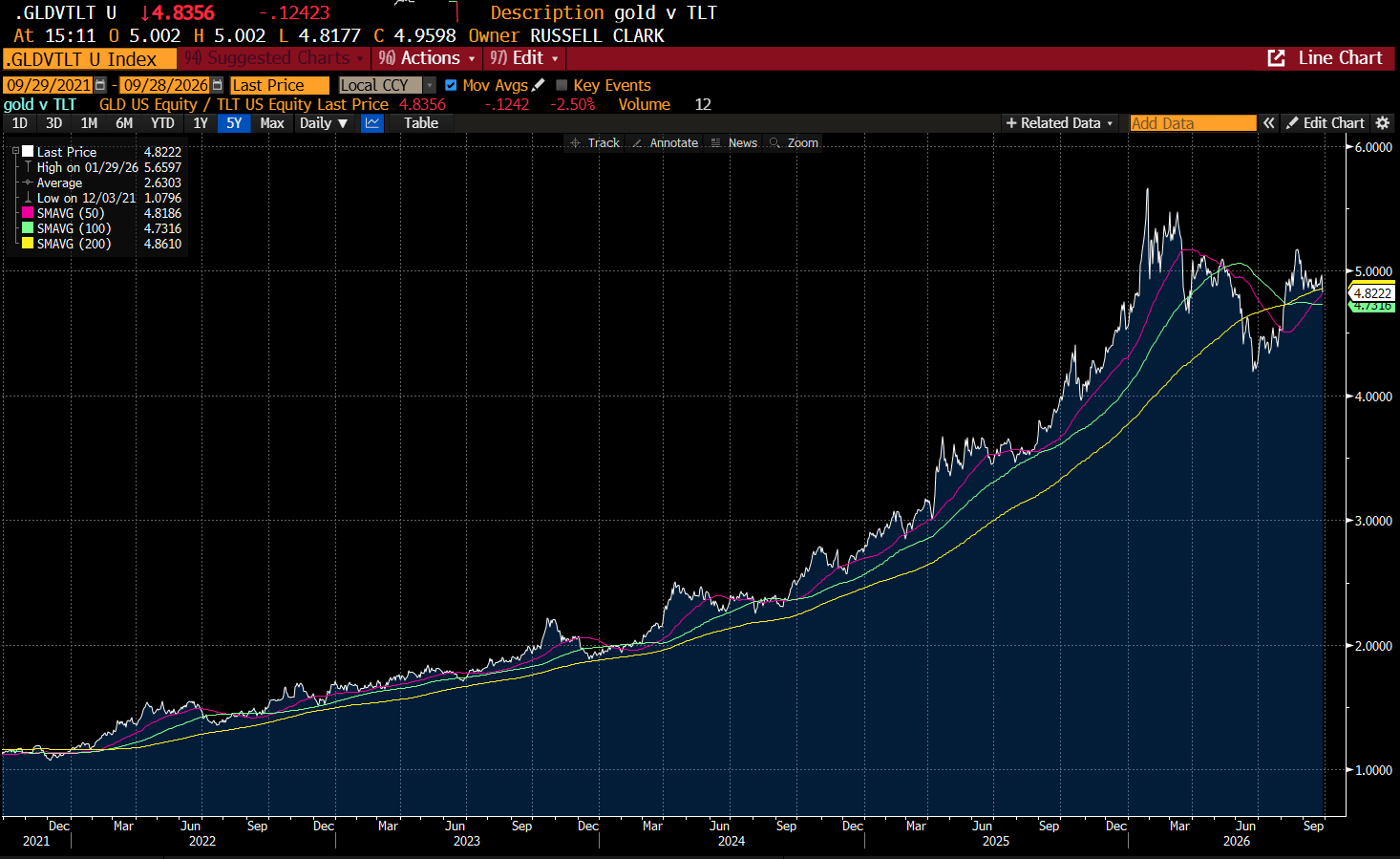
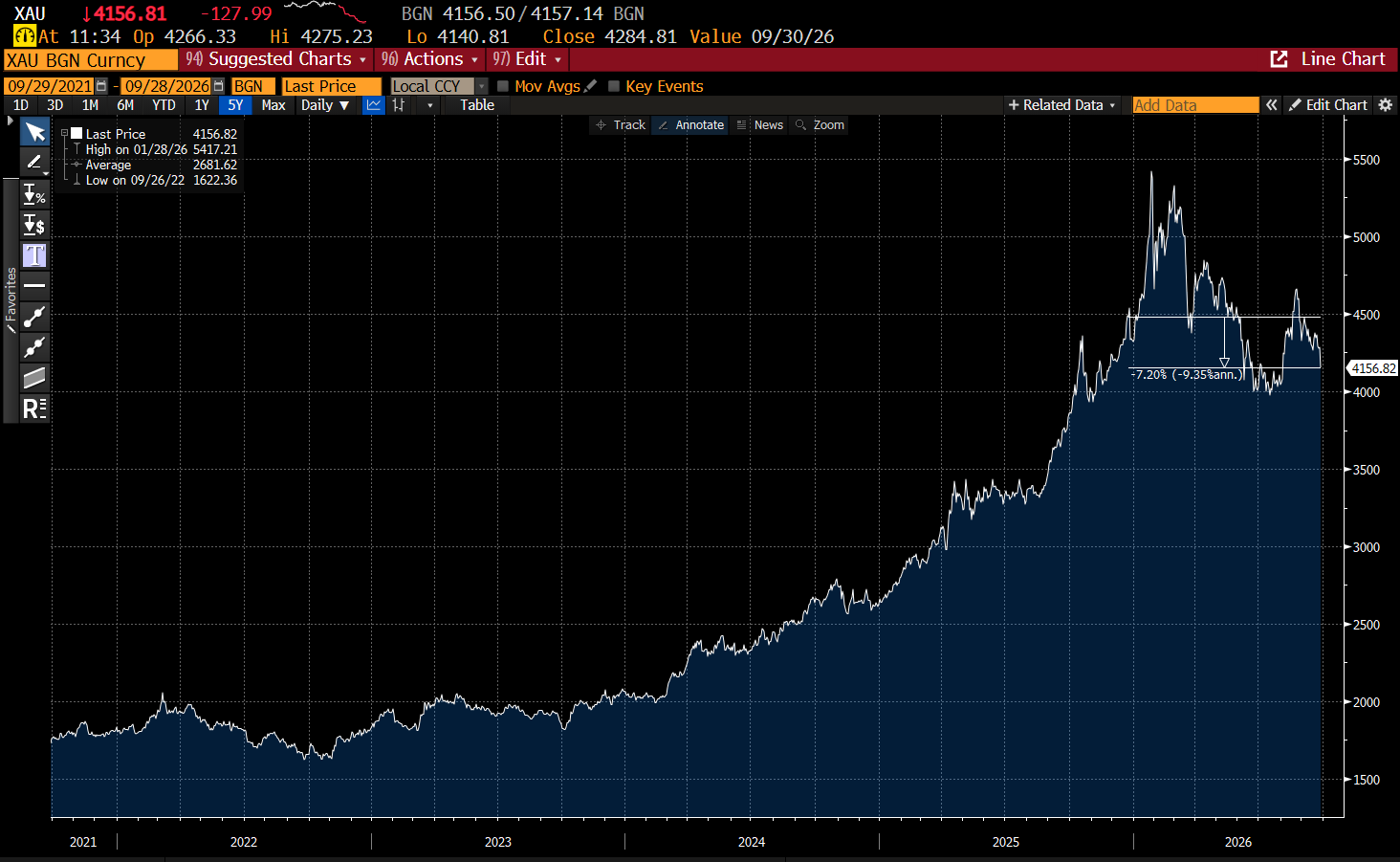
But in 2024 and 2025, it was the GLD part of the trade that worked. This year, gold is down year to date. I suspect many people just stuck with the GLD side of this trade - certainly that’s what I see in the “macro” community on Substack.
This is why I downgraded “macro” analysis in my approach - it is too black and white - and does not allow for politics. For me, there is a yield where US treasuries becomes attractive again. That yield is when it forces all sides of politics to be sensible. We are not at that yield yet. GLD/TLT still looks good to me.


