

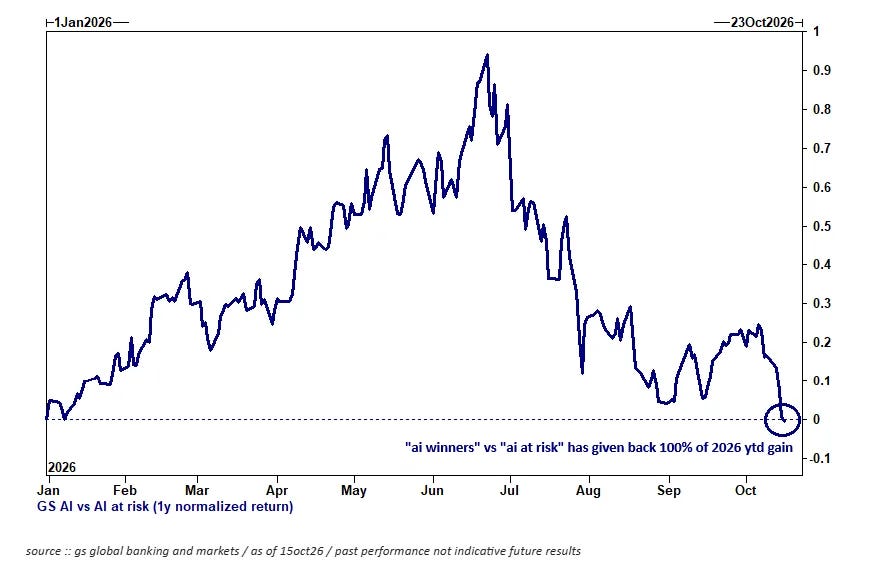
While I do believe you should never start with the idea that “equities are wrong”, when I see the performance of AI hardware against software companies this year I do laugh. Was it really only June when all software stocks were toast, and you HAD to be in hardware stocks? This trade has roundtripped.
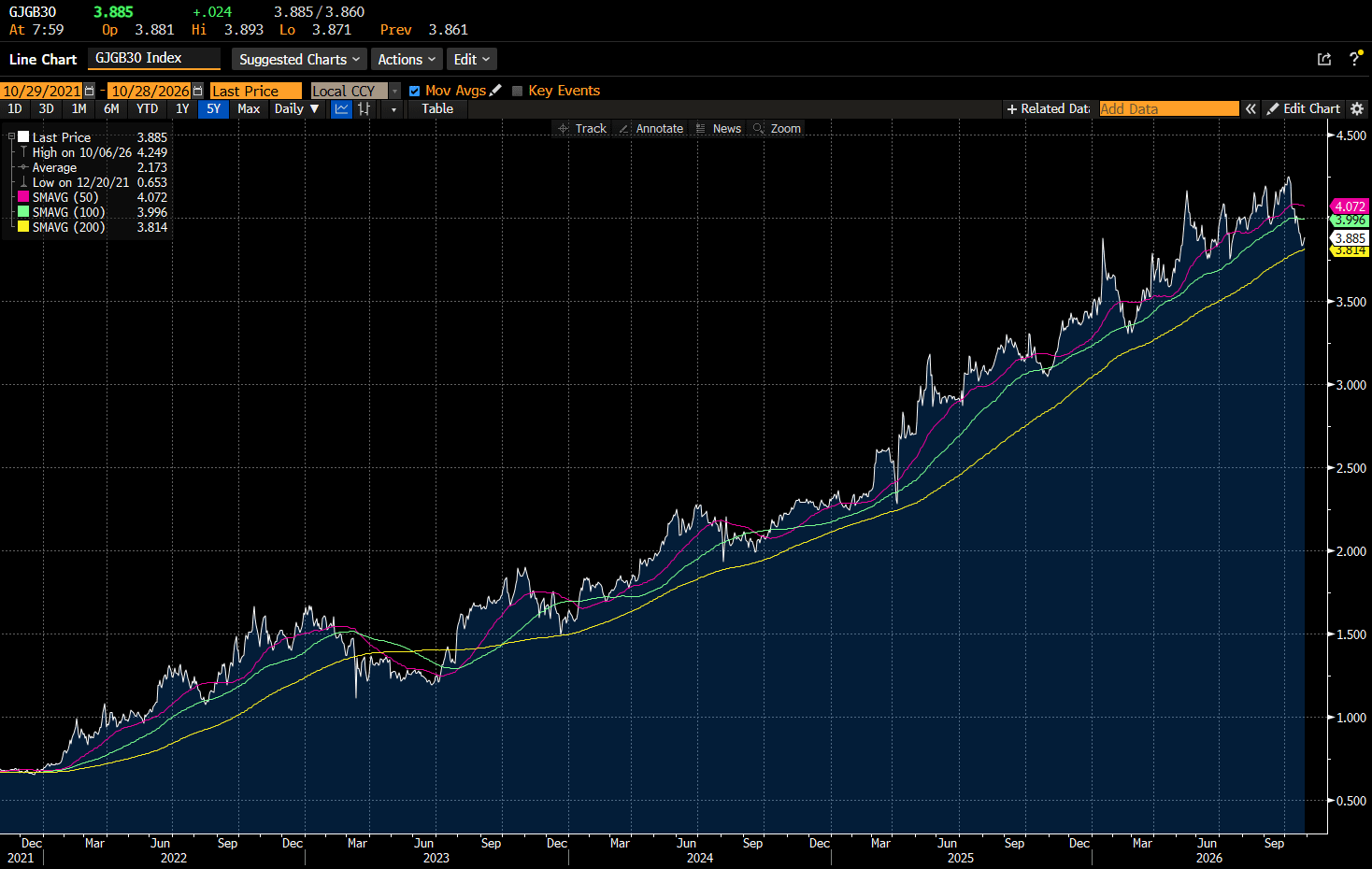
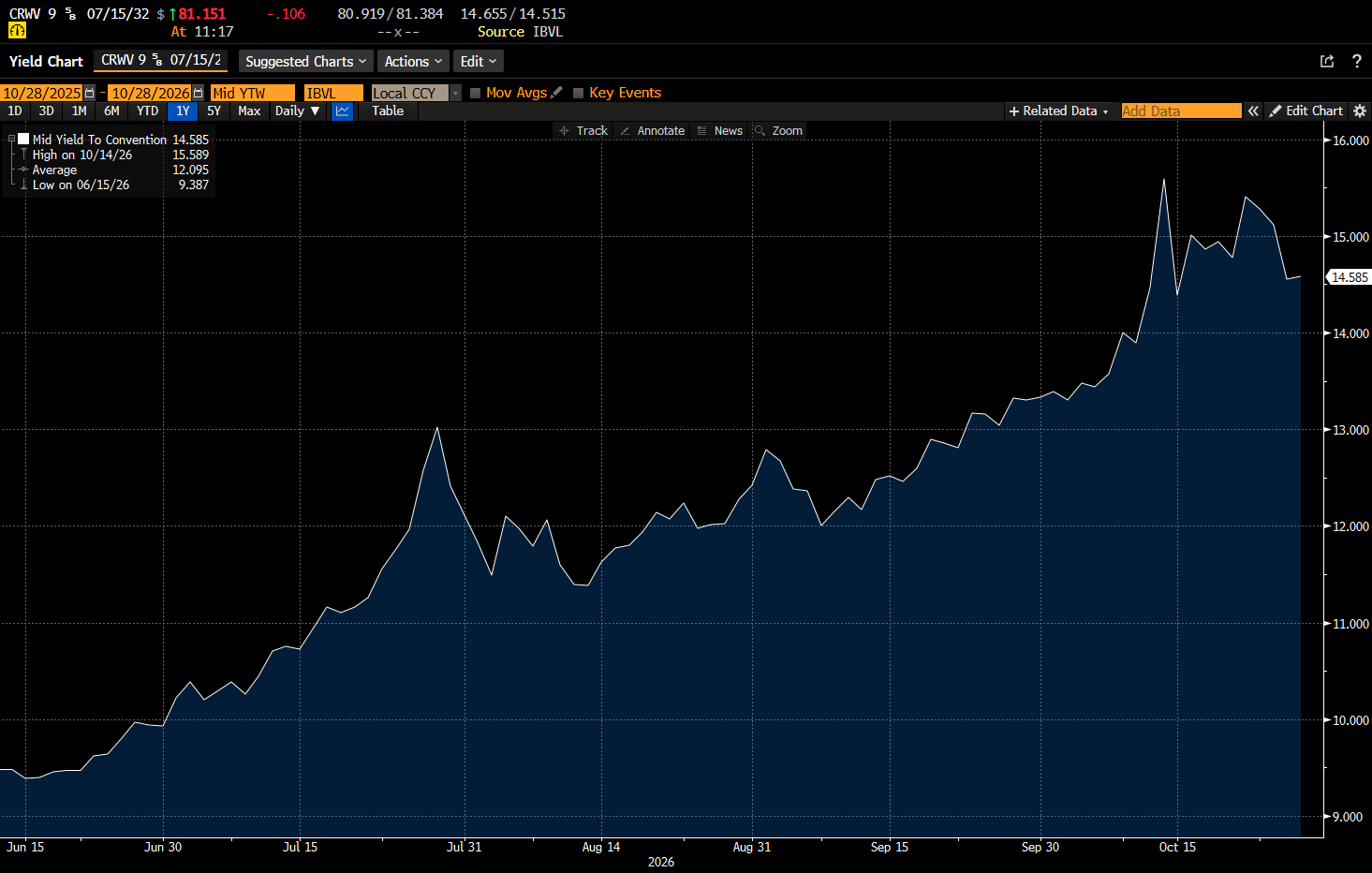
I did find this amusing, until suddenly this month, the bond markets started to think the travails of Coreweave and other AI stocks was a deflationary event. Japanese 30 year yields fell nearly 40bp this month, and back to trend line.
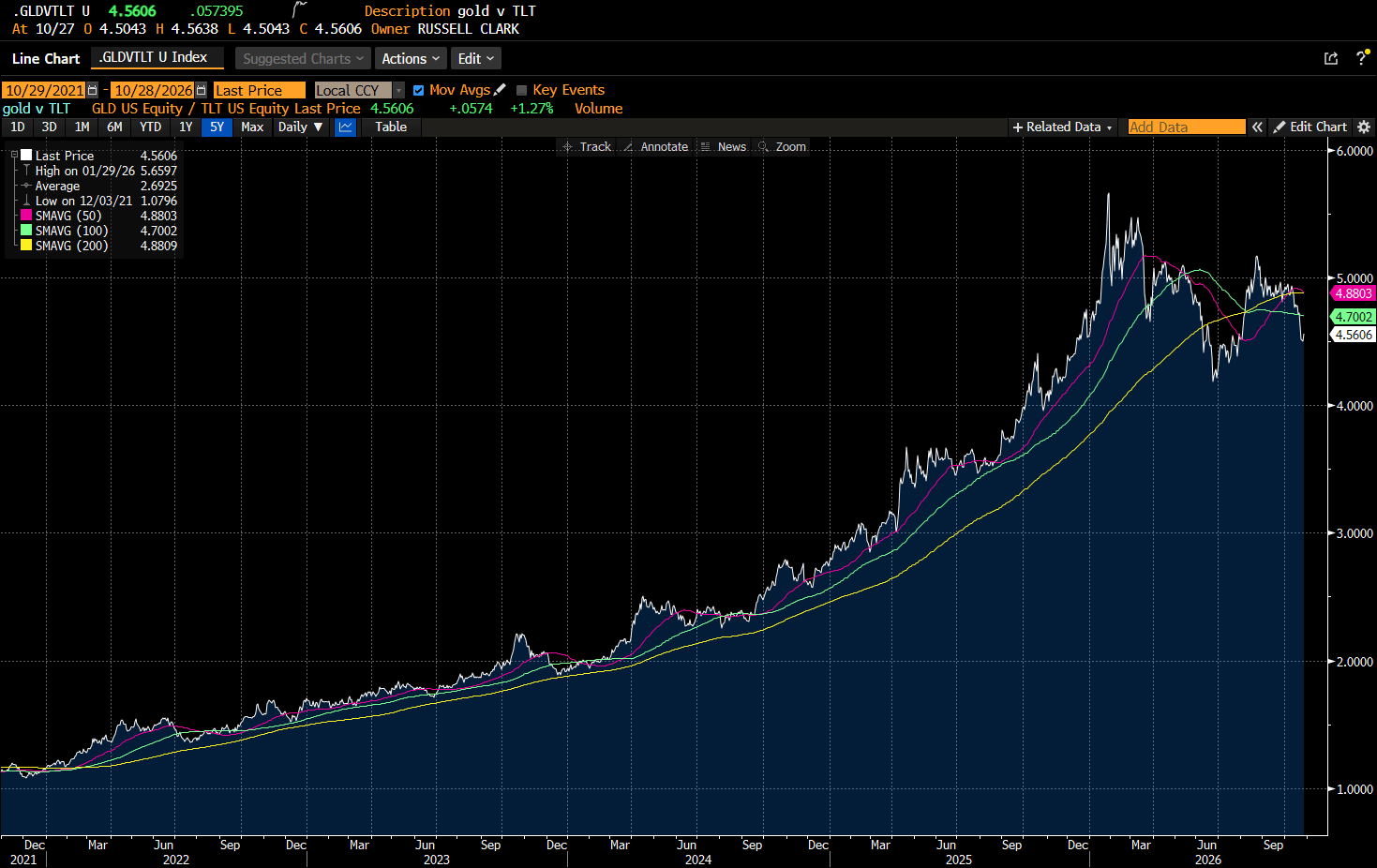
Even more disturbing is GLD/TLT moved lower. Or yields fell, and gold fell. This is not the plan.
So could AI be deflationary? Well I will answer that question in a second, but I just want to point out how 100% inflationary politics remains. Lula won in Brazil by offering free handouts to voters. The French are rioting over underfunding of schools, and poorly conceived War in Iran has metasized into a messy regional war. Donald Trump offers USD 5,000 for voters in the mid-terms, and the Democrats are pondering tax cuts for middle and lower classes. Oil and natural gas prices are rising, as are semiconductor and copper prices. But despite all this, the travails of Coreweave make investors think deflation is more likely? Okay…..
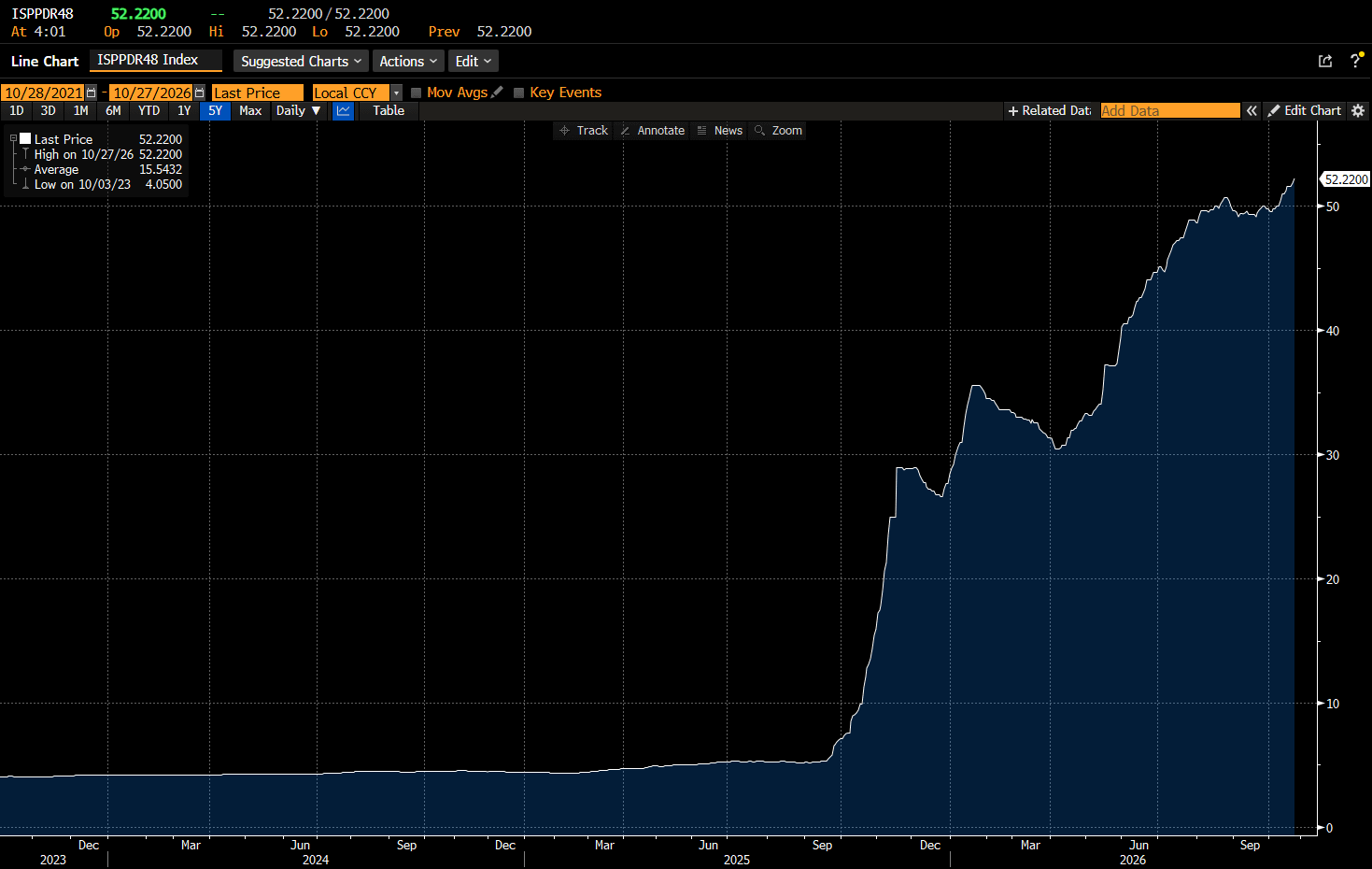
So lets talk about inflation and AI. A bit hard to get deflationary as DRAM prices punch to new highs.
Also Coreweave is not struggling because its core business is getting squeezed, its is struggling because it wants to invest even more. This is fundamentally different from the failure of Lehman, or Bear Sterns, or even a Worldcom back in the day. All of those companies pricing for their assets fall. We are not seeing that with Coreweave. What we are seeing is existing capital suppliers worried that new capital raise is going to dilute them (my read anyway). We saw something similar with Silicon Valley Bank, which failed for financing reasons not asset reasons. This is completely in-line with my view of a market that is moving to a dearth of capital, from excess capital.
I had seen the AI boom as something like a capital war, or an arms race, where everyone is trying to bankrupt everyone else. This meant there was a risk that someone might “get rational” and the whole show ends. But I did read the Anthropic prospectus, and was really taken with their adherence to “scaling laws”. What is a scaling law? Basically, the more compute the better the system. So if you want to have a great AI, you need to throw a tonne of money at it - and the more the better. I have heard this before, but was sceptical - and particularly when Deepseek was launched. This seemed to prove the opposite, but since DeepSeek, the hyperscalers have ramped up capex. That is the Anthropic scaling law prediction seems to have been borne out.
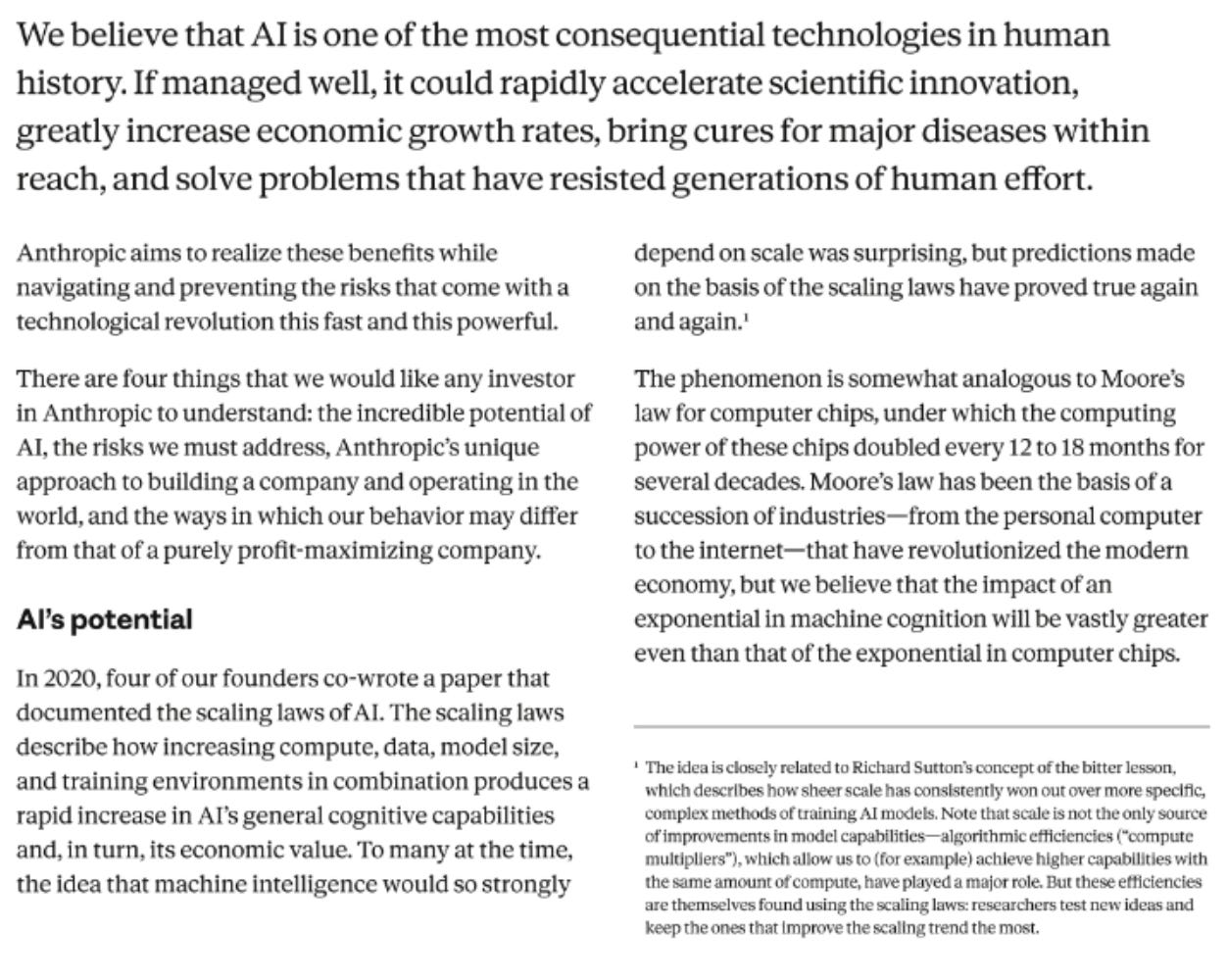
In other words, bigger is always better, and clever is not that much better. This is very different to how most industries operate. Typically, once a product has been invented and developed, later entrants can replicate at lower cost. Its the whole points of patents and intellectual property to stop this happening. But the implication here, is ONLY the biggest spender can have the best AI. We can see that Anthropic has convinced the other hyperscalers of this.
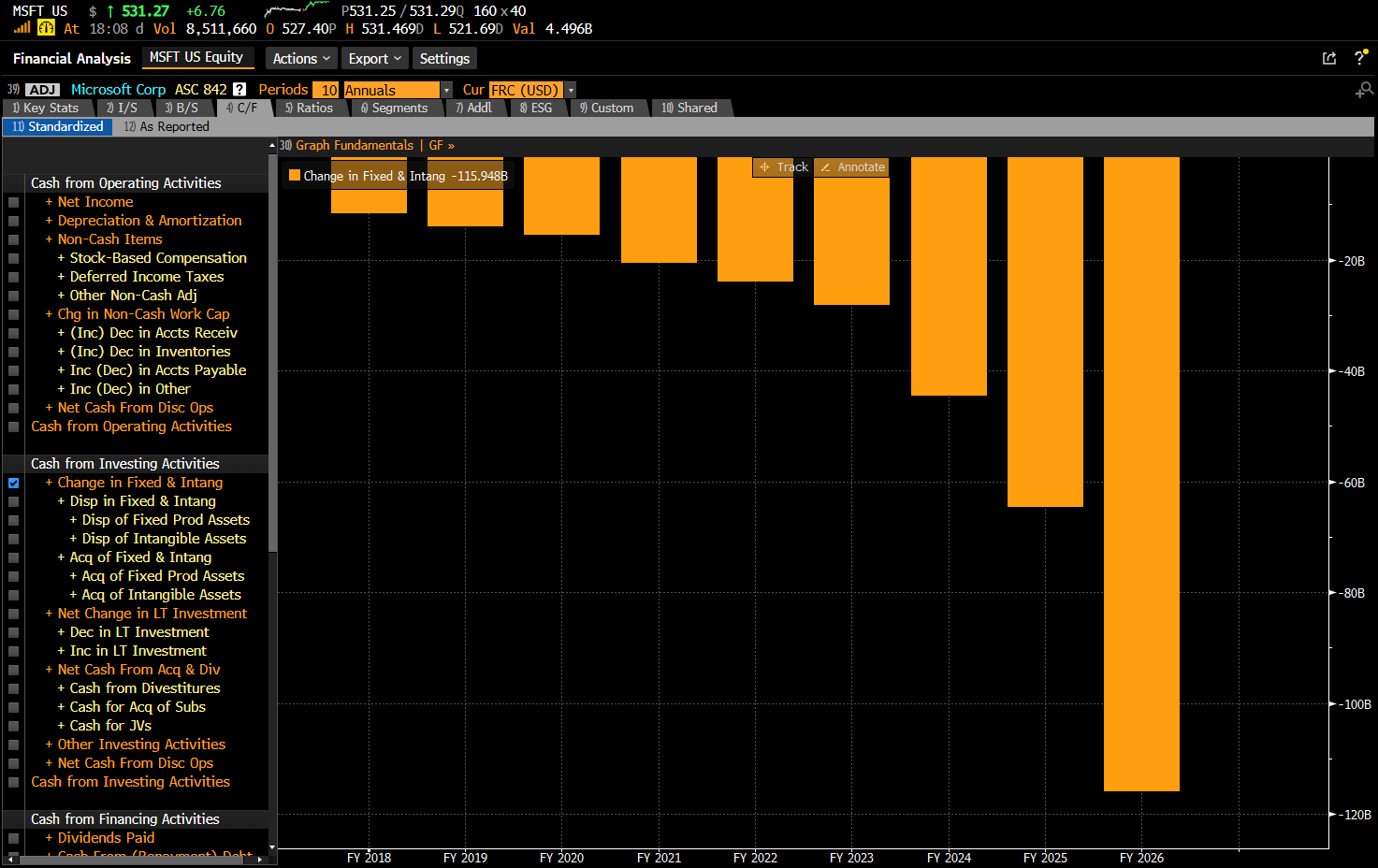
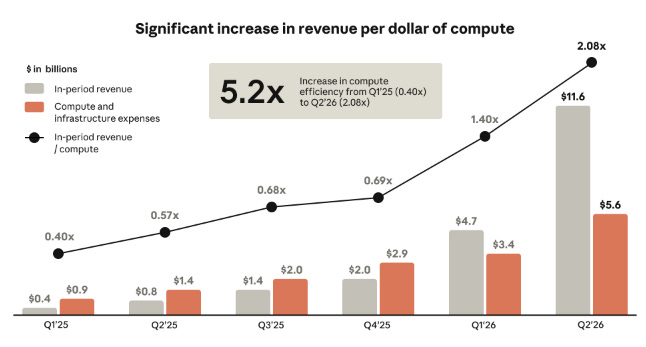
So when Deepseek came out, this was an attack on the scaling laws, as it was put together much cheaper than ChatGPT or OpenAI models - but Anthropic in essence saying, who ever spends the most WILL have the best model. It implies that the biggest spenders CANNOT be undercut by cheaper versions, as they will not have spent enough. This means it is a capital war, not a price war, but not driven by ego, or competition, but by the nature of the LLM model. This does seem wild, but Mark Zuckerberg, Elon Musk and the entire IT industry believes it, so who am I to argue. This does imply a winner takes all industry ultimately, so the capex makes sense from that perspective. This is in line with my original thoughts. The issue the market was concerned with was how much longer would it have to fund AI. But Anthropic’s quarterly data seems to imply that it can now generate more revenue than it spends on compute - which is incredibly bullish. It implies is has the revenue to keep investing to have the best model, and become potentially self financing. Of course its raising funds to invest even more heavily - but as proof of model its very bullish.
I CAN make a bear case of Anthropic, but it is tenuous. I see loads of new AI models and LLMs being released all the time. And this training requires a large amount of compute. It could be possible that the revenue growth for Anthropic and OpenAI is totally or largely reliant on other model makers. The bear case would be, as Anthropic and probably OpenAI come to dominate, eventually all the other model makers give up, and suddenly compute demand falls off a cliff. This could be possible - certainly I seem to have a lot of different AI models I can use now - ChatGPT (which I pay for), Grok, Co-Pilot and even a Bloomberg version now. This is a risk - but one I find hard to see. Instead, we see Meta launch Muse, and the next thing we see if Meta wants to issue USD 100bn in equity. For this bear case to hold water requires the suddenly pulling of capital for LLM training and model making, something has has nothing do with Coreweave.
What I see in DRAM, Coreweave, corporate bond markets, copper and oil, is an age of supply constraint. What this really needs is for governments to cut spending aggressively. I see no political chance of that happening BEFORE a debt crisis. France is talking about it now, but the crisis needs to happen first. More likely is spending and taxation goes up - and my guess wealth taxes are coming. Why wealth taxes? That is where the money is.
Does the AI trade recover? Maybe. Do precious metals go higher? Maybe. Do yields go higher? And Maybe. But I do know inflation is going higher - and how governments react to it, will determine what these various assets do. All I know is which of these assets will do relatively better in a rising inflation environment.


