
The Economist happened to be hosting a conference on “Commercialising Quantum Global” at a venue that was about seven stops down the tube line for me - so I decided to pop along. When I started in markets from 2000 onwards, I learnt that tech and pharma stocks were the most unpredictable of investments, so generally avoided them if I could. The last ten years has shown that is not a viable option anymore, although there are plenty of tech and pharma stocks that have disappointed, the AI trade has made almost everything (utilities, power generation equipment, interest rate outlook?) a tech trade, so you are basically now forced to have a view on tech. With this knowledge, I thought I should see what was going on in quantum computing.
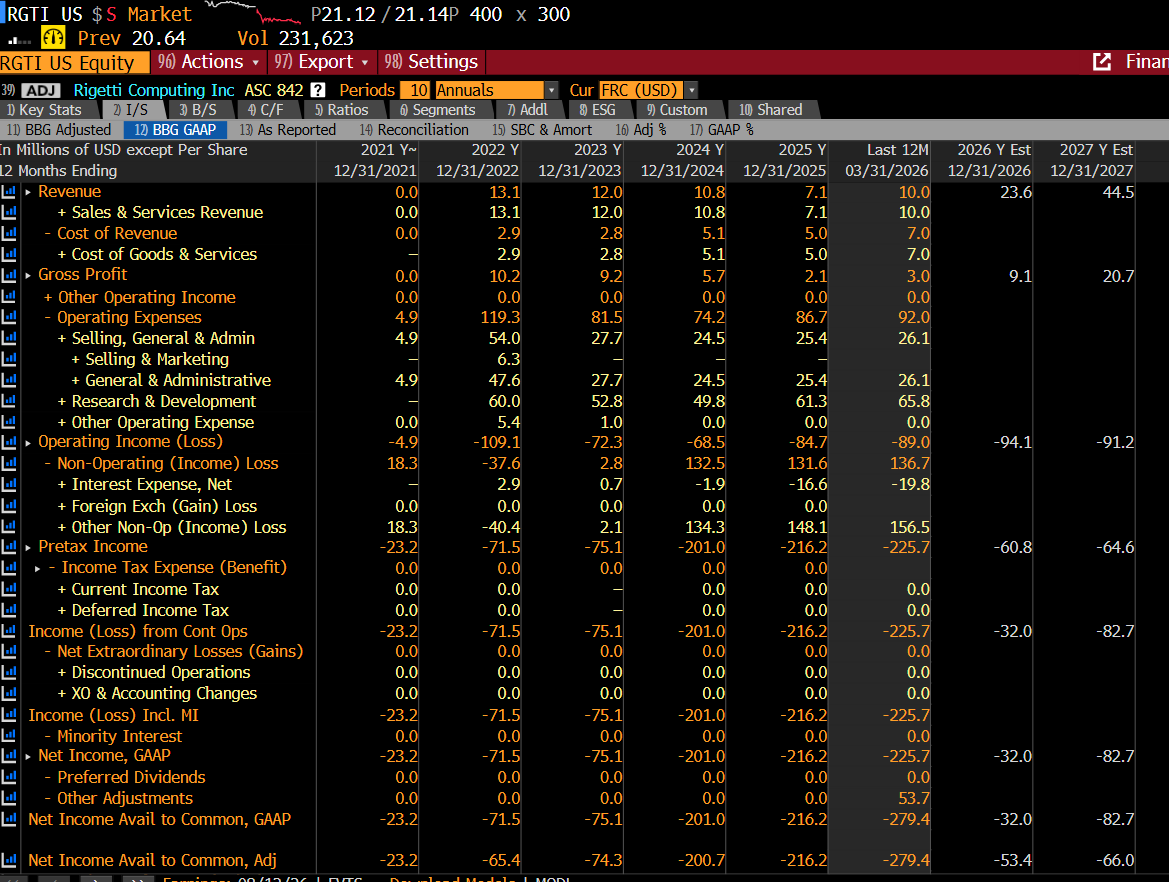
If you have followed quantum computing, then you should know that there is no mass commercialisation as of yet. Most listed companies can almost be called “pre-revenue”. Rigetti Computing which has been listed since 2021 has USD 10m or revenue in last twelve months, but has a market cap of USD 7bn (the Rigetti CEO was at this conference).
The conference was very hyped. There was a speech from the UK Minister for Science, Innovation, Research and Nuclear, Patrick Vallance, as well as former leader of the opposition, William Hague. Many of the presenters were very excited about the progress that quantum computing had made, and talked at length about the developments. But what was probably the biggest driver of excitement, or at least to me, was that both the UK government and the US government were becoming heavy investors into the quantum area. Most notable was that the UK government was very keen to not only develop the technology, but keep the technology in the UK. Plainly, they did not want to see a repeat of DeepMind being sold to Google, or ARM being sold to Softbank. The quid pro quo here was that the UK government funds you know at a high valuation, and you keep the technology in the UK. Plainly this is in response to the UK and Europe feeling left behind in the AI race, and making sure this does not happen again. In theory this is great news for the UK. In practice, when they laid out the seven areas of quantum computing they are supporting and the companies they are funding, the majority are already American owned. See below.
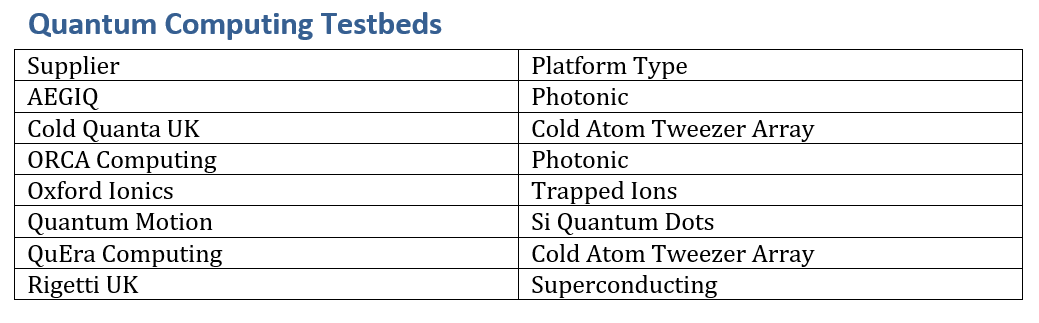
Rigetti we have already talked about and is US listed. Cold Quanta is owned by Infleqtion, and is a relatively new listing in the US, Oxford Ionics is owned by US listed IONQ, and QuEra also a US company with no listing. This leave Orca Computing, Quantum Motion and Aegiq as the three UK owned company as UK’s best hope. The problem for the UK is that the US has a similar strategy, but invests far more. Infleqtion and Rigetti managing to get money from both the UK and the US governments.
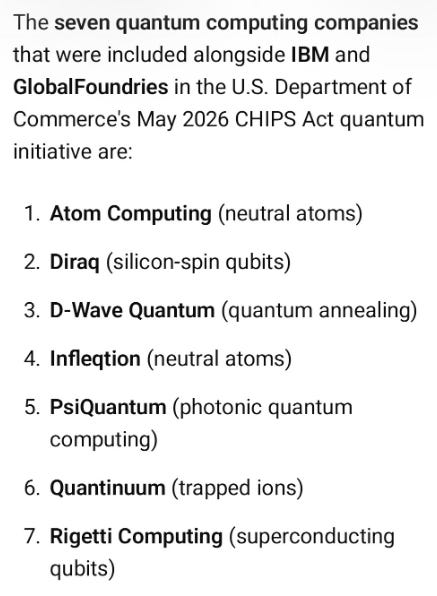
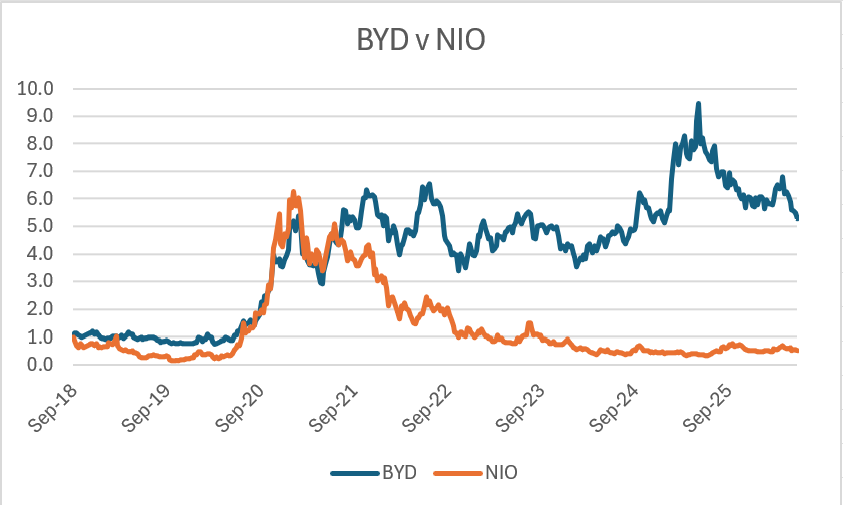
Government investment is the bull story. The bear story, was that through out all the presentations, the commercialisation story remained pretty weak. As can be seen above - there remains different possible options to making quantum computing work. And most of the chat was that in the end two or three platforms will survive. The main viable end use was mapping molecules (so biopharma) and cryptology. There was some talk of cloud computing - but this was always in cooperating with existing technologies, and with the idea of helping reduce or optimise the computing load. That is the excitement comes from government investment, rather than commercial logic. I was reminded very much of the Chinese government approach to investment - choosing an area, flooding it with money, and hoping for success. If we take electric vehicles, and area that the Chinese government has favoured - in the first stage everyone wins, but after that, with excess competition, returns are much more muted.
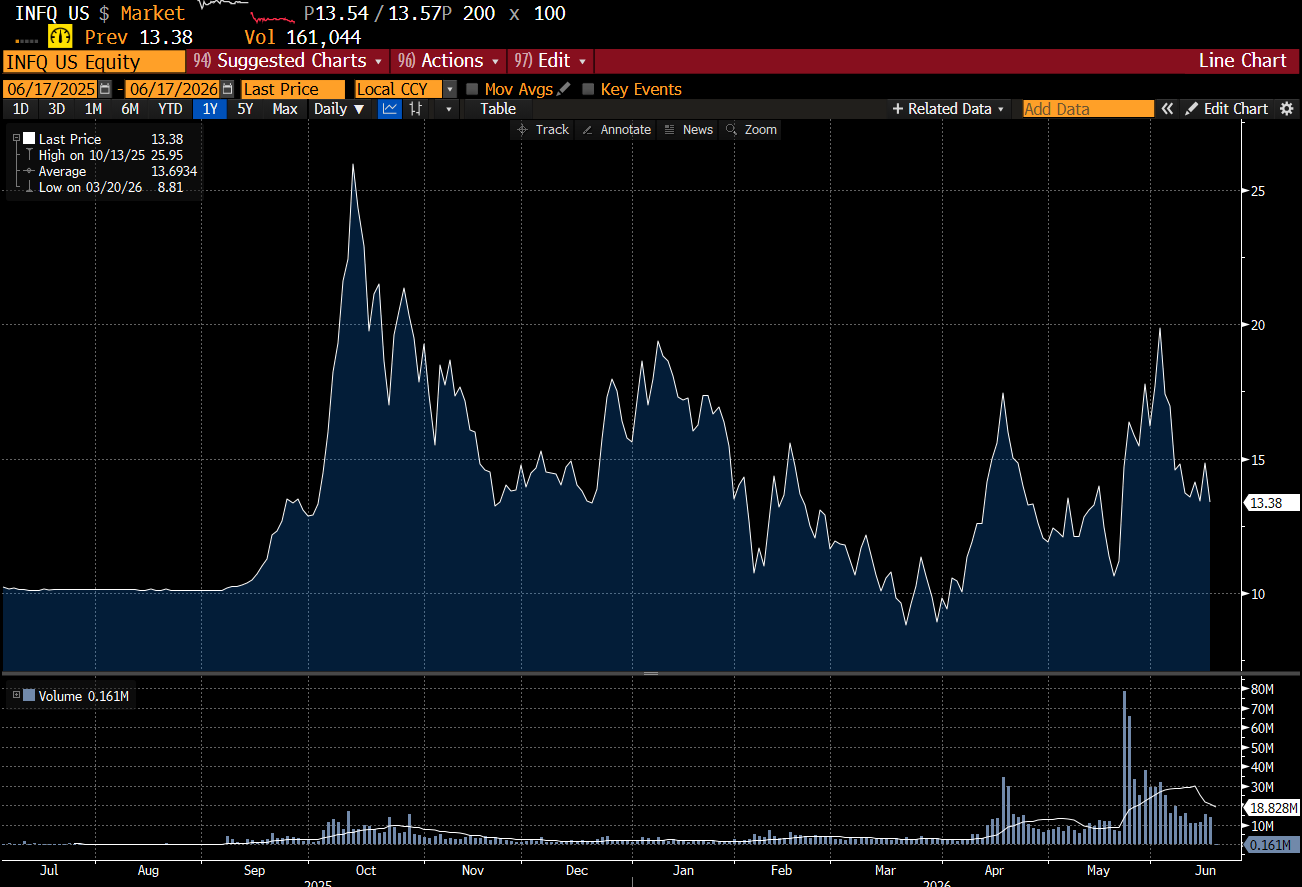
Obviously, we are still in the bull market era of western governments intervening in markets. When that ends, I am not sure. Maybe today, maybe tomorrow, maybe in 10 years. I will write another post on that. If you are looking to “speculate” in quantum, then Infleqtion could be interesting. As noted about, they have capital from both the UK and US governments, and have already shipped various sensing equipment. It has produced quantum clocks can act as alternatives to GPS, which is increasingly being blocked in Russia and elsewhere. It can also be used in submarines. So government money and already shipping product is a plus. On the negative side, they listed last year via a SPAC - which is a red flag. Their CEO is a former venture capitalist, Matt Kinsella, which is either a red flag or green flag. Red flag in so far he is looking to monetise quantum hype, or green flag in that he had decided to join the most promising quantum firm he could find. On the positive side, all that fund raising means the firm is sitting on USD 500m cash balance against its current valuation of USD3bn, and sales of USD 40m.
What would be bullish development in quantum? Well it would be if the uses of quantum computing could be generalised. And as yet there is no sign of that. But just like with GPUs, which were initialised developed to play video games, it may take a while to find an end usage. Personal, I think you can sit and wait.


